1. Why Stain Removal Mistakes That Ruin Clothes Happen So Often
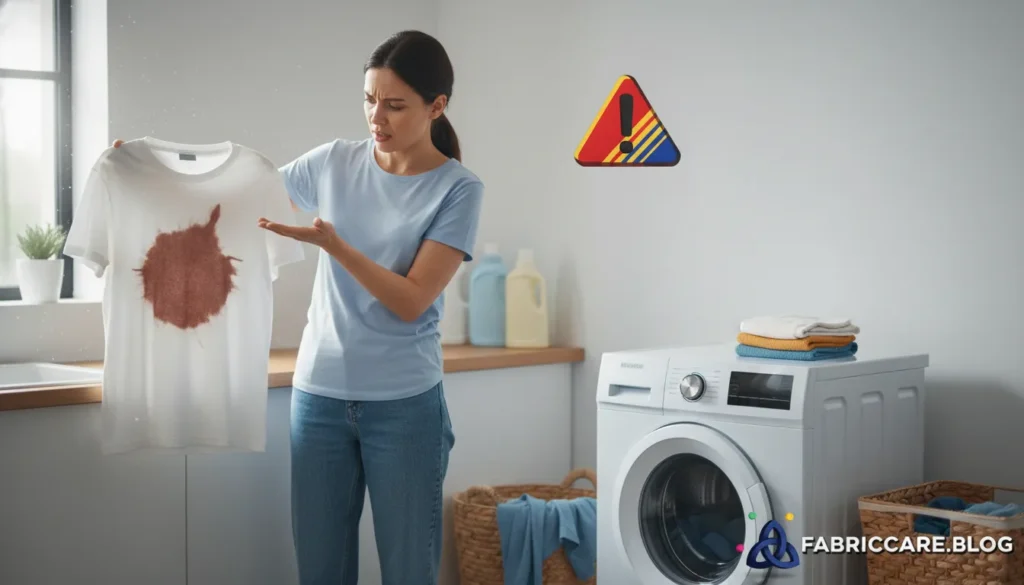
Stain removal mistakes that ruin clothes are far more common than most people realize, and they usually don’t happen because someone is careless or uninformed. They happen because stain removal is often treated as an emergency instead of a decision-making process. When urgency replaces judgment, predictable errors follow.
Most people encounter stains at inconvenient moments. You’re in a rush, the garment is already in the laundry pile, or the stain appears right before washing. In these situations, the instinct is to “do something now.” That instinct leads to scrubbing, heat, and product overload — the exact combination that damages fabric while locking stains in place.
Another reason these mistakes are so common is misleading advice. Many stain-removal tips focus on speed and strength rather than risk and preservation. Phrases like “act fast,” “use hot water,” or “apply a stronger remover” sound helpful, but they ignore fabric limits. Over time, people internalize the idea that effort equals success, even when the effort is destructive.
There is also a misunderstanding about what success looks like. If the stain fades, the method is considered correct, even if the fabric becomes thinner, rougher, or discolored later. This delayed damage hides the true cost of poor stain removal habits. By the time the garment fails, the original mistake is forgotten.
Habit plays a major role. Laundry routines are repeated weekly, sometimes daily. Small errors — slightly too much detergent, warm water instead of cold, one extra scrub — compound over time. Fabric damage is cumulative, and stain removal is one of the main contributors. Textile care data consistently shows that cleaning behavior weakens garments more than normal wear.
Another overlooked factor is confidence without clarity. Many people know some stain advice but don’t know when it applies. They reuse the same method for every stain, fabric, and situation. This one-size-fits-all approach is at the core of most stain removal mistakes that ruin clothes.
The key issue is not lack of tools or products. It is lack of a decision framework. Without clear rules for timing, fabric type, and stopping points, people rely on instinct. Instinct favors action over restraint, which is exactly what fabric does not tolerate.
Understanding why these mistakes happen is the first step toward preventing them. Once you see that damage comes from predictable behaviors — not bad luck — you can replace urgency with structure. In the next section, we’ll examine the first major mistake: treating every stain the same way, and why this habit quietly destroys clothes over time.
2. Treating Every Stain the Same Way
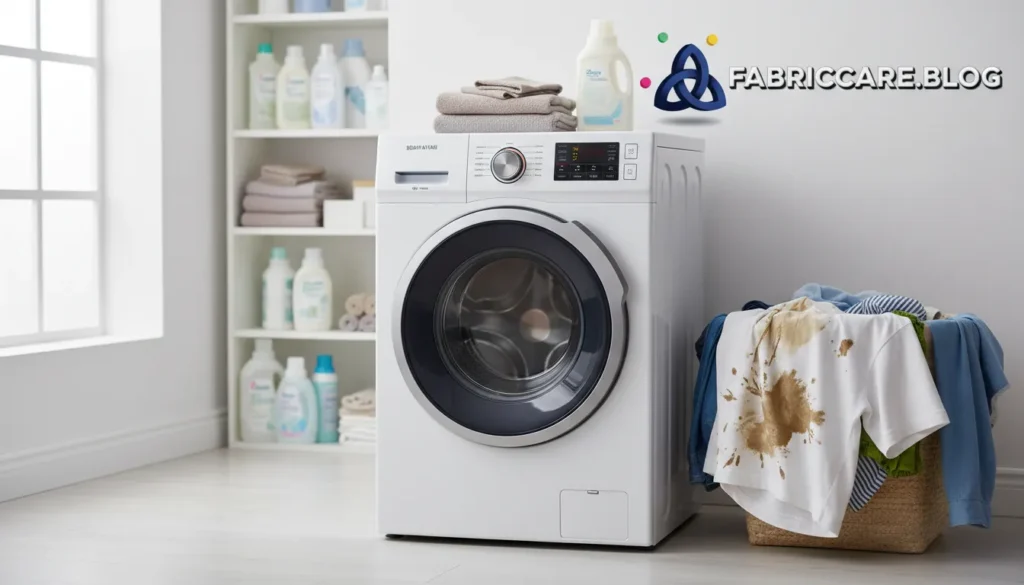
Stain removal mistakes that ruin clothes often begin with one deeply ingrained habit: treating every stain the same way. This approach feels efficient. You find a method that seems to work once, and you reuse it for every spill, mark, or discoloration. The problem is that stains differ in composition, and fabrics differ in tolerance. When one method is applied universally, damage becomes predictable.
The core issue is simplification. Many stains look similar on the surface, but they behave very differently once water, heat, friction, or products are introduced. Protein-based stains react poorly to heat, oil-based stains spread when water is added too early, and dye-based stains can bond permanently with a single wrong step. Using one “go-to” method ignores these differences and increases the chance of setting stains or weakening fibers.
This habit is reinforced by partial success. A stain may fade, giving the impression that the method was correct, even if the fabric becomes thinner, rougher, or discolored later. Over time, this creates confidence in a damaging routine. The garment survives a few cycles, then fails prematurely, and the connection between method and damage is rarely made.
Fabric type compounds the problem. A technique that works on durable cotton can permanently distort silk or felt wool. Synthetic fabrics may resist absorption but react badly to heat or strong chemicals. Treating every stain the same way assumes fabrics are passive, when in reality they respond actively to stress.
One-method-for-all risk table
Why this table exists:
This table shows why a single stain-removal method creates different types of damage depending on stain and fabric behavior.
| Stain Type | What Happens With a Generic Method | Resulting Damage |
|---|---|---|
| Protein-based | Heat causes bonding | Permanent setting |
| Oil-based | Water spreads residue | Larger stain area |
| Dye-based | Chemicals fix color | Irreversible marks |
| Mixed stains | Partial removal only | Reappearing stains |
How to use this table:
If your routine does not change based on stain type, the risk of long-term damage is already high.
The key takeaway is that treating every stain the same way trades short-term convenience for long-term loss. Effective stain care starts with classification, not repetition. Once you accept that different stains require different decisions, you stop repeating the same mistake that quietly ruins clothes over time.
You have not enough Humanizer words left. Upgrade your Surfer plan.
3. Using Heat Too Early During Stain Removal
Stain removal mistakes that ruin clothes frequently involve heat being introduced too early. Heat feels like a shortcut because it makes fabrics look cleaner faster, but in stain removal, heat is a commitment. Once it is applied, many stains stop being removable and start behaving as if they are part of the fabric.
The problem is not just hot water. Dryers, irons, steam, and even warm wash cycles can trigger the same effect. Heat accelerates chemical bonding between stain components and fibers. Proteins coagulate, dyes migrate and lock in place, and oils oxidize. When this happens, the stain becomes harder to remove while the fabric itself becomes weaker.
Protein-based stains are the most vulnerable. Sweat, blood, dairy, and food residues react aggressively to heat. When exposed too soon, proteins bind tightly to fibers in a process similar to cooking. Textile care data consistently shows that early heat exposure can reduce successful removal rates by more than 50 percent while increasing long-term fabric wear.
Heat also masks problems. A stain may appear lighter after washing, leading people to assume it is gone. The dryer then finalizes the bond, and the stain reappears permanently once the garment cools. This sequence is one of the most common paths to irreversible damage.
Early heat risk table
Why this table exists:
This table clarifies how different heat sources affect stains so you can avoid irreversible decisions.
| Heat Source | When It’s Used | What It Does | Long-Term Result |
|---|---|---|---|
| Hot water wash | Before stain fades | Bonds proteins and dyes | Permanent staining |
| Dryer cycle | To “check” results | Finalizes bonding | No recovery |
| Iron/steam | On visible stains | Locks residue in place | Fixed marks |
| Warm rinse | Too early | Speeds reactions | Reduced options |
How to use this table:
If any form of heat has been applied while a stain is still visible, treat the stain as set-in and shift to damage control instead of escalation.
The key takeaway is that heat should be the last step, not the first. Once heat is introduced, options disappear quickly. Avoiding early heat is one of the simplest and most effective ways to prevent stain removal mistakes that ruin clothes.
4. Scrubbing Instead of Blotting
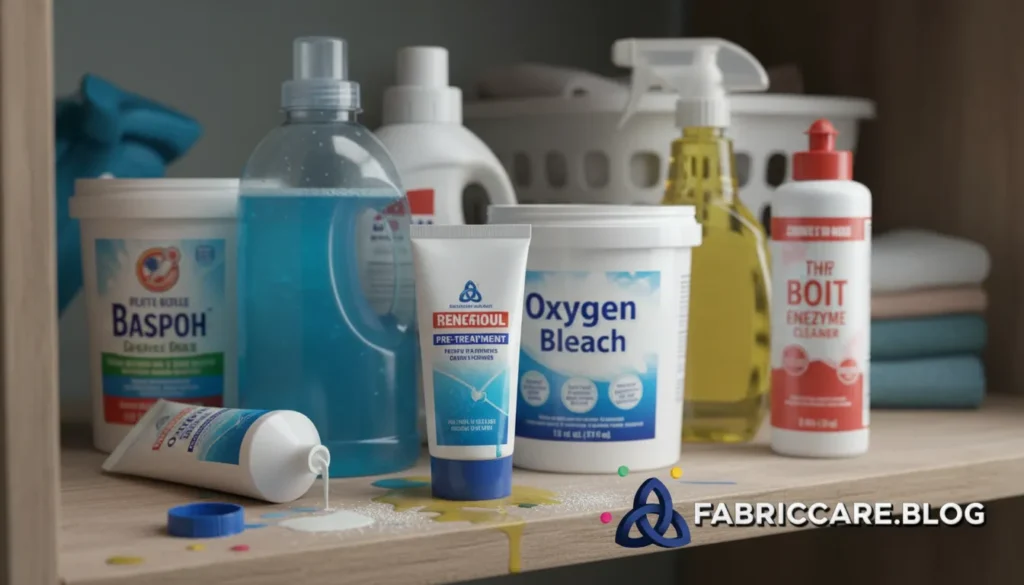
Stain removal mistakes that ruin clothes often come from confusing effort with effectiveness. Scrubbing feels productive. You can see movement, pressure, and immediate change. Blotting, by contrast, feels passive and slow. This difference in perception is exactly why scrubbing is one of the most damaging habits in stain removal.
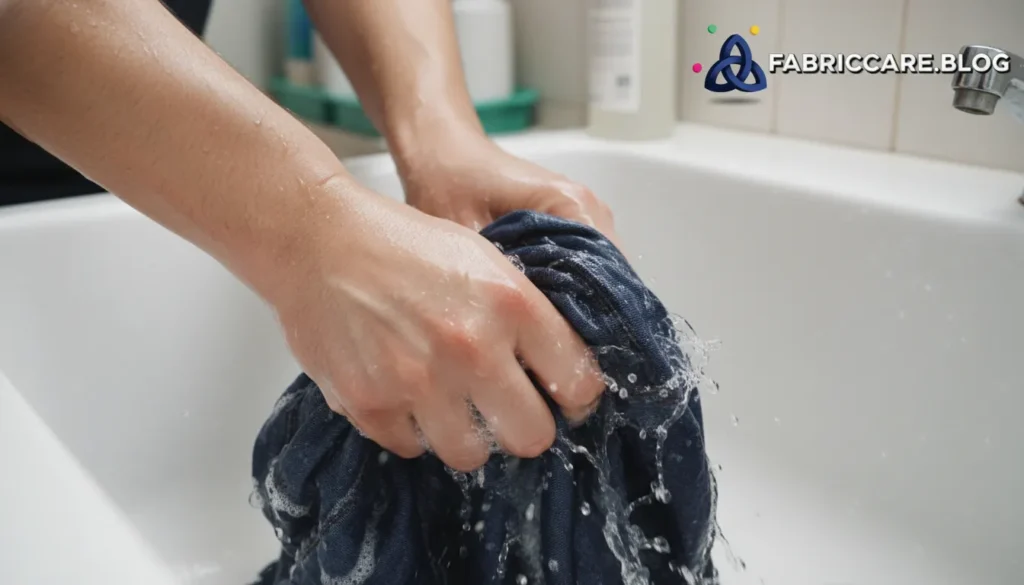
When fabric is wet, fibers swell and lose structural strength. At this stage, friction does far more than move stain particles — it breaks fibers at a microscopic level. Scrubbing pushes stains deeper into the fabric while simultaneously thinning the fiber surface. The result is a stain that may fade slightly but a fabric that weakens permanently.
Blotting works differently. Instead of forcing particles inward, blotting lifts moisture and residue upward through absorption. This limits stain spread and protects fiber structure. It is slower by design, but it preserves options. With blotting, you are stabilizing the situation rather than trying to solve it immediately.
Another overlooked problem with scrubbing is distortion. Knits, delicate weaves, and blended fabrics are especially vulnerable. Aggressive rubbing can stretch areas unevenly, roughen texture, or create permanent fuzzing and pilling. These changes remain even if the stain disappears.
Scrubbing vs blotting impact table
Why this table exists:
This table makes the mechanical difference between scrubbing and blotting visible so the risk is clear.
| Action | Fiber Impact | Stain Movement | Long-Term Effect |
|---|---|---|---|
| Scrubbing | Breaks wet fibers | Pushes stain inward | Fabric damage |
| Rubbing in circles | Distorts weave | Spreads residue | Texture loss |
| Blotting | Preserves structure | Lifts stain upward | Safer outcome |
| Press-and-lift | Minimal stress | Controls spread | Fabric intact |
How to use this table:
If your action involves friction, stop. Switch to blotting and reassess before proceeding.
The key takeaway is that stain removal is not a test of strength. Scrubbing trades immediate satisfaction for long-term damage. Blotting may feel slower, but it protects fabric integrity — which is exactly what prevents stain removal mistakes that ruin clothes.
5. Overusing Detergents and Stain Removers
Stain removal mistakes that ruin clothes often come from the belief that more product means better results. When a stain doesn’t respond immediately, the instinct is to add extra detergent, apply a stronger remover, or layer multiple products. This escalation feels logical, but it is one of the fastest ways to damage fabric while delivering little to no additional cleaning benefit.
Detergents and stain removers are designed to work within specific limits. When those limits are exceeded, the chemistry starts to work against the fabric instead of the stain. Excess detergent leaves residue that attracts dirt, dulls color, and stiffens fibers. Strong stain removers can strip dyes, weaken fibers, and create uneven fading — especially when combined with heat or friction.
Another problem with overuse is false feedback. A stain may appear lighter after heavy product application, giving the impression that the method is effective. In reality, the fabric surface may be altered, masking the stain temporarily while long-term damage accumulates. Over time, these garments feel rougher, look flatter, and wear out faster.
Layering products creates additional risk. Different products contain different active ingredients, and combining them can fix stains into fabric or cause unexpected chemical reactions. Switching rapidly from one remover to another rarely improves results and often increases stress on both fibers and dyes.
Product overuse risk table
Why this table exists:
This table shows how excess product changes the outcome from cleaning to damage.
| Behavior | What Happens | Long-Term Result |
|---|---|---|
| Extra detergent | Residue buildup | Dull, stiff fabric |
| Strong remover early | Fiber stress | Weakening, fading |
| Product layering | Chemical overload | Color loss |
| Repeated application | Compounded exposure | Shortened lifespan |
How to use this table:
If a product has been applied once without improvement, adding more of the same or something stronger increases risk more than it increases effectiveness.
The key takeaway is that restraint protects clothes. Using the smallest effective amount of product preserves fiber strength and color, while overuse quietly accelerates the stain removal mistakes that ruin clothes.
6. Mixing Products Without Understanding Reactions
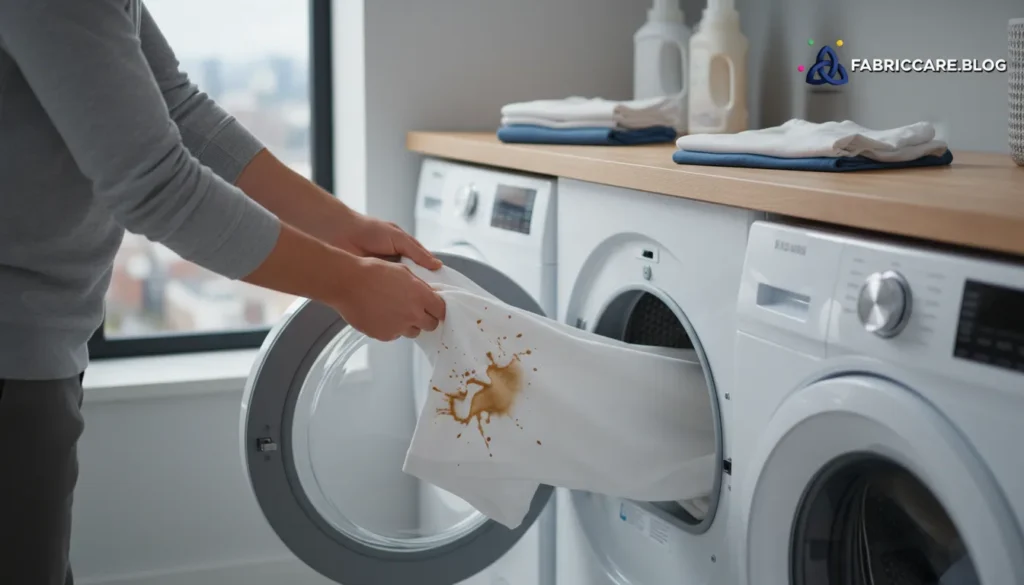
Stain removal mistakes that ruin clothes frequently happen when products are mixed without understanding how they interact. Switching from one remover to another, layering detergents, or combining household solutions feels resourceful, but chemically, it introduces uncontrolled reactions that fabric is not designed to withstand.
Each stain-removal product is formulated to work within a specific chemical range. Enzymes, surfactants, oxidizers, and solvents behave differently when combined. When these substances overlap, they can neutralize each other, fix stains permanently, or attack dyes and fibers instead of the stain itself. The result is often discoloration, weakened fabric, or a stain that becomes more resistant after treatment.
A common example is moving from an enzyme-based product directly to a bleach or oxygen-based solution. Enzymes are heat- and oxidizer-sensitive. When they are deactivated abruptly, they leave partially broken stain components behind, which can bond more tightly to fibers. Similarly, mixing alkaline detergents with acidic household solutions can destabilize dyes and leave uneven color patches.
Another risk is residue interaction. Even if products are applied separately, residue from the first treatment can react with the second. Without thorough rinsing and drying between attempts, chemical stress compounds silently. This is why garments sometimes look fine initially but develop fading or texture issues weeks later.
Product-mixing risk table
Why this table exists:
This table highlights why combining products creates unpredictable outcomes that often damage fabric.
| Combination Behavior | Chemical Effect | Fabric Risk |
|---|---|---|
| Enzymes + oxidizers | Enzyme breakdown | Fixed stains |
| Detergent + acids | Dye destabilization | Color patches |
| Multiple removers | Compound stress | Fiber weakening |
| No rinse between steps | Residue reaction | Delayed damage |
How to use this table:
If you feel tempted to try a second product, stop and reset. Rinse thoroughly, dry the fabric, and reassess before changing methods.
The key takeaway is that stain removal is not additive. Mixing products does not double effectiveness — it multiplies risk. Understanding this prevents a common chain of stain removal mistakes that ruin clothes while protecting fabric integrity.
7. Washing and Drying Before the Stain Is Gone
Stain removal mistakes that ruin clothes often become permanent at the washing and drying stage. Once a garment enters a full wash cycle before the stain is fully removed, the process shifts from treatment to fixation. Washing adds water, agitation, and chemicals; drying adds heat. Together, they finalize mistakes made earlier.
The washing machine creates the illusion of progress. A stain may look lighter after a cycle, especially when the fabric is wet. This visual cue is misleading. Water temporarily masks residue, and detergents can redistribute soils. When the garment dries, the stain frequently reappears—now more resistant than before. The dryer then seals the outcome by bonding remaining residue to the fibers.
Drying is the most critical point of no return. Heat accelerates chemical bonding and fiber stress. If a stain is still visible before drying, applying heat dramatically reduces future removal options. Even low-heat or “air” settings can expose fabric to enough warmth and tumbling to worsen fixation.
Another overlooked issue is habit-driven sequencing. Many laundry routines are automated: stain → wash → dry. This sequence works for dirt and odors, but not for stains that require evaluation between steps. Skipping inspection removes the chance to stop, reassess, and protect the garment.
Wash-and-dry fixation table
Why this table exists:
This table clarifies how washing and drying change stain behavior so you know when to pause.
| Step Taken Too Early | What Happens | Long-Term Effect |
|---|---|---|
| Full wash cycle | Agitation spreads residue | Larger stain area |
| Detergent exposure | Partial removal illusion | Masked stains |
| Dryer use | Heat fixes residue | Permanent setting |
| No inspection | Missed stop point | Lost options |
How to use this table:
If a stain is still visible after washing, do not dry. Air-dry, reassess, and decide next steps before applying heat.
The key takeaway is simple: washing and drying should confirm success, not attempt it. Treating them as part of stain removal is a common mistake that turns negotiable stains into permanent damage.
8. Ignoring Fabric Type and Care Labels
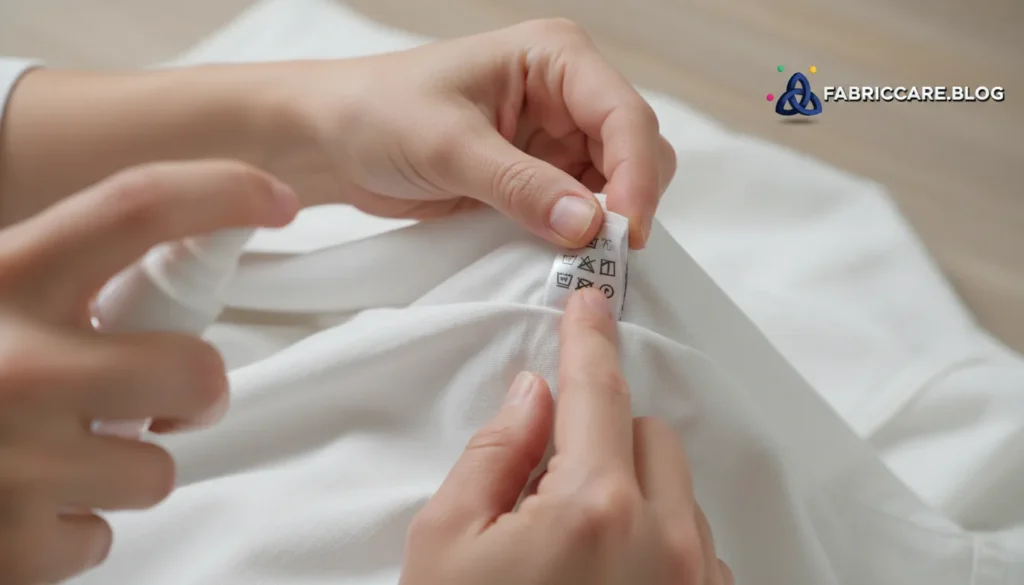
Stain removal mistakes that ruin clothes often happen when fabric type and care labels are treated as suggestions instead of rules. Many people focus entirely on the stain and forget that the fabric itself determines how much stress a garment can tolerate. When fabric limits are ignored, even correct stain-removal techniques can cause permanent damage.
Every fabric reacts differently to water, heat, friction, and chemicals. Cotton is generally forgiving but weakens with repeated abrasion. Wool felts and shrinks when agitated or exposed to heat. Silk loses strength when wet and can show water marks from minimal handling. Synthetic fibers may resist absorption but react poorly to high heat and strong solvents. Treating all fabrics as if they behave the same guarantees uneven results.
Care labels exist to communicate these limits, not to complicate laundry. When a label says “cold water only” or “do not tumble dry,” it reflects how the fibers respond under stress. Ignoring these instructions during stain removal often causes damage that looks like stain residue but is actually fiber distortion, color loss, or texture change.
Another common error is assuming that spot treatment is exempt from care rules. Even small areas respond to heat and chemicals the same way the whole garment does. Applying hot water or strong remover “just on the stain” can still shrink, fade, or stiffen the surrounding fabric.
Fabric-type risk table
Why this table exists:
This table shows how different fabrics react to common stain-removal actions so decisions can be adjusted intentionally.
| Fabric Type | Sensitive To | Common Mistake | Resulting Damage |
|---|---|---|---|
| Cotton | Friction, residue | Over-scrubbing | Thinning fibers |
| Wool | Heat, agitation | Warm water | Felting, shrinkage |
| Silk | Water, friction | Rubbing | Water marks |
| Synthetics | High heat | Hot drying | Melting, distortion |
How to use this table:
Before treating any stain, identify the fabric and read the care label. If your method contradicts the label, stop and adjust.
The key takeaway is that stains don’t ruin clothes on their own — misaligned methods do. Respecting fabric type and care instructions prevents damage that no amount of stain removal can reverse.
9. Repeating the Same Method Too Many Times
Stain removal mistakes that ruin clothes often become destructive through repetition. When a stain does not respond immediately, many people repeat the same method again and again, assuming persistence will eventually pay off. In reality, repetition compounds stress faster than it improves results.
Every stain-removal attempt applies pressure to the fabric—through moisture, chemicals, friction, or time. One careful attempt may be tolerable. Repeating that same attempt multiplies exposure and weakens fibers incrementally. Fabric damage rarely happens in a single moment; it accumulates quietly across repeated treatments.
Another problem with repetition is diminishing returns. Once a stain reaches a plateau, additional attempts stop improving appearance and start affecting structure. At this stage, fibers may thin, colors may dull, and texture may change even if the stain itself barely fades. The garment survives the stain but loses durability.
Repetition is especially harmful when washing and drying are involved. Each cycle adds heat and agitation, accelerating fiber fatigue. Textile durability testing consistently shows that irreversible damage often appears during the second or third aggressive attempt, not the first controlled one.
Repetition risk table
Why this table exists:
This table shows how repeating the same method shifts the outcome from cleaning to damage.
| Number of Attempts | Visual Result | Fabric Impact |
|---|---|---|
| First attempt | Possible improvement | Minimal stress |
| Second attempt | Little change | Fiber weakening |
| Third attempt | No improvement | Texture damage |
| Continued cycles | Decline | Fabric failure |
How to use this table:
If there is no clear improvement after one careful attempt, repeating the same method increases risk more than reward.
The key takeaway is that stain removal is not a test of endurance. Knowing when a method has reached its limit prevents repetition from becoming one of the most common stain removal mistakes that ruin clothes.
10. Trying to Fix Set-In Stains With Fresh-Stain Logic
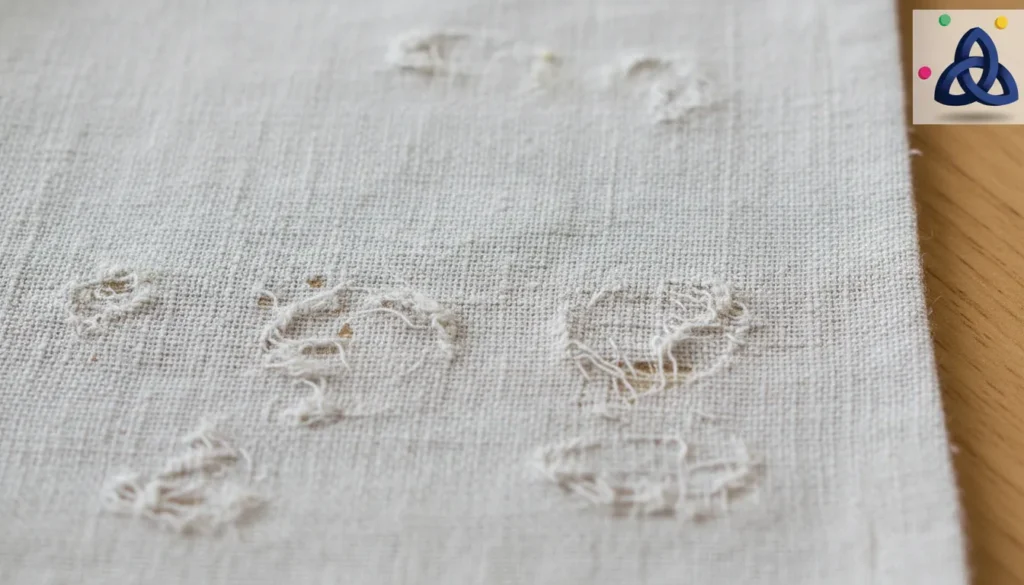
Stain removal mistakes that ruin clothes often peak when people apply fresh-stain logic to stains that are already set. This mistake feels reasonable because the actions used for fresh stains—water, products, agitation—are familiar and have worked before. The problem is that once a stain is set, the rules change, and repeating early-stage tactics usually increases damage instead of improving results.
Fresh-stain logic is built around speed and interruption. The goal is to stop bonding before it completes. Set-in stains, however, have already bonded through time, heat, or previous washing and drying. At this stage, adding more water, scrubbing harder, or increasing product strength does not reverse the bond. It stresses the fabric while leaving the stain largely intact.
This mistake is reinforced by false signals. Set-in stains may lighten temporarily when wet, giving the impression that progress is happening. Once the fabric dries, the stain reappears with little change, while the fibers have absorbed additional stress. This cycle leads to repeated attempts, each one compounding damage.
Another issue is emotional escalation. When a stain resists treatment, frustration replaces judgment. People move quickly from gentle methods to aggressive ones, skipping spot testing and ignoring fabric limits. This escalation often results in fading, thinning, or texture loss that is more noticeable than the original stain.
Fresh-stain logic vs set-in reality table
Why this table exists:
This table contrasts the logic that works early with the reality of set-in stains so the mismatch is clear.
| Situation | Fresh-Stain Logic | Set-In Reality | Resulting Risk |
|---|---|---|---|
| Time factor | Act fast | Bond already fixed | Over-treatment |
| Water use | Rinse immediately | Limited effect | Fiber stress |
| Scrubbing | Increase effort | No added benefit | Damage |
| Product strength | Escalate | Diminishing returns | Color loss |
How to use this table:
If a stain has been washed and dried or has existed for an extended time, abandon fresh-stain logic and switch to preservation-focused decisions.
The key takeaway is that timing determines strategy. Applying the wrong logic at the wrong stage turns reasonable actions into stain removal mistakes that ruin clothes, even when intentions are good.
11. The Hidden Cost of “Almost Clean” Clothes
Stain removal mistakes that ruin clothes don’t always look dramatic. Some of the most damaging outcomes happen quietly, under the illusion of success. “Almost clean” clothes — garments where the stain has faded but not disappeared — often mark the point where fabric damage begins to outweigh stain improvement.
When a stain lightens after treatment, many people consider the job done. The garment looks acceptable at a glance, especially when freshly washed. What’s missed is that partial removal often leaves behind weakened fibers, chemical residue, or altered dye structure. These changes are subtle at first, but they affect how the fabric ages.
Residual stain components can attract dirt more easily, causing the area to darken again over time. At the same time, over-treated fibers in that spot may thin or lose elasticity faster than the surrounding fabric. This creates uneven wear patterns that make garments look old prematurely, even when they’re otherwise well cared for.
There’s also a psychological cost. Once a garment is labeled “good enough,” it often receives rougher treatment in future washes. People stop being cautious with heat, detergent amounts, or drying methods because the item is no longer perceived as pristine. This accelerates decline and shortens the garment’s usable life.
“Almost clean” cost table
Why this table exists:
This table shows how partial success can hide long-term damage.
| Condition | Immediate Appearance | Hidden Impact | Long-Term Result |
|---|---|---|---|
| Faded stain | Looks acceptable | Residue remains | Re-darkening |
| Over-treated area | No visible stain | Fiber stress | Thinning |
| Color lightening | Cleaner look | Dye loss | Patchy fabric |
| Relaxed care | Normal handling | Heat exposure | Faster wear |
How to use this table:
If a stain is reduced but not gone, adjust future care to protect the weakened area. Treat the garment gently to avoid compounding damage.
The key takeaway is that “almost clean” is not neutral. It often signals that the fabric has already paid a price. Recognizing this hidden cost helps you decide when to stop treating stains and start preserving the garment instead.
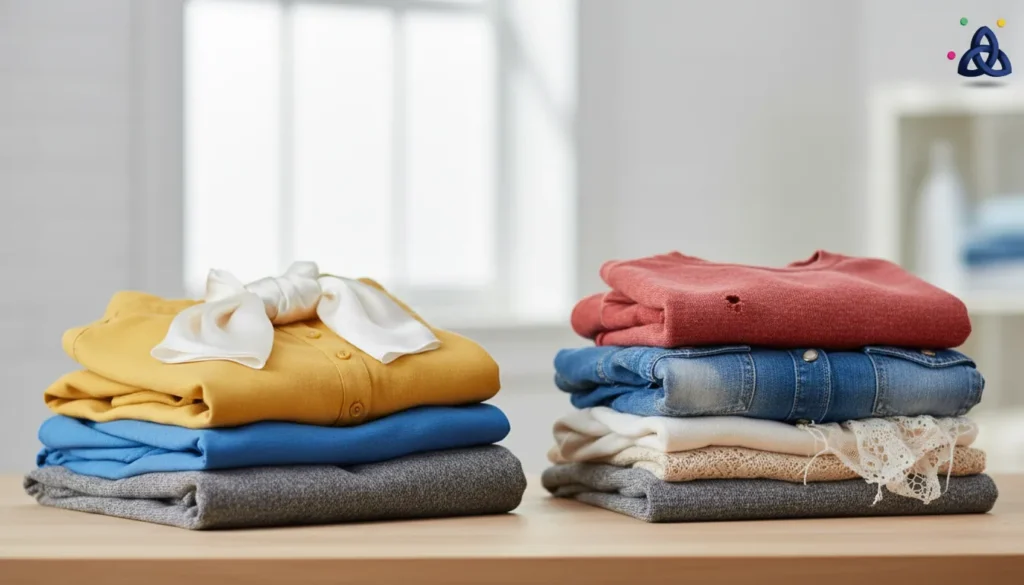
12. How to Build a Mistake-Proof Stain Removal Habit
Stain removal mistakes that ruin clothes stop repeating when stain care becomes a habit guided by rules instead of reactions. Most damage doesn’t come from one bad decision, but from inconsistent decisions made under pressure. A mistake-proof habit removes guesswork and replaces urgency with structure.
The first rule of this habit is pause before action. When a stain appears, the instinct is to act immediately. A brief pause to identify whether the stain is fresh, set-in, or uncertain prevents the most common errors: early heat, aggressive scrubbing, and product overload. When timing is unclear, treating the stain as set-in lowers risk automatically.
The second rule is contain before removing. Containment means blotting, scraping solids gently, and keeping heat out. This step stabilizes the stain and protects fabric fibers. Removal attempts come later, once fabric tolerance is clear. Skipping containment is one of the fastest ways to spread stains and weaken fabric.
The third rule is one method at a time. Choose a single approach, apply it once, and evaluate results after air-drying. Air-drying reveals the true state of the stain without locking it in. If improvement is visible, one more cautious attempt may be reasonable. If there is no change, stopping preserves the garment.
The final rule is define a stopping point in advance. Decide ahead of time how many attempts are acceptable for that fabric and garment. This prevents emotional escalation and protects clothes from cumulative damage. Preservation is a valid success, even when full removal isn’t possible.
Mistake-proof stain habit table
Why this table exists:
This table turns good intentions into a repeatable habit you can follow consistently.
| Habit Rule | What It Controls | What It Prevents |
|---|---|---|
| Pause | Impulse | Panic actions |
| Contain first | Spread | Early fixation |
| One method | Escalation | Over-treatment |
| Air-dry check | Illusion | False success |
| Stop rule | Emotion | Fabric damage |
How to use this table:
Follow the rules in order every time. Breaking the sequence increases risk without improving outcomes.
The key takeaway is that protecting clothes is about consistency, not perfection. A simple, mistake-proof habit keeps stains manageable and prevents the repeated behaviors that turn small accidents into stain removal mistakes that ruin clothes.