
1. Natural vs Synthetic Fabrics: Why Care Differences Matter
Understanding natural vs synthetic fabrics care differences is essential for anyone who wants clothes and household textiles to last longer and maintain their appearance. Although many fabrics may look similar at first glance, the fibers that form them behave very differently when exposed to water, heat, friction, and cleaning products. Treating natural and synthetic fabrics the same way during washing, drying, and storage is one of the main reasons fabrics lose quality faster than expected.
Natural fabrics are made from plant or animal fibers, such as cotton, linen, wool, and silk. These fibers evolved to interact with moisture and temperature in organic ways. As a result, they tend to absorb water easily and react strongly to heat. Synthetic fabrics, such as polyester, nylon, and acrylic, are manufactured from chemical compounds designed for durability and consistency. They absorb far less moisture, resist wrinkling, and often dry faster. These structural differences are at the core of natural vs synthetic fabrics care differences and explain why a single laundry routine cannot work well for both groups.
Water interaction is a key point of divergence. Natural fibers swell when they absorb water, which temporarily weakens their structure. If this swelling is combined with heat or heavy agitation, shrinkage and distortion are likely. Synthetic fibers do not swell in the same way, but they tend to trap oils, detergents, and odors on the surface of the fibers. Knowing natural vs synthetic fabrics care differences helps prevent problems such as shrinking in natural fabrics and odor retention in synthetic ones.
Heat tolerance also separates these fabric groups. Natural fibers, especially wool and silk, are highly sensitive to temperature changes. Excessive heat can cause felting, stiffness, or loss of shape. Synthetic fabrics are more resistant to shrinkage but are vulnerable to heat damage in different ways, such as fiber deformation and loss of elasticity. These reactions are not always immediate, which makes improper care harder to detect until damage becomes permanent. Recognizing natural vs synthetic fabrics care differences allows for safer temperature choices during washing and drying.
Friction during washing affects both fabric types, but not equally. Natural fibers may weaken and break under excessive agitation, while synthetic fibers are more prone to pilling and surface wear. Mixing both types in the same load increases uneven stress, accelerating damage to the more sensitive materials. Adjusting laundry routines based on natural vs synthetic fabrics care differences reduces unnecessary wear and extends fabric lifespan.
Ultimately, care differences matter because fabrics are engineered—or grown—differently. When cleaning and handling methods respect these differences, fabrics maintain comfort, structure, and usability for much longer. Understanding and applying natural vs synthetic fabrics care differences is a practical step toward better fabric care at home.

2. How Natural Fibers React to Water and Heat
Natural fibers react to water and heat in ways that directly affect their durability, shape, and comfort. Cotton, linen, wool, and silk all originate from plant or animal sources, which means their fiber structures are designed to absorb moisture and respond to environmental changes. These reactions explain many of the challenges people face when caring for natural fabrics at home and are a key part of understanding natural vs synthetic fabrics care differences.
When natural fibers absorb water, they swell. This swelling temporarily weakens the fiber structure, making it more vulnerable to stretching, distortion, and breakage. Cotton and linen, for example, can tolerate regular washing but are prone to shrinking when exposed to high temperatures during washing or drying. Wool fibers absorb moisture and, when combined with heat and friction, may interlock and felt, causing irreversible shrinkage. Silk becomes weaker when wet, increasing the risk of damage if handled aggressively.
Heat intensifies these reactions. Hot water accelerates fiber swelling and increases internal stress within natural materials. High-heat drying further compounds the problem by forcing fibers to contract unevenly. These effects are not always visible after a single wash, but repeated exposure gradually degrades fabric quality. Understanding natural vs synthetic fabrics care differences highlights why natural fibers generally require lower temperatures and gentler handling than synthetic ones.
Another important factor is sensitivity to sudden temperature changes. Moving natural fabrics from cold water to warm environments—or from washing directly to hot drying—creates thermal shock that stresses fibers. Gentle, consistent temperature control reduces this stress and helps fabrics retain their original shape and softness.
By recognizing how natural fibers react to moisture and heat, care routines can be adjusted to reduce shrinkage, maintain texture, and extend fabric life. This knowledge forms a practical foundation for managing natural vs synthetic fabrics care differences effectively at home.
3. How Synthetic Fibers Respond to Washing and Drying
Synthetic fibers such as polyester, nylon, and acrylic respond very differently to washing and drying compared to natural materials. These fibers are engineered to be strong, flexible, and resistant to many forms of wear, but that does not mean they are immune to damage. Understanding their behavior is essential to applying natural vs synthetic fabrics care differences correctly in everyday laundry routines.
One of the defining characteristics of synthetic fibers is their low absorbency. Unlike natural fibers, synthetics do not readily absorb water into the fiber structure. This helps them dry faster and resist traditional shrinkage, but it also creates other challenges. Oils from skin, sweat, and detergent residues tend to remain on the surface of the fibers rather than being rinsed away. Over time, this buildup causes stiffness, dullness, and persistent odors. Recognizing natural vs synthetic fabrics care differences helps explain why synthetic garments may smell “unclean” even after washing.
Heat exposure is another critical factor. Synthetic fibers are sensitive to high temperatures, but the damage they suffer is often subtle at first. Excessive heat during washing or drying can soften fibers, causing them to lose shape, elasticity, and resilience. This deformation may not be immediately visible, but repeated exposure leads to sagging, thinning, and surface wear. Understanding natural vs synthetic fabrics care differences allows for safer temperature choices that protect synthetic materials without compromising cleanliness.
Mechanical action also affects synthetic fabrics. While they generally tolerate agitation better than natural fibers, excessive friction increases pilling and surface abrasion. Fast spin cycles and overloading the machine force garments to rub against each other aggressively, accelerating visible wear. Gentler cycles and lighter loads reduce this stress.
By controlling heat, minimizing residue buildup, and reducing unnecessary friction, washing and drying routines can be adapted to the specific needs of synthetic fibers. Applying natural vs synthetic fabrics care differences in this way helps synthetic fabrics remain comfortable, functional, and visually acceptable over time.

4. Moisture Absorption Differences Between Fabric Types
Moisture absorption is one of the most important factors that separates natural and synthetic fabrics, and it strongly influences how each material should be cared for. Understanding how different fabrics interact with moisture helps explain common problems such as lingering odors, stiffness, slow drying, and unexpected wear. These behaviors are a core part of natural vs synthetic fabrics care differences.
Natural fabrics are generally highly absorbent. Cotton, linen, wool, and silk pull moisture into the fiber structure, which helps regulate comfort by allowing air circulation and evaporation. However, this same absorbency makes natural fibers more vulnerable during washing. When fibers absorb water, they swell and temporarily lose strength. Prolonged exposure to moisture or aggressive washing while fibers are swollen increases the risk of distortion, shrinkage, and fiber breakage. This is why natural fabrics often benefit from shorter wash cycles and prompt drying.
Synthetic fabrics behave very differently. Polyester, nylon, and similar materials absorb very little moisture into the fiber itself. Instead, moisture tends to remain on the surface or between layers of fabric. This low absorbency allows synthetics to dry quickly and resist traditional shrinkage, but it also creates other care challenges. Sweat and oils can cling to the surface, becoming trapped if detergents are not rinsed thoroughly. Understanding natural vs synthetic fabrics care differences explains why synthetic garments may retain odors even when they appear clean.
Drying behavior is also affected by moisture absorption. Natural fabrics may feel heavy and remain damp longer, increasing the risk of stretching or stiffness if dried improperly. Synthetic fabrics dry faster but can trap moisture in seams or layered areas, which may lead to odor buildup if garments are stored before fully drying.
By recognizing how moisture absorption differs between fabric types, laundry routines can be adjusted to reduce stress on fibers. Matching wash times, spin speeds, and drying methods to these moisture behaviors is essential when applying natural vs synthetic fabrics care differences effectively at home.
5. Heat Sensitivity in Natural and Synthetic Fabrics
Heat sensitivity is one of the most underestimated aspects of fabric care, yet it plays a decisive role in how long fabrics maintain their shape, strength, and comfort. Natural and synthetic fabrics react to heat in fundamentally different ways, and these reactions explain many common laundry problems. Understanding this behavior is essential when applying natural vs synthetic fabrics care differences correctly at home.
Natural fabrics are generally more vulnerable to heat because their fibers change structure when exposed to high temperatures. Cotton and linen fibers contract when heated, which often leads to shrinkage if washing or drying temperatures are too high. Wool is especially sensitive; heat combined with moisture causes fibers to interlock, resulting in felting and permanent shrinkage. Silk fibers weaken and lose their natural sheen when exposed to excessive heat. These effects may occur gradually, but once the damage is visible, it is usually irreversible. This is why natural fabrics benefit from cooler wash temperatures and low-heat or air drying.
Synthetic fabrics respond differently. Instead of shrinking, synthetic fibers soften when exposed to heat. High temperatures can deform polyester, nylon, and acrylic fibers, causing them to lose elasticity and structural integrity. This deformation may not be immediately obvious after a single wash, but repeated heat exposure leads to sagging, thinning, and surface wear. Understanding natural vs synthetic fabrics care differences helps explain why synthetic garments often look fine initially but deteriorate faster over time when exposed to high heat.
Drying is where heat damage most often occurs for both fabric groups. High-heat tumble drying concentrates heat and movement, amplifying stress on fibers. Lower heat settings or air drying reduce this stress and preserve fabric performance. Selecting drying methods based on fabric heat sensitivity is a practical way to extend fabric life.
By recognizing how heat affects each fabric type differently, laundry routines can be adjusted to protect both natural and synthetic materials. Respecting heat sensitivity is a central principle in managing natural vs synthetic fabrics care differences effectively.
6. Friction and Wear: Comparing Fabric Structures
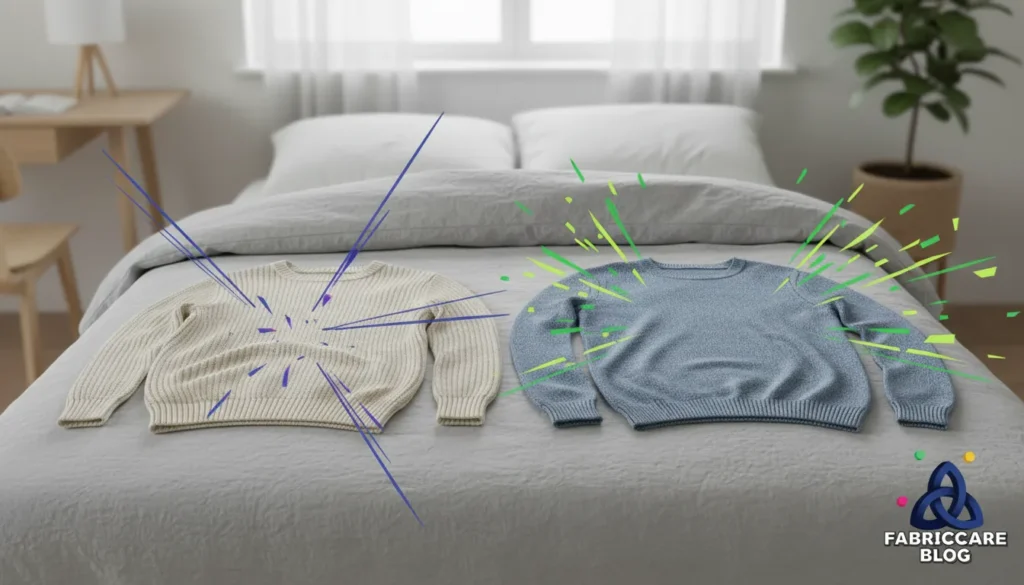
Friction is one of the most damaging forces fabrics experience during regular use and laundering, yet it is often overlooked in everyday care routines. Natural and synthetic fabrics respond differently to friction because of their internal structure and surface characteristics. Understanding these reactions is essential when applying natural vs synthetic fabrics care differences in a practical way.
Natural fabrics typically have irregular fiber surfaces and less uniform structures. Cotton and linen fibers, for example, can weaken and break when exposed to repeated rubbing, especially while wet. Wool fibers have surface scales that can catch and interlock under friction, leading to felting and surface distortion. When natural fabrics experience excessive agitation in the washing machine or constant rubbing during wear, fibers gradually lose strength, resulting in thinning areas and visible wear.
Synthetic fabrics are engineered to be smoother and more uniform, which gives them greater resistance to certain types of friction. However, this does not mean they are immune to damage. Instead of breaking down internally, synthetic fibers often show wear on the surface. Pilling is a common result, caused by loose fiber ends tangling together during repeated rubbing. High spin speeds, overloading the washing machine, and mixing heavy items with lighter synthetics increase this surface abrasion.
Mixing natural and synthetic fabrics in the same load amplifies friction-related problems. Heavier or rougher items rub against more delicate fabrics, accelerating uneven wear. Understanding natural vs synthetic fabrics care differences helps explain why separating loads by fabric type and weight reduces damage for both groups.
Reducing friction does not require complex changes. Using gentler wash cycles, avoiding overloading, turning garments inside out, and selecting appropriate spin speeds all help minimize unnecessary rubbing. These small adjustments significantly reduce wear and support longer fabric life when managing natural vs synthetic fabrics care differences at home.
7. Why Natural Fabrics Shrink More Easily
Natural fabrics are widely known for their comfort and breathability, but they are also more prone to shrinkage than synthetic materials. This tendency is not accidental; it is directly related to how natural fibers are structured and how they react to moisture and heat. Understanding this behavior is a key part of applying natural vs synthetic fabrics care differences correctly in daily fabric care.
Natural fibers such as cotton, linen, wool, and silk are made of organic structures that expand when exposed to water. During washing, these fibers absorb moisture and swell, which temporarily loosens the internal structure. When heat is applied—either during washing or drying—the fibers contract as they dry. This contraction often happens unevenly, especially if fabrics are exposed to high temperatures or rapid drying, leading to noticeable shrinkage.
Wool is particularly vulnerable due to its scaled fiber surface. When moisture, heat, and agitation occur together, the scales interlock, pulling fibers closer and permanently reducing fabric size. Cotton and linen shrink primarily because their fibers tighten when dried under heat after being stretched in water. These reactions highlight why temperature control is so important when managing natural vs synthetic fabrics care differences.
Synthetic fabrics behave differently because their fibers are manufactured to be dimensionally stable. They do not absorb water into the fiber structure, which means they are less likely to swell and contract during washing. While synthetics can deform under heat, they usually do not shrink in the same way natural fibers do.
Preventing shrinkage in natural fabrics requires conservative care choices. Cooler water temperatures, gentle wash cycles, and air drying or low-heat drying reduce fiber stress and contraction. Recognizing why natural fabrics shrink more easily allows care routines to be adjusted, reinforcing the practical importance of natural vs synthetic fabrics care differences in preserving fabric size and fit.
8. Odor Retention in Synthetic Fabrics
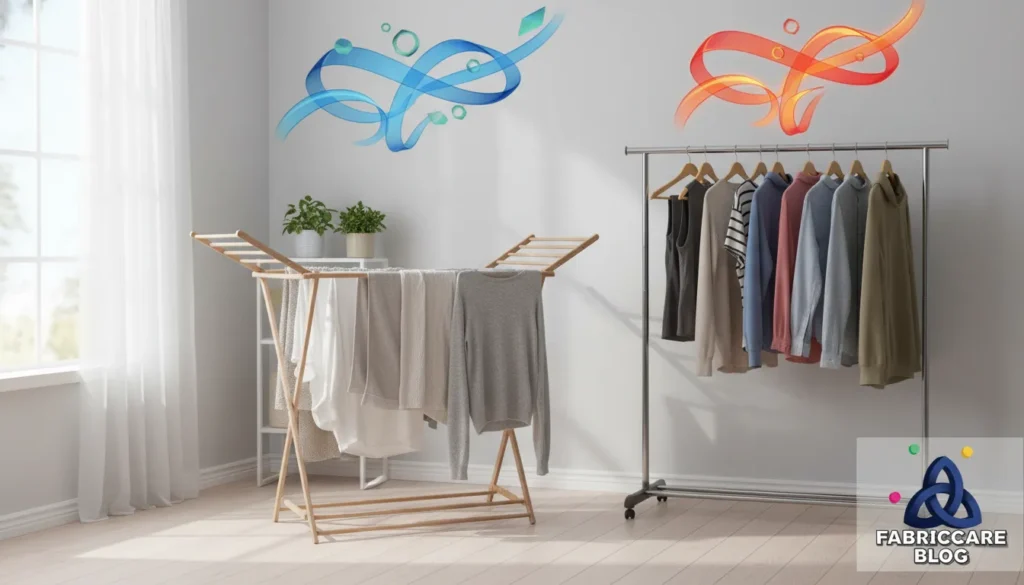
Odor retention is a common complaint with synthetic fabrics, especially in everyday clothing, sportswear, and household textiles. While these materials are durable and quick-drying, their fiber structure makes them more prone to trapping smells over time. Understanding this issue is essential when applying natural vs synthetic fabrics care differences effectively in routine fabric care.
Synthetic fibers such as polyester and nylon do not absorb moisture into the fiber itself. Instead, sweat and oils remain on the surface or become trapped between tightly packed fibers. These residues provide an environment where odor-causing bacteria can persist even after washing. As a result, synthetic garments may appear clean but still retain unpleasant smells. This behavior contrasts sharply with natural fabrics, which absorb moisture and allow odors to dissipate more easily through airflow and evaporation.
Detergent use plays a significant role in odor retention. Excess detergent often leaves a residue on synthetic fibers, which attracts and traps oils rather than removing them. Over time, this buildup worsens odor problems. Understanding natural vs synthetic fabrics care differences helps explain why synthetics benefit from measured detergent use and thorough rinsing rather than stronger cleaning products.
Heat also influences odor retention. High-heat drying can “set” odors into synthetic fibers by bonding residues more firmly to the surface. Lower drying temperatures or air drying reduce this risk and allow odors to dissipate naturally. Periodic deep rinsing or longer rinse cycles help remove trapped residues without damaging fibers.
By adjusting washing routines—controlling detergent amounts, improving rinsing, and managing heat—odor retention in synthetic fabrics can be significantly reduced. Recognizing this issue reinforces why natural vs synthetic fabrics care differences matter in keeping fabrics fresh and wearable over time.
9. Washing Mistakes When Mixing Fabric Types
Mixing different fabric types in the same washing load is one of the most common causes of premature fabric damage. While it may seem efficient to wash everything together, natural and synthetic fabrics react differently to water, heat, friction, and detergent exposure. Ignoring these natural vs synthetic fabrics care differences leads to uneven wear and reduced fabric lifespan.
One frequent mistake is combining heavy natural fabrics, such as cotton towels or denim, with lightweight synthetic garments. During washing, heavier items absorb more water and become denser, increasing friction against lighter fabrics. Synthetic items, which are often smoother and lighter, suffer surface abrasion and pilling when rubbed repeatedly against heavier materials. Natural fabrics, on the other hand, may stretch or weaken under this uneven stress.
Another issue arises from conflicting temperature needs. Natural fabrics often require cooler temperatures to prevent shrinkage, while some synthetic fabrics tolerate slightly warmer settings. When a compromise temperature is chosen, it may still be unsuitable for one fabric group. Understanding natural vs synthetic fabrics care differences helps explain why separating loads by fabric type reduces temperature-related damage.
Detergent behavior also varies when fabrics are mixed. Detergents that clean natural fibers effectively may leave residues on synthetic fabrics, contributing to stiffness and odor retention. Overloading the machine further worsens this problem by limiting water movement and rinsing efficiency.
Separating fabrics by type, weight, and care requirements may require extra loads, but it significantly reduces damage. By respecting natural vs synthetic fabrics care differences, washing routines become more protective, ensuring both fabric groups maintain appearance and functionality for longer periods.
10. Drying Errors That Affect Each Fabric Group
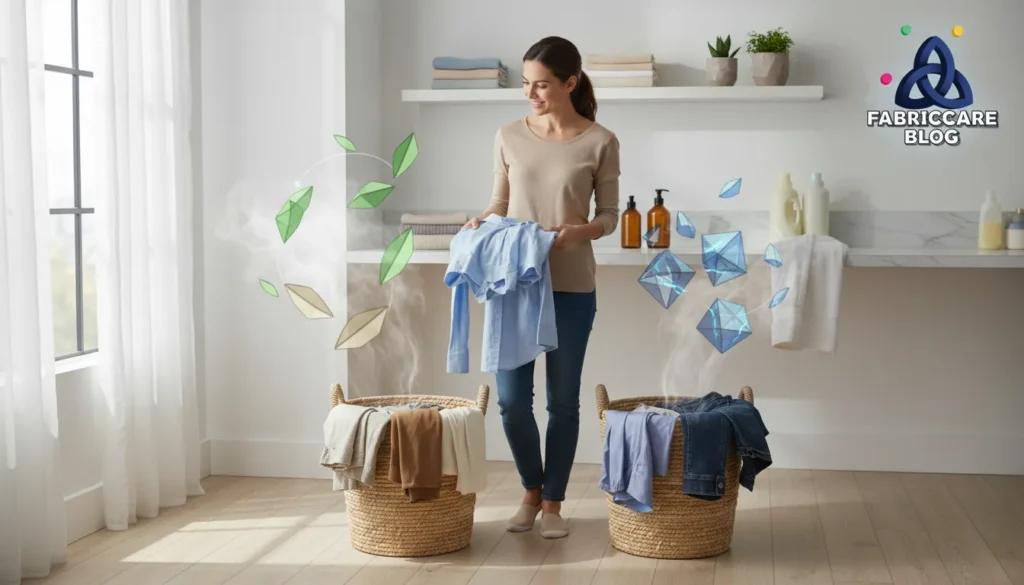
Drying is one of the stages where natural and synthetic fabrics suffer the most damage, often undoing careful washing practices. Many common drying habits ignore natural vs synthetic fabrics care differences, exposing fabrics to unnecessary heat, movement, and stress that shorten their lifespan.
A frequent mistake is using high-heat tumble drying for all fabrics. Natural fabrics such as cotton and linen tend to shrink and stiffen when exposed to high temperatures. Wool and silk are even more vulnerable, as heat combined with movement can permanently distort fibers, causing felting or loss of shape. These materials benefit from air drying or low-heat drying methods that allow fibers to relax gradually rather than contract abruptly.
Synthetic fabrics react differently to drying errors. While they are less prone to traditional shrinkage, excessive heat can soften and deform synthetic fibers. This deformation reduces elasticity, causes thinning in stress areas, and increases surface wear over time. High-heat drying may also lock in odors by bonding residues more tightly to the fiber surface. Recognizing natural vs synthetic fabrics care differences helps explain why lower heat settings are safer for synthetic materials, even when they appear durable.
Another common error is over-drying. Leaving fabrics in the dryer too long exposes them to prolonged heat and friction, amplifying damage for both fabric groups. Removing items while slightly damp and allowing them to finish drying naturally reduces fiber stress and helps maintain softness.
By adjusting drying habits—controlling temperature, reducing drying time, and choosing appropriate methods for each fabric group—damage can be minimized. Respecting natural vs synthetic fabrics care differences during drying is essential for preserving fabric structure, comfort, and appearance over time.
11. How to Adjust Laundry Routines for Mixed Loads
Adjusting laundry routines for mixed loads is often necessary in real households, where separating every fabric type is not always practical. However, when natural and synthetic fabrics are washed together, ignoring natural vs synthetic fabrics care differences increases the risk of uneven wear, shrinkage, and odor problems. The goal of a mixed-load routine is not perfection, but controlled compromise that protects the most sensitive fabrics in the load.
The first adjustment involves choosing conservative wash settings. When mixing fabric types, water temperature should be set based on the most heat-sensitive material present, which is usually a natural fiber. Cooler water reduces the risk of shrinkage, fiber weakening, and color bleeding while still providing effective cleaning for most everyday soils. Gentle or regular cycles with reduced agitation help minimize friction that disproportionately damages natural fabrics.
Load size also matters. Overloading the washing machine increases friction and reduces water circulation, making it harder to rinse detergents and residues from synthetic fabrics. Smaller loads allow fabrics to move freely, reducing stress and improving rinsing efficiency. This adjustment alone significantly reduces damage when managing natural vs synthetic fabrics care differences.
Detergent use should be carefully controlled. Using too much detergent creates residue buildup on synthetic fibers, while harsh formulas can weaken natural fibers. Mild detergents, accurately measured, strike a balance that cleans both fabric groups without introducing unnecessary chemical stress. Adding an extra rinse cycle can further reduce residue without increasing wear.
Drying routines must also reflect compromise. Low-heat drying or partial air drying protects natural fibers while remaining safe for synthetics. Removing items promptly prevents heat concentration and excessive friction.
By making these adjustments, mixed loads become less damaging. Thoughtful routines that respect natural vs synthetic fabrics care differences allow households to balance convenience with fabric preservation.
12. Choosing the Right Care Method for Each Fabric Type
Choosing the right care method for each fabric type requires understanding how materials behave rather than relying on habit or convenience. When natural and synthetic fabrics are treated according to their specific needs, damage is reduced and fabric performance is preserved. This decision-making process is the practical application of natural vs synthetic fabrics care differences in everyday laundry routines.
The first principle is identifying the most sensitive fabric involved. Natural fabrics such as wool, silk, cotton, and linen typically require gentler handling, lower temperatures, and reduced agitation. When care methods are chosen based on these needs, synthetic fabrics usually remain safe as well. This approach minimizes risk and creates a consistent baseline for mixed loads.
Another important factor is selecting appropriate washing and drying conditions. Water temperature, cycle intensity, and drying heat should always reflect fabric sensitivity rather than soil level alone. Many cleaning issues can be solved through longer soaking or improved rinsing instead of higher heat. Applying this mindset reinforces natural vs synthetic fabrics care differences by prioritizing material compatibility over speed.
Detergent choice also influences outcomes. Mild detergents, accurately measured, clean effectively without leaving residues on synthetic fabrics or weakening natural fibers. Avoiding unnecessary additives and fabric softeners reduces chemical buildup and supports fiber longevity.
Storage and frequency of washing complete the care strategy. Over-washing introduces unnecessary stress, especially for natural fabrics. Allowing garments to air out between wears and using spot cleaning when possible reduces overall wear. Proper storage further protects fibers during periods of non-use.
Ultimately, choosing the right care method is about informed adjustment rather than rigid rules. When care routines respect natural vs synthetic fabrics care differences, fabrics remain comfortable, functional, and visually acceptable for much longer periods.