1. Why Different Fabric Types Require Different Care
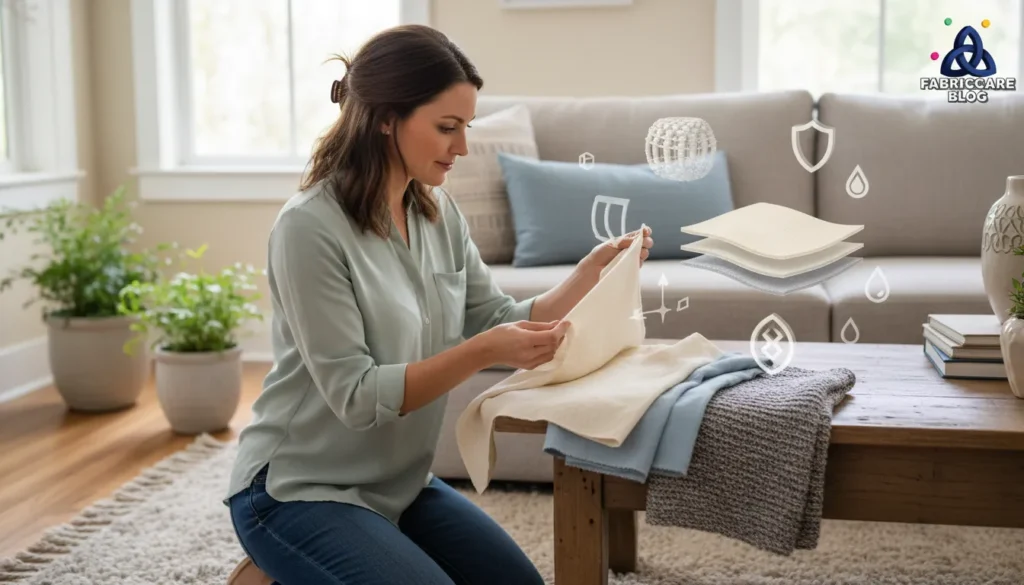
Understanding how to care for different fabric types is essential because fabrics are engineered materials made from fibers with distinct structures, tolerances, and reactions to everyday conditions. Each fabric responds differently to water, heat, friction, light, and cleaning agents, which means that applying a single, uniform care routine inevitably leads to premature wear. When care methods are mismatched to the material, fabrics may shrink, lose shape, fade, pill, or weaken long before their expected lifespan.
At a basic level, the way fibers interact with moisture varies widely. Natural fibers such as cotton, linen, wool, and silk tend to absorb water readily. This absorption causes fibers to swell, temporarily reducing their strength. If heat or strong agitation is added while fibers are in this weakened state, the result is often shrinkage, distortion, or fiber breakage. Synthetic fibers, by contrast, absorb far less water, but this does not make them maintenance-free. Oils, detergents, and residues often remain on the surface of synthetic fibers, leading to odor retention and stiffness when care is not adjusted properly. Knowing how to care for different fabric types requires recognizing these opposing behaviors and choosing methods that address them correctly.

Heat tolerance is another key reason fabrics require different care. Wool and silk are particularly sensitive to temperature changes; exposure to hot water or high-heat drying can cause irreversible damage such as felting, loss of softness, or structural breakdown. Synthetic fabrics may not shrink in the same way, but repeated exposure to heat deforms fibers, reduces elasticity, and accelerates surface wear. Effective fabric care is not about avoiding heat entirely, but about matching temperature levels to what each material can safely withstand. This principle is central to learning how to care for different fabric types in a practical home environment.
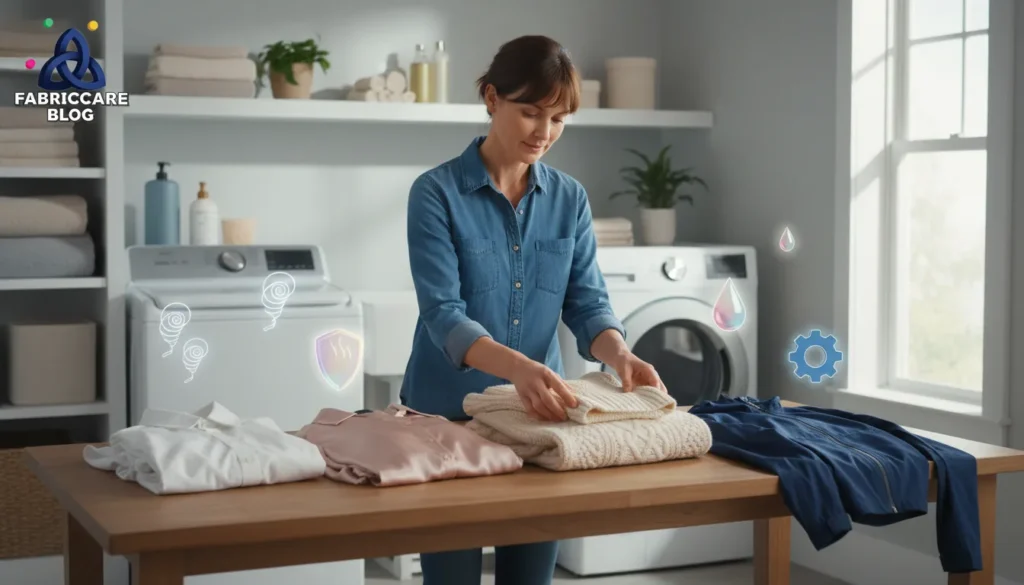
Friction also affects fabrics unevenly. Loosely woven or knitted materials stretch and pill more easily, while tightly woven fabrics resist abrasion but may trap dirt more deeply. Washing fabrics together without considering structure and weight increases uneven friction, accelerating damage to more delicate items. Care routines that separate fabrics by type and construction reduce unnecessary stress and preserve fiber integrity over time.
Chemical sensitivity further explains why care must vary by fabric. Detergents, stain removers, and treatments interact differently with fibers depending on composition. Products that clean one material effectively may strip natural oils, fade colors, or weaken fibers in another. Understanding how to care for different fabric types includes selecting cleaning agents and application methods that clean efficiently without compromising material performance.
Ultimately, different fabric types require different care because they are designed differently. Fabric care is not about complexity or perfection, but about compatibility. When cleaning, drying, and handling methods align with the fabric itself, materials retain their appearance, comfort, and durability for significantly longer periods..
2. How to Care for Cotton Fabrics at Home
Cotton is one of the most widely used fabrics in homes because it is breathable, comfortable, and relatively durable. Despite this reputation, cotton still requires thoughtful fabric care to maintain its structure, softness, and appearance over time. Many issues associated with cotton—such as shrinking, stiffness, and fading—are usually the result of improper handling rather than poor fabric quality.
One of the main characteristics of cotton is its high absorbency. Cotton fibers readily absorb water, which causes them to swell during washing. When combined with high heat, this swelling leads to shrinkage and fiber weakening. For this reason, fabric care for cotton favors moderate or cool water temperatures and avoids unnecessarily hot wash cycles. Washing cotton in hot water should be reserved for specific hygiene needs rather than routine cleaning.
Detergent choice also matters. Strong detergents formulated for heavy soils may strip cotton fibers of their natural softness and contribute to fading over time. Fabric care practices recommend using mild detergents and measuring them accurately to prevent residue buildup. Excess detergent does not improve cleanliness and often makes cotton fabrics feel stiff after drying.
Drying methods play a major role in cotton care. High-heat drying accelerates shrinkage and causes fibers to lose flexibility. Air drying or using low to medium heat helps preserve cotton’s shape and texture. Removing items promptly from the dryer and smoothing them before folding reduces deep creases and minimizes the need for ironing.
Sorting is another essential step. Washing cotton with heavier or rougher fabrics increases friction, leading to pilling and surface wear. Separating cotton items by weight and color protects fibers and maintains visual quality.
By controlling water temperature, detergent strength, drying heat, and friction, cotton fabrics remain comfortable, durable, and visually appealing. Proper cotton care at home extends fabric life and reduces the need for frequent replacement.
3. Proper Care for Linen and Natural Plant Fibers
Linen and other natural plant fibers, such as hemp and bamboo-based textiles, are valued for their breathability, durability, and natural texture. These fabrics are commonly used in clothing, bedding, table linens, and curtains, especially in warm climates. Despite their strength, plant-based fibers require specific fabric care practices because their structure reacts strongly to moisture, heat, and mechanical stress.
One defining characteristic of linen and similar fibers is their low elasticity. Unlike cotton, these fibers do not stretch easily, which makes them more prone to creasing and fiber breakage when handled aggressively. Fabric care for linen prioritizes gentle washing cycles and moderate water temperatures to reduce stress on rigid fibers. Hot water and strong agitation weaken fiber bonds and accelerate surface wear.
Moisture management is another critical factor. While linen absorbs water efficiently, prolonged soaking weakens fibers and increases the risk of distortion. Fabric care routines recommend avoiding extended soaking and removing items promptly after washing. Shaking and smoothing linen while damp helps reduce deep wrinkles and supports even drying.
Drying methods significantly affect plant-based fabrics. High-heat drying causes stiffness and increases the likelihood of fiber breakage over time. Air drying or low-heat settings preserve the natural texture and prevent excessive shrinkage. For structured items, laying fabrics flat during drying helps maintain shape and prevents uneven stress.
Detergent selection should be conservative. Harsh detergents strip natural oils from plant fibers, leaving fabrics brittle and rough. Mild detergents, used in appropriate amounts, clean effectively without compromising fiber integrity. Fabric care also avoids unnecessary fabric softeners, which may coat fibers and reduce breathability.
Proper storage completes the care cycle. Linen and plant fibers should be stored clean, dry, and away from direct light to prevent discoloration and fiber degradation. With consistent, gentle handling, these fabrics retain their natural look, strength, and comfort for extended periods.
4. Wool Fabric Care: Preventing Shrinking and Damage
Wool is a natural fiber known for its insulation, breathability, and resilience, but it is also one of the fabrics most vulnerable to improper care. Shrinking, felting, and loss of softness are common problems that occur when wool is exposed to heat, moisture, and friction in the wrong combination. Effective fabric care for wool focuses on minimizing these stressors while preserving the fiber’s natural properties.
One of the key characteristics of wool fibers is their surface structure. Wool fibers are covered with microscopic scales that interlock when exposed to heat, water, and agitation. This process, known as felting, causes fabrics to shrink, stiffen, and lose their original shape. Once felting occurs, the damage is irreversible. Fabric care routines therefore prioritize gentle handling and controlled conditions to prevent this reaction.
Water temperature is critical in wool care. Hot water accelerates fiber swelling and increases the likelihood of scale interlocking. Washing wool in cool or cold water helps maintain fiber stability. When possible, hand washing or using a dedicated wool or delicate cycle reduces agitation and limits friction. Fabric care also recommends avoiding sudden temperature changes, such as transferring wool directly from cold water to warm environments.
Detergent choice plays an equally important role. Regular detergents may contain enzymes and chemicals that weaken wool fibers. Fabric care for wool favors mild, wool-specific detergents that clean without stripping natural oils. These oils contribute to wool’s softness and moisture-regulating abilities, and preserving them supports long-term fabric performance.
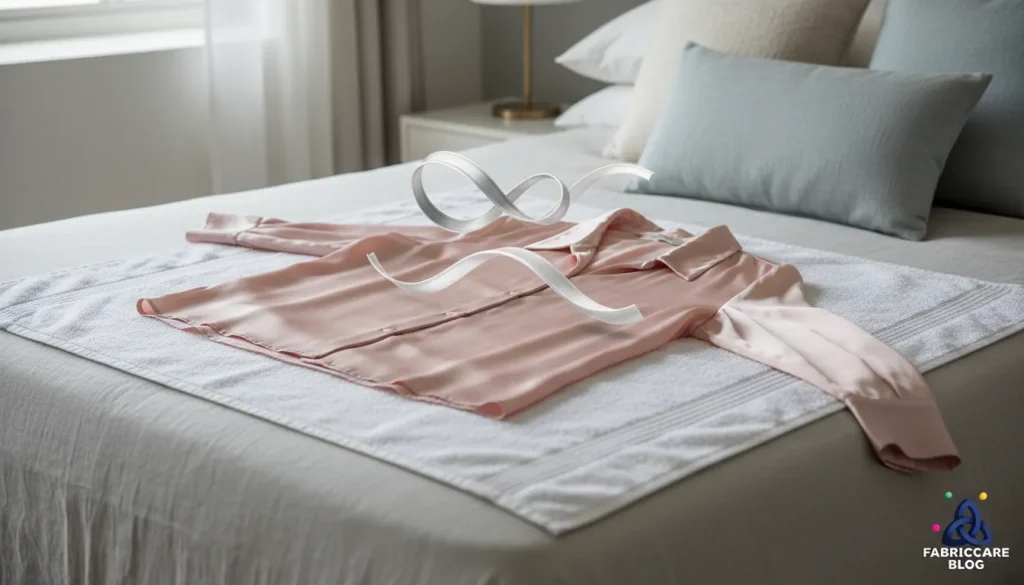
Drying practices must be carefully managed. High-heat drying is especially damaging to wool and often results in shrinkage and distortion. Fabric care emphasizes air drying, ideally with garments laid flat on a towel to maintain shape. Hanging wet wool can stretch fibers and permanently alter fit.
By controlling temperature, reducing agitation, selecting appropriate detergents, and using proper drying methods, wool fabrics remain soft, functional, and durable. Consistent wool care prevents common damage and significantly extends the lifespan of wool garments and textiles.
5. Silk Fabric Care Without Ruining the Texture
Silk is one of the most delicate and luxurious natural fabrics used in clothing and home textiles. Its smooth texture, natural sheen, and lightweight structure make it highly desirable, but these same qualities also make silk extremely sensitive to improper handling. Effective fabric care for silk focuses on preserving fiber integrity while avoiding the stressors that cause stiffness, dullness, or permanent damage.
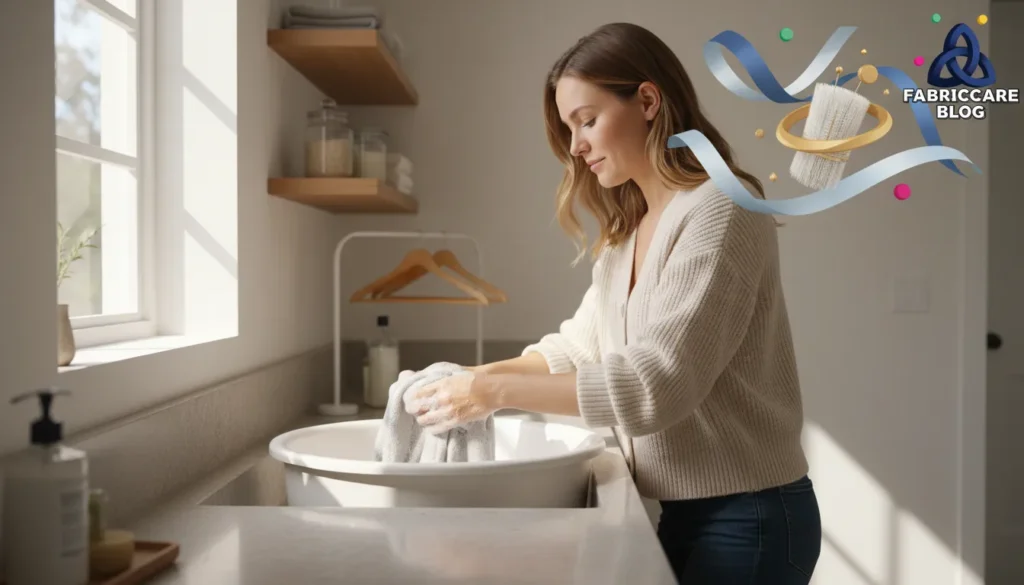
One of silk’s defining characteristics is its sensitivity to water and chemicals. Silk fibers weaken when wet, which makes them vulnerable to stretching, tearing, and texture changes. For this reason, fabric care for silk often minimizes water exposure. When washing is necessary, gentle hand washing in cool water is generally safer than machine washing. Aggressive agitation or prolonged soaking increases the risk of fiber distortion and surface damage.
Detergent selection is critical for silk care. Regular detergents may contain enzymes or alkaline components that break down silk fibers and strip away natural luster. Fabric care practices recommend using mild, silk-specific detergents designed to clean without altering texture. Using small amounts of detergent and rinsing thoroughly prevents residue buildup that can leave silk feeling stiff or rough.
Temperature control is another key factor. Heat damages silk fibers quickly, leading to loss of sheen and structural weakness. Fabric care avoids hot water, high-heat drying, and steam-intensive ironing. Air drying is preferred, with silk laid flat or gently hung away from direct sunlight. Direct heat and prolonged light exposure accelerate fading and fiber degradation.
Handling silk during drying and storage also requires care. Twisting or wringing silk causes creasing and fiber stress that may not fully recover. Fabric care encourages gently pressing excess water out with a towel rather than squeezing. For storage, silk should be kept clean, dry, and protected from light, ideally in breathable fabric covers.
By limiting water exposure, using appropriate detergents, controlling temperature, and handling silk gently, fabric care routines preserve silk’s softness, shine, and elegance over time.
6. Caring for Synthetic Fabrics Like Polyester and Nylon
Synthetic fabrics such as polyester and nylon are widely used in everyday clothing, sportswear, and household textiles because they are durable, lightweight, and resistant to wrinkles. While these materials are generally easier to maintain than many natural fibers, proper fabric care is still essential to prevent long-term issues such as odor retention, pilling, and loss of shape or elasticity.
One of the main advantages of synthetic fabrics is their low absorbency. Polyester and nylon do not absorb water as readily as natural fibers, which helps them dry quickly and resist shrinkage. However, this same property can cause oils, sweat, and odors to cling to the surface of the fibers rather than being absorbed and rinsed away. Fabric care for synthetics focuses on effective but controlled cleaning that removes residues without damaging fiber structure.
Water temperature plays an important role. Synthetic fibers are sensitive to high heat, which can cause melting, warping, or weakening of the material. Fabric care routines recommend washing synthetics in cool or warm water and avoiding hot cycles. Gentle or regular cycles with moderate agitation are usually sufficient, as excessive friction contributes to pilling and surface wear.
Detergent selection should also be intentional. Heavy-duty detergents may leave residue on synthetic fibers, which traps odors and attracts dirt. Fabric care favors mild detergents and accurate dosing to ensure thorough rinsing. Periodic use of extra rinse cycles helps prevent buildup that compromises fabric freshness and performance.
Drying practices are critical for synthetic fabrics. High-heat drying damages fibers and reduces elasticity over time. Fabric care emphasizes air drying or low-heat tumble drying, removing items promptly to prevent heat concentration. Hanging synthetics immediately after drying helps maintain shape and reduces wrinkles.
By controlling heat exposure, minimizing friction, and preventing residue buildup, fabric care routines keep synthetic fabrics clean, comfortable, and functional for extended periods.
7. Blended Fabrics: How to Balance Care Methods
Blended fabrics combine two or more fiber types—most commonly natural and synthetic—to balance comfort, durability, and cost. While blends often offer practical advantages, they also require more thoughtful fabric care because each fiber within the blend reacts differently to water, heat, friction, and cleaning agents. Treating blended fabrics as if they were made from a single material is one of the main reasons these items wear out prematurely.
The primary challenge with blended fabrics is conflicting care requirements. For example, a cotton–polyester blend combines a fiber that absorbs water easily with one that resists moisture but is sensitive to heat. Washing such fabrics in hot water may not severely affect the polyester component, but it can cause the cotton fibers to shrink or weaken. Fabric care for blends prioritizes protecting the most sensitive fiber in the mix rather than optimizing for the strongest one.
Washing temperature and cycle selection are especially important. Moderate or cool water temperatures reduce stress on natural fibers while remaining safe for synthetics. Gentle or regular cycles with controlled agitation help minimize friction that could damage weaker fibers in the blend. Fabric care avoids aggressive cycles unless absolutely necessary for hygiene reasons.
Detergent choice also influences blended fabric performance. Strong detergents may clean one fiber effectively while stripping natural oils or finishes from another. Fabric care favors mild detergents that provide balanced cleaning without overexposing any component fiber to harsh chemicals. Accurate detergent measurement is essential to prevent residue buildup that affects both fibers.
Drying methods should be chosen conservatively. High heat may distort synthetic fibers and accelerate shrinkage in natural ones. Fabric care emphasizes air drying or low-heat tumble drying, removing items promptly to prevent heat concentration and uneven stress.
By selecting care methods that accommodate all fibers involved, blended fabrics maintain their intended balance of comfort and durability. Thoughtful fabric care ensures blends perform well over time without favoring one fiber at the expense of another.

8. Common Fabric Care Mistakes by Fabric Type
Many fabric care problems are not caused by neglect, but by applying the wrong care method to the wrong fabric type. What works well for one material may cause gradual or immediate damage to another. Understanding these common mistakes helps prevent avoidable wear and preserves fabric quality over time.
A frequent mistake with natural fibers such as cotton and linen is using excessively high water temperatures. While hot water may seem effective for cleaning, it accelerates fiber swelling, shrinkage, and color fading in these materials. Fabric care for natural fibers prioritizes moderate temperatures and controlled agitation rather than heat-based cleaning.
With wool, one of the most damaging mistakes is combining heat, moisture, and friction. Machine washing on regular cycles or tumble drying exposes wool fibers to conditions that cause felting and irreversible shrinkage. Fabric care for wool avoids sudden temperature changes and emphasizes gentle cycles or hand washing with appropriate detergents.
Silk fabrics often suffer from chemical misuse. Applying stain removers or regular detergents directly to silk weakens fibers and removes natural sheen. Another common mistake is wringing or twisting silk during drying, which stresses the fibers and alters texture. Fabric care for silk focuses on minimal handling and mild cleaning agents.
Synthetic fabrics are frequently damaged by excessive heat. High-heat washing or drying may not cause immediate visible damage, but repeated exposure deforms fibers, reduces elasticity, and increases pilling. Fabric care for synthetics emphasizes lower temperatures and prompt removal from dryers to avoid heat concentration.
Blended fabrics are often treated as if they were a single fiber type, leading to conflicting stress on different components. Fabric care for blends protects the most sensitive fiber rather than optimizing for durability alone.
By recognizing these fabric-specific mistakes, fabric care routines become more precise and effective, reducing unnecessary damage and extending fabric lifespan.
9. Washing Temperature Guidelines for Different Fabrics
Washing temperature is one of the most decisive factors in fabric care, yet it is often chosen out of habit rather than based on material needs. Different fabrics react to temperature in very specific ways, and using water that is too hot or too cold can reduce cleaning effectiveness or cause long-term damage. Proper fabric care aligns washing temperature with fiber characteristics to balance cleanliness and preservation.
Natural fibers such as cotton and linen generally tolerate moderate temperatures but are sensitive to excessive heat. Warm water may be appropriate for heavily soiled items when hygiene is a concern, but frequent hot washes accelerate shrinkage, fiber weakening, and color fading. Fabric care for these materials typically favors cool to warm temperatures for routine cleaning, reserving hotter washes for occasional use only.
Wool and silk require the most caution. These fibers are highly sensitive to heat and sudden temperature changes. Hot water causes wool fibers to swell and interlock, leading to felting and irreversible shrinkage. Silk fibers weaken significantly when exposed to heat, resulting in loss of sheen and texture. Fabric care guidelines for these materials emphasize cold water washing or professional cleaning methods when appropriate.
Synthetic fabrics such as polyester and nylon tolerate warm water but are vulnerable to high temperatures. Hot water may not cause immediate shrinkage, but repeated exposure deforms fibers and reduces elasticity. Fabric care routines for synthetics recommend cool or warm water, which is sufficient to remove dirt without compromising structure.
Blended fabrics require a conservative approach. Because each fiber component reacts differently to temperature, fabric care prioritizes protecting the most heat-sensitive fiber in the blend. Choosing lower temperatures reduces overall stress and prevents uneven damage.
By selecting washing temperatures intentionally rather than by default, fabric care routines protect fiber integrity, maintain appearance, and extend fabric lifespan.
10. Drying Methods That Protect Each Fabric Type
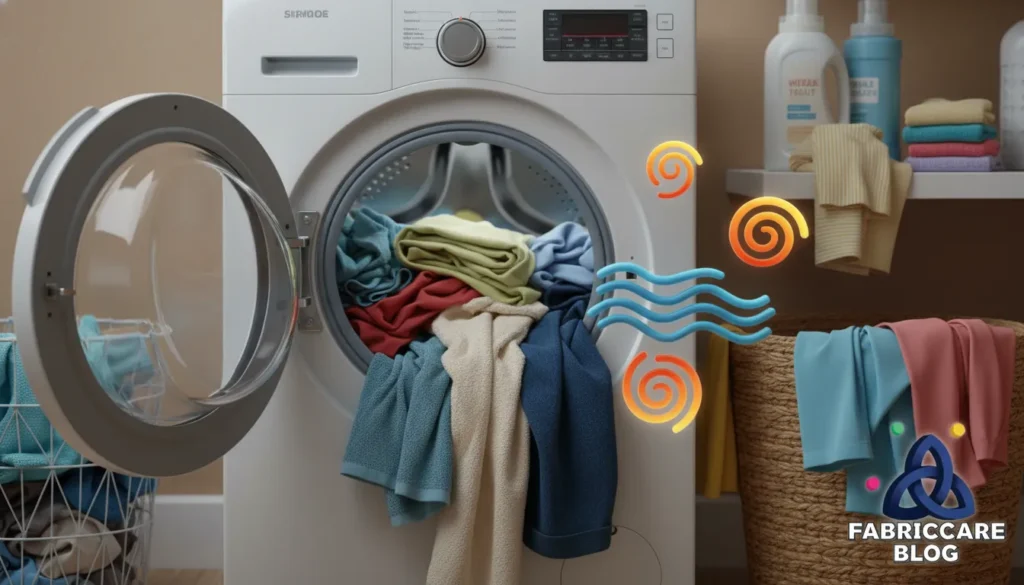
Drying methods have a significant impact on fabric longevity, yet they are often chosen for convenience rather than suitability. Even when washing is done correctly, improper drying can undo careful fabric care by weakening fibers, altering shape, and accelerating wear. Each fabric type responds differently to heat, movement, and gravity during the drying process, making method selection essential.
Natural fibers such as cotton and linen are prone to shrinkage and stiffness when exposed to high heat. Tumble drying on hot settings causes fibers to contract and lose flexibility over time. Fabric care for these materials favors air drying whenever possible or using low to medium heat settings. Removing items while slightly damp and allowing them to finish drying naturally helps preserve softness and shape.
Wool and silk require the most delicate handling during drying. Heat and mechanical movement are particularly damaging to these fibers. Wool garments should be dried flat on a clean surface to prevent stretching and distortion, while silk benefits from gentle air drying away from direct sunlight. Fabric care avoids hanging wet wool or silk, as gravity can permanently alter their shape.
Synthetic fabrics such as polyester and nylon dry quickly but are sensitive to excessive heat. High temperatures deform fibers, reduce elasticity, and increase surface pilling. Fabric care routines recommend low-heat tumble drying or air drying for synthetics, with prompt removal to prevent heat concentration and wrinkling.
Blended fabrics should be dried using methods that protect the most sensitive fiber in the blend. Low heat and minimal movement reduce uneven stress and prevent conflicting reactions between fiber types.
By selecting drying methods intentionally—controlling heat, movement, and drying position—fabric care routines preserve structure, appearance, and comfort across different materials.
11. Storage Tips Based on Fabric Characteristics
Proper storage is a critical but often overlooked part of fabric care, especially because damage caused during storage usually develops slowly and goes unnoticed until it becomes permanent. Different fabrics respond in distinct ways to light, moisture, pressure, and airflow, which means storage methods must be adapted to fabric characteristics rather than applied uniformly.
Natural fibers such as cotton and linen benefit from breathable storage conditions. These materials allow air circulation, which helps prevent moisture buildup and odors. Fabric care for cotton and linen avoids airtight plastic containers for long-term storage, as trapped humidity can weaken fibers and encourage mildew. Instead, breathable fabric bags or well-ventilated closets support long-term preservation.
Wool requires special attention during storage. Wool fibers are attractive to insects and sensitive to prolonged compression. Fabric care recommends storing wool items clean, dry, and folded loosely to prevent stretching. Breathable covers and natural repellents help protect fibers without introducing harsh chemicals that may damage texture or scent over time.
Silk fabrics are highly sensitive to light and pressure. Extended exposure to light causes fading and fiber degradation, while tight folding creates permanent creases. Fabric care for silk emphasizes storage in dark, dry spaces using padded hangers or soft tissue layers to reduce stress points. Breathable garment bags offer protection while allowing airflow.
Synthetic fabrics are generally more resilient but still benefit from thoughtful storage. Prolonged compression can cause creasing and shape distortion, especially in blended materials. Fabric care routines encourage light folding and avoiding heavy stacking to preserve structure.
By matching storage methods to fabric characteristics—controlling airflow, light exposure, moisture, and pressure—fabric care routines prevent slow, cumulative damage and help fabrics retain quality during periods of non-use.

12. How to Extend Fabric Life by Matching Care to Material
Extending fabric life is not about applying more effort, stronger products, or more frequent cleaning, but about aligning care practices with the specific material characteristics of each fabric. When fabric care methods are matched correctly to fiber type and structure, wear slows down naturally and materials maintain their original performance for much longer periods.
One of the most effective strategies is reducing unnecessary stress. Fabrics deteriorate primarily through repeated exposure to heat, moisture, friction, and chemicals. By understanding which of these factors affects a particular fabric the most, fabric care routines can be adjusted to minimize damage. For example, heat-sensitive materials benefit from cooler washing and air drying, while fabrics prone to friction damage last longer when washed separately on gentle cycles.
Consistency is another key factor. Occasional correct care does not offset repeated improper handling. Fabric care that is applied consistently—using the same appropriate temperatures, detergents, and drying methods—creates a stable environment for fibers. This stability reduces cumulative stress and prevents gradual weakening that often goes unnoticed until damage becomes visible.
Matching care to material also involves recognizing when less intervention is better. Some fabrics maintain quality through airing, brushing, or light spot cleaning rather than frequent full washes. Over-cleaning introduces unnecessary wear, even when done gently. Fabric care emphasizes selecting the least invasive method that achieves cleanliness while preserving fiber integrity.
Storage decisions reinforce this alignment. Materials sensitive to light, moisture, or compression require protective storage methods that reflect their vulnerabilities. Fabric care that extends into storage ensures that fabrics do not degrade while not in use.
Ultimately, extending fabric life depends on informed, material-specific decisions. When care methods respect how each fabric is constructed and used, fabrics remain functional, comfortable, and visually acceptable for significantly longer periods.