

1. Detergent Types Explained: Why the Right Choice Matters
Understanding detergent differences is essential for effective fabric care, which is why Detergent Types Explained starts with choosing the right product for your laundry needs. Detergents are formulated differently to handle soil, water temperature, and fabric sensitivity, and using the wrong type can affect both cleaning results and fabric condition over time.
Each detergent type interacts with fabrics in a specific way. Some are designed to dissolve quickly in cold water, while others perform better with warmer temperatures. Choosing a detergent that matches your washing habits helps ensure dirt and oils are removed efficiently without leaving residue or stressing fibers unnecessarily.
The right detergent also supports fabric longevity. Harsh formulations or excessive cleaning power can weaken fibers, fade colors, and reduce softness. On the other hand, detergents that are too mild may not clean effectively, leading to repeated washing and increased wear. Balancing cleaning strength with fabric care is key to maintaining garment quality.

Water conditions play a role as well. In areas with hard water, certain detergents may struggle to dissolve properly, while others are formulated to handle mineral content more effectively. Selecting the appropriate detergent type helps prevent buildup in fabrics and washing machines, improving overall performance.
Detergent choice also affects washing efficiency. Using a detergent that works well with your machine type and typical load size improves rinsing and reduces the need for extra cycles. This saves time, water, and energy while keeping clothes clean and comfortable.
By understanding why detergent choice matters, Detergent Types Explained becomes a practical guide rather than a technical discussion. Making informed detergent decisions helps protect fabrics, improve washing results, and create more consistent laundry routines over time.
2. Liquid Detergents: Pros, Cons, and Best Uses
Liquid detergents are one of the most commonly used options in modern laundry routines, and understanding their strengths helps clarify Detergent Types Explained. Their formulation allows them to dissolve quickly in water, making them especially effective in cold and short wash cycles.
One of the main advantages of liquid detergent is versatility. It works well across a wide range of fabrics and water temperatures. Because it dissolves easily, liquid detergent reduces the risk of residue on clothes, which is particularly helpful for dark fabrics and quick washes. It is also convenient for pre-treating stains, as it can be applied directly to the affected area before washing.
Liquid detergents are often well-suited for everyday loads with light to moderate soil. They perform reliably in high-efficiency machines that use less water, helping detergent distribute evenly throughout the load. Many people find liquid detergent easy to measure and adjust based on load size.
However, liquid detergent also has some drawbacks. It is easy to overuse, which can lead to buildup on fabrics and inside the washing machine. Excess detergent may trap odors, reduce breathability, and make clothes feel stiff over time. Measuring carefully is essential to avoid these issues.
Another consideration is storage and spills. Liquid detergent containers can be messy if not handled carefully, and leaks are more common compared to powder or pod formats. While this does not affect cleaning performance, it can be inconvenient for daily use.
Liquid detergents work best when used with proper measuring and appropriate load sizes. When chosen intentionally, they support Detergent Types Explained by offering flexible, effective cleaning while maintaining fabric comfort and appearance over repeated washes.
3. Powder Detergents: When They Work Best
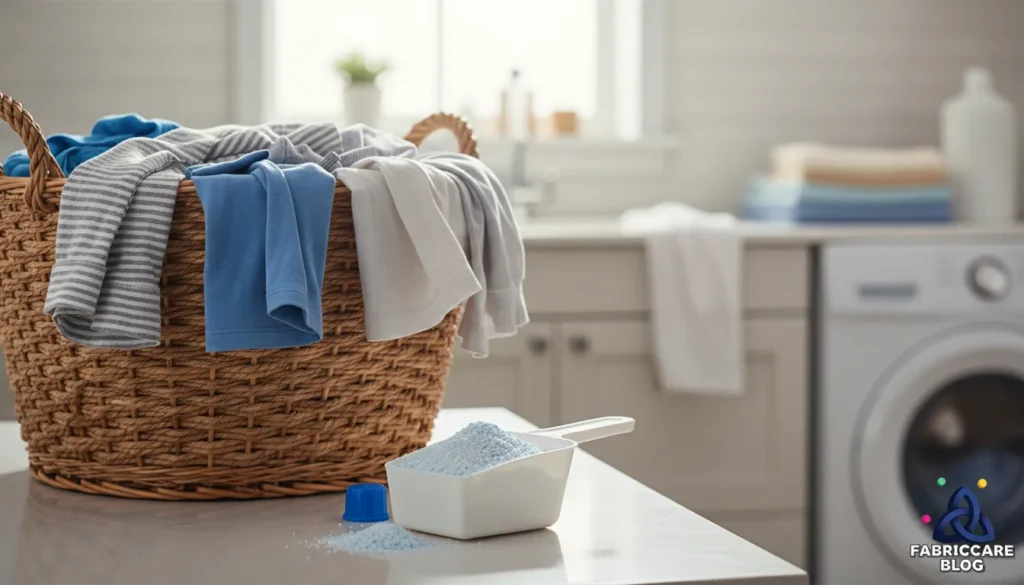
Powder detergents remain a practical option in many laundry routines, and understanding their strengths helps complete the picture in Detergent Types Explained. These detergents are formulated to handle everyday soil effectively, especially when washing larger or more durable loads.
One of the main advantages of powder detergent is its stability and shelf life. Because it contains less moisture than liquid detergent, powder tends to store well over time without separating or degrading. This makes it a cost-effective choice for households that wash frequently or prefer buying in larger quantities.
Powder detergents often perform best in regular or warm water washes. They are particularly effective at removing everyday dirt and odors from sturdy fabrics such as cottons, towels, and bedding. When water temperature and load size are appropriate, powder detergent distributes evenly and cleans thoroughly.
However, powder detergent may be less suitable for cold water washing or overloaded machines. In these situations, it may not dissolve completely, leaving visible residue on clothes or inside the washer. This issue is more noticeable on dark fabrics and in machines that use very low water levels.
Water quality also affects performance. In areas with hard water, some powder detergents may struggle to dissolve fully. Choosing a formulation designed for mineral-rich water or ensuring proper load size can help reduce this problem.
Powder detergents work best when matched with the right conditions. When used with suitable water temperature, proper measuring, and appropriate loads, they support Detergent Types Explained by offering reliable cleaning while remaining gentle on durable fabrics over time.

4. Detergent Pods and Capsules Explained
Detergent pods and capsules are designed for convenience, making them a popular option in modern laundry routines and an important part of Detergent Types Explained. These single-dose products contain pre-measured detergent sealed in a dissolvable film, reducing the need for measuring and guesswork.
One clear advantage of pods is consistent dosing. Because each pod contains a fixed amount of detergent, the risk of using too much or too little is reduced. This helps prevent detergent buildup on fabrics and inside the washing machine, which can happen easily with liquid or powder detergents when measurements are estimated.
Pods work best in standard-sized loads where there is enough water and movement for the casing to dissolve completely. When used correctly, they clean effectively across a range of fabrics and soil levels. Many pods are formulated to perform well in cold water, making them suitable for energy-efficient washing routines.
There are also limitations to consider. Pods may not dissolve properly in very small loads, heavily overloaded machines, or extremely short wash cycles. In these cases, the detergent film may leave residue on clothes, reducing cleaning effectiveness and causing visible spots on fabric surfaces.
Another consideration is flexibility. Because pods are pre-measured, adjusting detergent amount for unusually small or heavily soiled loads is difficult. This makes pods less adaptable than liquid or powder detergents in certain situations.
When used under the right conditions, detergent pods offer a simple and reliable option. Understanding their strengths and limitations helps Detergent Types Explained guide better choices, ensuring convenience does not come at the expense of fabric care or washing performance.
5. High-Efficiency Detergents and Modern Washing Machines
High-efficiency detergents are specifically formulated to work with modern washing machines, making them an essential part of Detergent Types Explained. These detergents are designed for machines that use less water and rely on precise detergent action rather than heavy dilution.
One key feature of high-efficiency detergents is low sudsing. Traditional detergents create large amounts of foam, which can interfere with proper rinsing in low-water machines. High-efficiency formulas clean effectively with fewer suds, allowing water and detergent to circulate properly through the load.
Using the correct detergent is important for machine performance. High-efficiency machines depend on accurate detergent amounts to maintain balance and cleaning efficiency. Using non–high-efficiency detergent in these machines may lead to residue buildup, poor rinsing, and reduced cleaning results over time.
High-efficiency detergents also support fabric care. Because they rinse more cleanly, fabrics are less likely to retain detergent residue that can cause stiffness or irritation. This is especially helpful for frequently washed garments and sensitive fabrics.
Another benefit is resource efficiency. These detergents are concentrated and require smaller amounts per load, which reduces product use and packaging waste. When measured correctly, they support consistent washing results while minimizing excess product buildup.
Understanding how high-efficiency detergents work helps complete the picture in Detergent Types Explained. Matching detergent type to machine design improves cleaning performance, protects fabrics, and helps modern washing machines operate as intended over time.

6. Choosing the Right Detergent for Fabric Types
Choosing the right detergent for different fabric types is a key part of applying Detergent Types Explained in real laundry situations. Fabrics vary in fiber structure, sensitivity, and soil absorption, and detergent choice can either protect or stress these materials over time.
Durable fabrics, such as cotton, denim, and towels, generally tolerate standard liquid or powder detergents well. These materials can handle regular cleaning strength without immediate damage, especially when washed at appropriate temperatures and cycles. For these fabrics, effectiveness and proper measuring matter more than using specialty formulas.
Synthetic fabrics, including polyester and nylon, benefit from detergents that rinse cleanly and do not leave residue. Liquid detergents and high-efficiency formulas often work well because they dissolve easily and reduce buildup that can make synthetics feel stiff or hold odors. Avoiding excessive detergent is especially important with these materials.
Delicate fabrics, such as wool, silk, and fine knits, require gentler detergent options. Mild liquid detergents or products labeled for delicate use help protect fiber structure and prevent surface damage. Harsh detergents or strong bleaching agents can quickly weaken these fabrics and alter their texture.
Blended fabrics need extra consideration because they combine fibers with different tolerances. Choosing a detergent that is safe for the most sensitive fiber in the blend reduces risk. In many cases, using a mild detergent and gentler wash settings provides the best balance between cleanliness and fabric care.
By matching detergent type to fabric characteristics, Detergent Types Explained becomes a practical guide rather than a general overview. Thoughtful detergent selection helps maintain fabric comfort, appearance, and durability through repeated washing.
7. Detergents for Cold, Warm, and Hot Water Washing
Water temperature plays a major role in how detergents perform, which makes temperature an important factor in Detergent Types Explained. Not all detergents behave the same way in cold, warm, and hot water, and matching detergent type to temperature improves cleaning results while protecting fabrics.
For cold water washing, detergents must dissolve and activate quickly without heat. Liquid detergents and many modern high-efficiency formulas are designed for this purpose. They work well at lower temperatures, helping remove everyday soil while preserving color and fabric integrity. Using detergents not suited for cold water may result in incomplete cleaning or residue on clothes.
Warm water washing offers more flexibility. Most detergent types—liquid, powder, and pods—perform reliably in warm water because moderate heat helps detergent dissolve and spread evenly. Warm water can improve the removal of body oils and light grease, making it suitable for regular loads when fabric tolerance allows.
Hot water washing places greater demands on detergent and fabric care. While heat can improve cleaning strength for heavily soiled items, it also increases the risk of residue buildup and fabric damage. Detergents used in hot water should be measured carefully, as excess product can bind more strongly to fibers at higher temperatures.
It is also important to consider detergent formulation. Some detergents are specifically labeled for cold-water use, while others are designed to perform across a range of temperatures. Checking detergent packaging helps ensure compatibility with your usual washing habits.
Matching detergent type to water temperature helps Detergent Types Explained translate into better laundry outcomes. When detergent and temperature work together, clothes come out cleaner, fabrics experience less stress, and washing routines become more consistent and efficient.

8. Scented vs. Unscented Detergents
Scented and unscented detergents differ mainly in added fragrances, but this difference can significantly affect comfort and fabric care, making it an important part of Detergent Types Explained. Choosing between them depends on personal preference, fabric sensitivity, and how clothes are used.
Scented detergents contain fragrance compounds designed to leave clothes smelling fresh after washing. Many people enjoy this effect, especially for everyday clothing, bedding, and towels. However, fragrance does not improve cleaning performance. Its role is purely sensory, and stronger scents do not indicate better washing results.
For some fabrics and users, scented detergents may cause issues. Fragrance residue can cling to fibers, especially in synthetic materials, and may be difficult to rinse out completely. Over time, this buildup can affect fabric feel or trap odors rather than eliminate them.
Unscented detergents are formulated without added fragrance and are often labeled for sensitive skin. These detergents focus solely on cleaning and rinsing efficiency. They are a practical choice for people with skin sensitivities, allergies, or households washing baby clothes and undergarments.
Unscented options also help with odor control in the long term. Without fragrance masking smells, it is easier to tell whether clothes are truly clean. This can prevent repeated washing and reduce detergent buildup caused by compensating with stronger scents.
Understanding the difference between scented and unscented detergents helps Detergent Types Explained guide more comfortable laundry choices. Selecting the right option improves fabric feel, reduces irritation risk, and supports consistent washing habits without unnecessary additives.
9. Detergents for Sensitive Skin and Everyday Use
Choosing detergents for sensitive skin is an important consideration within Detergent Types Explained, especially for households where comfort matters as much as cleanliness. Skin sensitivity can be affected by detergent residue, fragrance, and added chemicals that remain in fabrics after washing.
Detergents labeled for sensitive skin are typically formulated without added fragrances and dyes. These products focus on effective cleaning while minimizing ingredients that may cause irritation. For everyday clothing that stays in close contact with the skin, such as underwear, sleepwear, and children’s clothes, these detergents offer a gentler option.
Rinsing performance is a key factor for sensitive skin. Detergents that rinse cleanly reduce the chance of residue being left behind in fabric fibers. High-efficiency and liquid detergents often perform well in this area when measured correctly, helping clothes feel softer and more comfortable after washing.
For everyday use, balance matters. A detergent that is too mild may not clean effectively, leading to repeated washing and increased fabric wear. Sensitive-skin detergents designed for regular use aim to provide enough cleaning power without relying on harsh additives.
It is also helpful to consider washing habits alongside detergent choice. Using appropriate water temperature, avoiding overloading, and measuring detergent carefully all contribute to reducing residue and skin irritation. Even the best detergent can cause discomfort if used excessively.
By selecting detergents suited for sensitive skin and everyday wear, Detergent Types Explained becomes a practical guide for comfort-focused laundry care. The right choice supports clean clothes, fabric softness, and a more comfortable experience over time.

10. Common Detergent Mistakes That Affect Washing Results
Many laundry issues are caused not by the washing machine itself, but by repeated detergent mistakes, which is why they deserve attention in Detergent Types Explained. Small errors in how detergent is chosen or used can reduce cleaning effectiveness and gradually damage fabrics.
One of the most common mistakes is using too much detergent. Adding extra detergent does not make clothes cleaner. Instead, it often leaves residue behind that traps dirt and odors, making fabrics feel stiff or dull. Over time, buildup can also affect washing machine performance.
Another frequent issue is using the wrong detergent type for the machine. High-efficiency machines require low-sudsing detergents to rinse properly. Using standard detergent in these machines can lead to poor rinsing and residue on clothes, even if the wash cycle finishes normally.
Mismatching detergent and water temperature is another problem. Some detergents dissolve poorly in cold water or perform best at specific temperatures. Using a detergent outside its intended range may result in incomplete cleaning or visible residue on fabrics.
Ignoring fabric needs is also a common mistake. Using strong detergents on delicate fabrics can weaken fibers and damage surface texture. On the other hand, using very mild detergents for heavily soiled items may require repeated washing, increasing wear over time.
Finally, estimating instead of measuring detergent leads to inconsistent results. Measuring detergent based on load size and soil level improves rinsing and helps maintain fabric quality. Consistency is key to achieving reliable washing outcomes.
By avoiding these common mistakes, Detergent Types Explained becomes a practical guide to better laundry habits. Correct detergent use improves cleaning results, protects fabrics, and supports more efficient, predictable washing routines.
11. How Much Detergent to Use Based on Type
Using the correct amount of detergent is just as important as choosing the right type, which is why this step completes an essential part of Detergent Types Explained. The amount of detergent directly affects cleaning results, fabric feel, and residue buildup over time.
Liquid detergents are easy to overuse because they pour quickly and often come with large caps. For most regular loads, using less than the maximum line on the cap is usually enough. Measuring according to load size and soil level helps prevent residue that can make fabrics feel stiff or attract odors.
Powder detergents should be measured carefully as well. Too little may lead to under-cleaning, while too much can leave visible residue, especially in cold water washes. Powder works best when matched to appropriate water temperature and properly distributed in the drum or detergent drawer.
Detergent pods and capsules simplify measuring because they are pre-dosed. One pod is typically enough for a standard load. Using more than one pod for regular laundry often leads to excess detergent and poor rinsing, rather than improved cleaning.
For high-efficiency detergents, smaller amounts are required due to their concentrated formulas. Using more than recommended can quickly cause buildup in both fabrics and machines. High-efficiency machines perform best when detergent is measured precisely.
Adjusting detergent amount based on load size, soil level, and detergent format helps Detergent Types Explained translate into better washing habits. Accurate measuring improves rinsing, protects fabrics, and keeps laundry routines consistent and effective.

Building a Simple Routine Using the Right Detergent
Creating a simple detergent routine helps turn Detergent Types Explained into consistent daily practice. When detergent choices become part of a predictable system, laundry decisions are faster, mistakes are reduced, and fabrics receive more reliable care.
The first step in building a routine is standardizing your default choice. Many households benefit from selecting one primary detergent type for most loads, such as a liquid or high-efficiency detergent that works well in cold water. This reduces guesswork and limits unnecessary switching between products.
Next, it helps to define clear exceptions. Delicate fabrics, heavily soiled items, or sensitive-skin laundry may require a different detergent. Keeping these options clearly labeled and stored separately makes it easier to choose the right product without hesitation.
Consistency in measuring detergent is another key habit. Using the same measuring tool and following the same guidelines for load size prevents overuse and residue buildup. Over time, this improves fabric feel and reduces washing machine maintenance issues.
A good routine also includes periodic evaluation. If clothes consistently come out clean, soft, and free of residue, the detergent routine is working. If problems appear, small adjustments—such as reducing detergent amount or switching formats—are often enough to correct them.
By building a simple, repeatable detergent routine, Detergent Types Explained becomes a practical system rather than isolated information. This approach supports cleaner clothes, longer fabric life, and more confident laundry habits over time.