1. What Makes Fabrics Delicate in the First Place
Understanding delicate fabrics care mistakes starts with knowing what actually makes a fabric delicate. Many people associate delicacy only with thin or expensive materials, but delicacy is not defined by appearance alone. A fabric is considered delicate when its fibers, structure, or finish are especially sensitive to heat, moisture, friction, chemicals, or mechanical stress. When these sensitivities are ignored, damage occurs gradually or suddenly, often without obvious warning signs at first.
One of the main factors that makes a fabric delicate is fiber structure. Delicate fabrics often have fine, short, or loosely bound fibers that lack the resilience of more robust materials. These fibers may break, stretch, or distort more easily under stress. Fabrics with smooth surfaces, such as those with a soft finish or refined weave, are particularly vulnerable because friction disrupts their surface quickly. Recognizing these characteristics helps explain why delicate fabrics care mistakes are so common in everyday laundry routines.

Another important factor is how fibers react to moisture. Some delicate fabrics weaken significantly when wet, making them prone to tearing, stretching, or losing shape during washing. When combined with agitation, this weakness becomes more pronounced. Even gentle wash cycles can cause damage if water exposure is prolonged or poorly controlled. Understanding moisture sensitivity is essential to avoiding delicate fabrics care mistakes that shorten fabric lifespan.
Heat sensitivity also plays a major role. Delicate fabrics often have a narrow temperature tolerance. Exposure to warm or hot water, high-heat drying, or steam can alter fiber structure permanently. These changes may include stiffness, loss of elasticity, or surface dullness. Because heat damage accumulates over time, many people do not realize the harm until fabrics visibly deteriorate. This delayed effect is one reason delicate fabrics care mistakes frequently go unnoticed.
Chemical exposure further contributes to fabric delicacy. Strong detergents, stain removers, and fabric treatments can strip protective finishes or weaken fibers. Delicate fabrics often require minimal chemical intervention, yet they are commonly exposed to the same products used for heavy-duty laundry. This mismatch accelerates wear and compromises texture.
Finally, construction and design influence delicacy. Fabrics with loose weaves, decorative elements, or specialized finishes are inherently more fragile. When these materials are treated like everyday fabrics, stress concentrates in vulnerable areas, leading to damage.
In essence, fabrics are delicate because they demand compatibility between material and care. Understanding what makes a fabric delicate is the foundation for preventing delicate fabrics care mistakes and preserving fabric quality over time.
2. The Most Common Delicate Fabrics Care Mistakes
Delicate fabrics are often damaged not by neglect, but by everyday habits that seem harmless. Many delicate fabrics care mistakes happen because people treat these materials the same way they treat regular clothing, assuming that gentle cycles alone are enough. In reality, delicacy requires a combination of correct handling, timing, and restraint at every stage of care.
One of the most common mistakes is washing delicate fabrics too frequently. Delicate fibers weaken faster than sturdier materials, and repeated exposure to water and agitation accelerates this process. Many garments labeled as delicate do not need full washing after every wear. Airing them out or spot-cleaning minor areas often preserves the fabric far better than frequent machine washing.
Another widespread mistake involves overloading the washing machine. When delicate items are washed in crowded loads, friction increases significantly. Fabrics rub against heavier garments, zippers, and seams, causing surface abrasion, stretching, and fiber breakage. This type of damage is gradual and often goes unnoticed until the fabric looks worn or misshapen.
Incorrect detergent use is also a major contributor to delicate fabrics care mistakes. Strong detergents formulated for heavy soils strip fibers of protective finishes and leave residues that stiffen delicate materials. Using too much detergent worsens the problem, as residues become harder to rinse away and remain trapped in fragile fibers.
Temperature misjudgment is another frequent issue. Even warm water can be too aggressive for certain delicate fabrics. Heat weakens fibers and increases the risk of distortion, especially when combined with agitation. Many people assume that if water feels comfortable to the touch, it is safe, but delicate fabrics often require cooler temperatures to remain stable.
Finally, improper handling during drying causes avoidable damage. Wringing, hanging heavy wet garments, or using high-heat drying leads to stretching and shape loss. Delicate fabrics benefit from minimal movement and gentle drying methods.
Recognizing these common delicate fabrics care mistakes is a crucial step toward preventing long-term damage and maintaining fabric quality at home.
3. How Heat Damages Delicate Fibers
Heat is one of the most damaging factors for delicate fabrics, yet it is often underestimated in daily care routines. Many people associate heat damage only with extreme temperatures, but even moderate heat can gradually weaken delicate fibers. Understanding how heat interacts with fragile materials is essential to avoiding long-term damage and reducing delicate fabrics care mistakes.
Delicate fibers often have a limited tolerance to temperature changes. When exposed to warm or hot water, these fibers expand and lose structural stability. As the fabric dries and cools, fibers contract unevenly, which leads to distortion, stiffness, and loss of elasticity. Over time, repeated exposure to heat causes cumulative damage that cannot be reversed. This process explains why delicate garments may feel rougher or look misshapen after several washes, even if no single wash seemed problematic.
Heat during drying is particularly harmful. High-heat tumble drying accelerates moisture evaporation, forcing fibers to contract rapidly. Delicate fabrics cannot adapt to this sudden change, resulting in fiber breakage or permanent shape loss. Even short drying cycles at high temperatures can significantly reduce fabric lifespan. This is why air drying or low-heat drying is strongly recommended for delicate items.
Ironing and steaming also contribute to heat-related damage when not carefully controlled. Direct contact with a hot iron can flatten fibers, damage surface finishes, or leave permanent marks. Steam, while often considered gentler, still introduces heat and moisture simultaneously, which is a risky combination for fragile materials. Without proper temperature control and protective layers, ironing becomes another source of delicate fabrics care mistakes.
By limiting heat exposure at every stage—washing, drying, and ironing—delicate fibers retain their strength and texture for much longer. Recognizing how heat damages delicate fibers allows care routines to be adjusted, protecting fabrics from slow but inevitable deterioration.
4. Friction and Agitation: The Silent Destroyers
Friction and agitation are among the most overlooked causes of damage to delicate fabrics. Unlike heat or chemical damage, which often shows visible signs quickly, friction-related damage happens slowly and accumulates over time. Because the effects are gradual, many delicate fabrics care mistakes linked to friction go unnoticed until the fabric has already lost its original texture, strength, or shape.
Delicate fabrics typically have fine fibers or loosely bound structures that do not tolerate repeated rubbing well. During washing, agitation causes fabrics to move, twist, and press against other garments, seams, buttons, and zippers. Each of these contact points creates micro-level stress on the fibers. While a single wash may not cause visible harm, repeated exposure gradually weakens fibers, leading to thinning, fuzzing, and eventual breakage.
The problem becomes more severe when delicate items are washed with heavier garments. Denim, towels, and thick cotton fabrics absorb more water and become heavier during washing. As they move, they exert additional force on lighter, more fragile fabrics. This imbalance increases friction and accelerates wear. Understanding this interaction is key to avoiding delicate fabrics care mistakes that shorten garment lifespan.
Agitation speed also plays a role. Fast or aggressive wash cycles increase fabric movement, amplifying friction at every contact point. Even cycles labeled as “normal” may be too intense for truly delicate materials. Choosing gentle or delicate cycles reduces movement and limits fiber stress, helping fabrics maintain their structure.
Friction damage does not stop after washing. High-speed spin cycles and tumble drying further expose fabrics to rubbing and impact. Reducing spin speed and minimizing dryer use significantly lowers cumulative friction.
By controlling agitation, separating loads, and choosing appropriate cycles, friction-related damage can be minimized. Recognizing friction and agitation as silent destroyers helps prevent common delicate fabrics care mistakes and preserves fabric quality over time.
5. Detergents and Chemicals That Harm Delicate Fabrics
Detergents and cleaning chemicals are designed to remove dirt and oils, but when used incorrectly they become a major source of damage for delicate fabrics. Many delicate fabrics care mistakes happen because people assume that stronger products or larger quantities will produce better cleaning results. For fragile materials, the opposite is usually true.
Delicate fabrics often have fine fibers or protective surface finishes that are easily stripped by harsh detergents. Products formulated for heavy soils may contain strong surfactants, enzymes, or bleaching agents that break down these fibers over time. Even when no immediate damage is visible, repeated exposure weakens fabric structure and leads to dullness, stiffness, and loss of softness.
Overuse of detergent is another common issue. Using more detergent than necessary does not improve cleanliness; instead, it increases residue buildup. Delicate fabrics have difficulty releasing these residues during rinsing, especially when washed in crowded loads or short cycles. Trapped detergent particles stiffen fibers and attract dirt, accelerating wear. This residue-related damage is a frequent but overlooked example of delicate fabrics care mistakes.
Stain removers and fabric treatments can be particularly harmful. Many contain concentrated chemicals intended for durable fabrics, and applying them directly to delicate materials creates localized stress. Fibers weaken in treated areas, leading to thinning, discoloration, or tearing. Even products labeled as “gentle” should be tested carefully and used sparingly on fragile fabrics.
Fabric softeners also present risks. While they may temporarily improve feel, they often coat fibers with residues that reduce breathability and interfere with moisture regulation. Over time, this coating alters fabric behavior and contributes to long-term degradation.
Choosing mild detergents, measuring accurately, and minimizing chemical exposure are essential steps in protecting delicate fabrics. Reducing reliance on strong products helps prevent common delicate fabrics care mistakes and preserves fabric quality over time.
6. Why Delicate Fabrics Should Not Be Overwashed
Overwashing is one of the most underestimated causes of damage to delicate fabrics. Many people believe that frequent washing keeps garments fresh and extends their usability, but for fragile materials, excessive washing accelerates wear. Understanding why overwashing is harmful helps prevent common delicate fabrics care mistakes and preserves fabric integrity over time.
Delicate fabrics weaken with each wash cycle. Water exposure, even in gentle cycles, causes fibers to swell and relax temporarily. When this process is repeated too often, fibers lose their ability to recover fully, leading to thinning, stretching, and surface distortion. Unlike durable fabrics, delicate materials are not designed to withstand constant mechanical stress, making frequency a critical factor in their care.
Another issue with overwashing is cumulative chemical exposure. Each wash introduces detergents and cleaning agents that interact with fibers. Even mild detergents contribute to gradual degradation when fabrics are washed too frequently. Residues may also build up in delicate fibers, stiffening the material and reducing softness. These effects often appear slowly, which is why overwashing-related delicate fabrics care mistakes are easy to overlook.
Moisture and heat exposure also compound the problem. Repeated washing increases the likelihood that fabrics will be exposed to unfavorable conditions, such as temperature fluctuations or imperfect drying. Over time, this leads to loss of shape, fading, and weakened seams, even when care instructions are followed most of the time.
Reducing wash frequency does not mean compromising hygiene. Many delicate garments benefit from airing out between wears, spot cleaning small areas, or using fabric refresh methods that avoid full washing. These alternatives significantly reduce stress on fibers while keeping fabrics wearable.
By washing delicate fabrics only when truly necessary, care routines become less invasive and more sustainable. Avoiding overwashing is a practical way to reduce delicate fabrics care mistakes and extend the life of fragile materials.
7. Damage Caused by Incorrect Spin Cycles
Spin cycles play a crucial role in removing excess water from fabrics, but when set incorrectly, they become a significant source of damage for delicate materials. Many delicate fabrics care mistakes occur because spin speed is treated as a minor detail, even though it directly affects fiber stress, shape retention, and fabric lifespan.
Delicate fabrics are especially vulnerable to high spin speeds. During spinning, centrifugal force pulls water—and the fabric itself—outward with intensity. For fragile fibers, this force stretches and twists the material beyond its tolerance. Over time, repeated exposure to fast spin cycles causes thinning, distortion, and loss of elasticity. Seams and decorative elements are often the first areas to show damage because stress concentrates at these points.
Another issue is fabric entanglement. High spin speeds cause garments to wrap tightly around each other, increasing friction and pressure. Delicate items caught in this movement experience uneven stress, which leads to stretching in some areas and compression in others. These effects are subtle at first but become permanent with repeated washing, making incorrect spin settings a common but hidden source of delicate fabrics care mistakes.
Water retention also matters. While it may seem counterintuitive, removing too much water too quickly is harmful for delicate fabrics. Rapid water extraction forces fibers to contract abruptly, disrupting their natural structure. Lower spin speeds allow water to drain more gradually, reducing internal stress and helping fabrics maintain their original shape.
Choosing the correct spin cycle does not require sacrificing cleanliness. Gentle or low-spin settings are usually sufficient for delicate items and significantly reduce mechanical damage. When combined with careful washing and drying practices, appropriate spin cycles help prevent long-term damage.
By understanding how spin cycles affect delicate fabrics, care routines can be adjusted to avoid unnecessary stress. Correct spin settings are a practical way to reduce delicate fabrics care mistakes and preserve fabric quality over time.
8. Stretching and Shape Loss During Washing
Stretching and shape loss are common forms of damage in delicate fabrics, and they often occur without immediate visibility. Many delicate fabrics care mistakes stem from misunderstanding how fragile materials behave when wet and under mechanical stress. Once a fabric loses its original shape, recovery is difficult or impossible, making prevention essential.
Delicate fabrics are especially vulnerable to stretching when wet because moisture weakens fiber bonds. When fibers absorb water, they become more flexible and less able to resist tension. During washing, this weakened state combines with movement, gravity, and centrifugal force, causing fabrics to elongate or deform. Hanging wet delicate garments or allowing them to twist inside the washing machine intensifies this effect.
Improper handling during removal from the washer is another contributor. Pulling garments from tight spaces, wringing out excess water, or lifting heavy wet fabrics from one point places uneven stress on fibers. This stress stretches some areas more than others, leading to asymmetrical distortion. Over time, repeated handling mistakes accumulate, making stretching-related delicate fabrics care mistakes increasingly visible.
Wash cycle selection also influences shape retention. Even moderate agitation can cause delicate fabrics to stretch if cycles are too long or spin speeds are too high. Gentle cycles with shorter durations reduce the time fabrics spend under stress. Supporting garments inside laundry bags further limits movement and helps maintain shape.
Drying choices play a role as well. Hanging delicate items while wet allows gravity to pull fibers downward, permanently elongating the fabric. Laying garments flat to dry distributes weight evenly and prevents unwanted stretching. This method is especially important for knit or loosely woven delicate fabrics.
By understanding how washing conditions contribute to stretching and shape loss, care routines can be adjusted to protect fabric structure. Avoiding these delicate fabrics care mistakes preserves fit, appearance, and usability over time.
9. Drying Errors That Ruin Delicate Fabrics
Drying is one of the stages where delicate fabrics suffer the most irreversible damage, largely because errors at this point are often underestimated. Many delicate fabrics care mistakes occur after washing is finished, when attention drops and convenience takes priority over fabric needs. Unfortunately, improper drying can undo all the care taken during washing.
One of the most damaging errors is exposing delicate fabrics to high heat. Tumble dryers on medium or high settings cause fibers to contract rapidly, leading to stiffness, shrinkage, and surface distortion. Delicate fibers lack the resilience to adapt to sudden temperature changes, and repeated exposure weakens their structure over time. Even short dryer cycles can cause cumulative damage that becomes visible only after several washes.
Mechanical stress during drying is another major issue. As delicate garments tumble, they are repeatedly bent, twisted, and pressed against the dryer drum. This movement increases friction and accelerates fiber breakdown. Fabrics with fine weaves or decorative elements are especially vulnerable, as stress concentrates in thinner or reinforced areas. These effects make machine drying one of the most common sources of delicate fabrics care mistakes.
Air drying can also cause damage if done incorrectly. Hanging wet delicate garments allows gravity to stretch fibers, leading to permanent shape loss. This is particularly problematic for knit or loosely woven fabrics. Laying garments flat on a clean surface distributes weight evenly and preserves shape, making it a safer option for most delicate items.
Another frequent mistake is overdrying. Leaving fabrics in a dryer or drying environment for too long exposes them to unnecessary heat and dryness, which increases brittleness. Removing garments while slightly damp and allowing them to finish drying naturally reduces stress on fibers.
By choosing low-heat methods, minimizing movement, and selecting proper drying positions, drying-related delicate fabrics care mistakes can be avoided. Careful drying is essential to preserving the integrity and appearance of delicate fabrics.
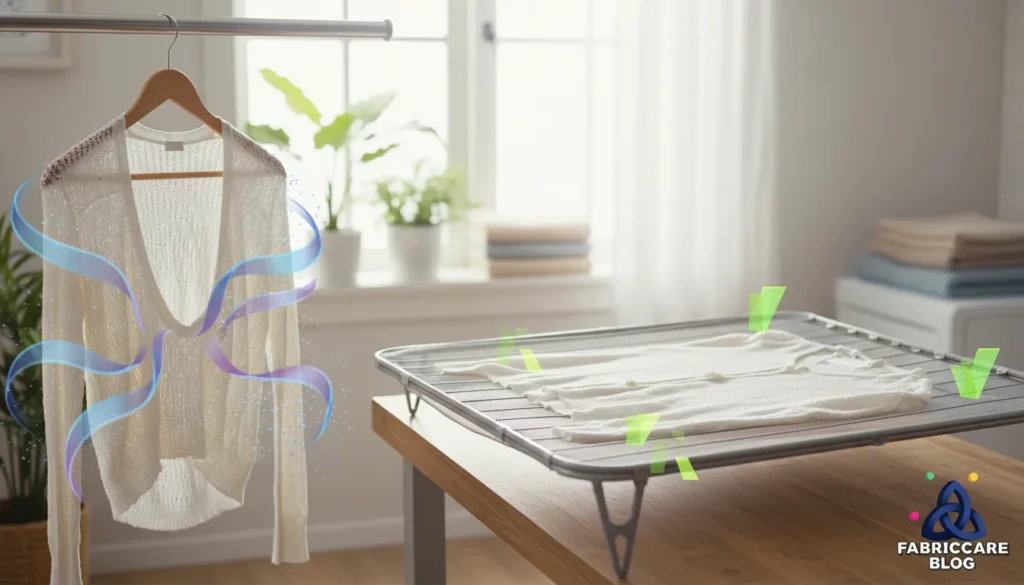
10. Storage Mistakes That Weaken Delicate Materials
Improper storage is a silent but powerful cause of damage to delicate fabrics. Many delicate fabrics care mistakes occur not during washing or drying, but while garments are stored between uses. Because storage damage develops slowly, it often goes unnoticed until fabrics show discoloration, misshaping, or fiber breakdown.
One of the most common storage mistakes is overcrowding. Delicate fabrics compressed tightly in drawers or closets experience constant pressure that weakens fibers over time. This pressure flattens fabric structure, causes permanent creasing, and stresses seams and decorative elements. Fabrics with fine weaves or soft finishes are especially vulnerable to long-term compression.
Another frequent issue is improper hanging. Hanging delicate garments that are not designed for it allows gravity to pull on weakened fibers, leading to stretching and shoulder distortion. Thin straps, soft knits, and lightweight fabrics suffer the most. For many delicate items, folding with support or laying flat is safer than hanging.
Exposure to light and moisture also plays a major role. Sunlight causes fading and fiber degradation, especially in delicate fabrics with natural dyes or refined finishes. Moist environments encourage mildew growth and fiber weakening. Storing delicate fabrics in dark, dry, and well-ventilated spaces significantly reduces these risks and prevents long-term deterioration.
Using airtight plastic containers is another common mistake. While they seem protective, they trap moisture and prevent airflow, creating conditions that accelerate fabric degradation. Breathable storage solutions allow fabrics to release residual moisture and maintain fiber stability.
By choosing appropriate storage methods—controlling pressure, airflow, light exposure, and support—storage-related delicate fabrics care mistakes can be avoided. Thoughtful storage is a crucial part of preserving delicate materials and extending their usable life.
11. Early Signs of Damage in Delicate Fabrics
Early signs of damage in delicate fabrics are often subtle and easy to dismiss, which is why many delicate fabrics care mistakes continue unnoticed until the fabric is permanently compromised. Learning to recognize these early indicators allows problems to be addressed before they become irreversible.
One of the first signs is a change in texture. Delicate fabrics that once felt smooth or soft may begin to feel slightly rough, stiff, or uneven. This change often results from fiber weakening, residue buildup, or micro-level abrasion. Because the fabric still looks intact, these tactile changes are frequently ignored, allowing damage to progress.
Another early indicator is loss of shape. Delicate garments may begin to stretch in specific areas, such as shoulders, hems, or seams. This distortion is often gradual and may only become noticeable when compared to the original fit. Shape loss is commonly caused by improper washing, high spin speeds, or hanging garments while wet—all classic delicate fabrics care mistakes.
Visual changes can also signal early damage. Slight fading, dullness, or uneven coloration suggests fiber stress or chemical interaction. Decorative details may appear looser, and fine weaves may show thinning in high-friction areas. These visual cues often appear before structural failure becomes obvious.
Pilling and fuzzing are additional warning signs. While often associated with heavier fabrics, delicate materials can also develop surface fibers when exposed to friction. This indicates that fiber ends are breaking or loosening, a sign that fabric strength is declining.
By paying attention to these early signs, care routines can be adjusted immediately. Reducing wash frequency, lowering temperatures, minimizing agitation, and revising drying methods can slow or stop further damage. Recognizing early indicators helps prevent repeated delicate fabrics care mistakes and preserves fabric quality for longer periods.
12. How to Prevent Damage to Delicate Fabrics at Home
Preventing damage to delicate fabrics at home is less about complex routines and more about consistency, restraint, and informed choices. Many delicate fabrics care mistakes happen not because people lack effort, but because everyday habits do not align with the needs of fragile materials. Adjusting a few key behaviors significantly reduces long-term damage and preserves fabric quality.
The first preventive step is lowering overall stress on fabrics. Delicate items benefit from fewer wash cycles, cooler water temperatures, and reduced agitation. Washing only when necessary, using gentle cycles, and avoiding overcrowded loads minimizes mechanical strain. These adjustments reduce fiber weakening and help fabrics retain their original structure.
Detergent selection and dosage are equally important. Mild detergents, measured accurately, clean effectively without stripping fibers or leaving residues. Avoiding unnecessary additives and strong stain treatments prevents chemical stress that contributes to gradual degradation. When stains occur, spot cleaning is often safer than full washing for delicate items.
Drying methods play a critical role in prevention. Air drying is generally the safest option, but it must be done correctly. Laying garments flat distributes weight evenly and prevents stretching, while avoiding direct sunlight protects fibers from fading and heat damage. If a dryer is used, low-heat settings and short cycles reduce exposure to damaging conditions.
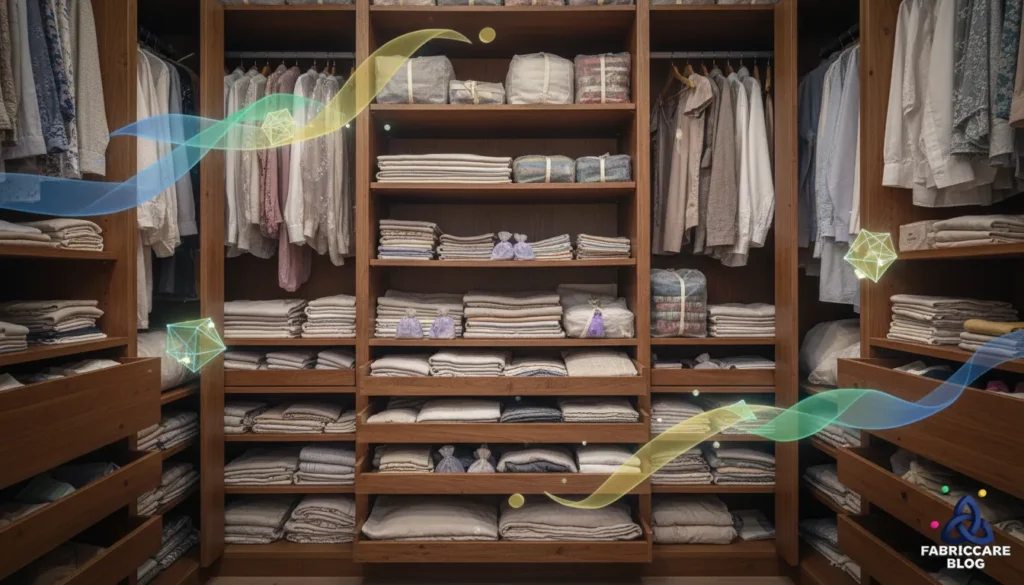
Storage completes the prevention strategy. Delicate fabrics should be stored clean, dry, and supported to avoid pressure, light exposure, and moisture buildup. Breathable storage solutions and appropriate folding or hanging methods help maintain shape and texture during periods of non-use.
By applying these preventive measures consistently, households can avoid repeated delicate fabrics care mistakes. Thoughtful care routines transform delicate fabrics from short-lived items into long-lasting, functional parts of daily life.