

1. Choosing the Right Wash Temperature: Why It Matters
Choosing the Right Wash Temperature is one of the most important decisions in fabric care, yet it is often made out of habit rather than intention. Many people default to warm or hot water believing it cleans better, but temperature affects much more than dirt removal. It influences fabric strength, color retention, energy use, and how long clothes remain wearable over time.
Water temperature determines how fibers react during washing. Heat causes fibers to expand, which can help release dirt and oils, but it also increases stress on fabric structure. When higher temperatures are used unnecessarily, fabrics may weaken, lose elasticity, or shrink. Cooler temperatures, on the other hand, place less strain on fibers and help preserve garment shape and texture.
Another reason Choosing the Right Wash Temperature matters is color protection. Dark and bright fabrics are more likely to release dye when exposed to warm or hot water, especially during early washes. Cold water reduces dye bleeding and helps maintain consistent color over time. This is particularly important for mixed loads and everyday clothing that is washed frequently.

Temperature also affects how detergent performs. Some detergents dissolve and activate differently depending on water temperature. While warmer water can improve detergent action in certain situations, modern detergents are designed to work effectively in cold water as well. Using hotter water than needed rarely improves results and may increase residue or fabric wear.
From a practical standpoint, wash temperature influences energy consumption. Heating water accounts for a significant portion of a washing machine’s energy use. Choosing lower temperatures when possible reduces energy demand without sacrificing cleanliness for most loads. This makes temperature selection not only a fabric care decision but also a household efficiency choice.
Finally, Choosing the Right Wash Temperature helps create more intentional laundry routines. Instead of relying on one setting for every load, adjusting temperature based on fabric type, soil level, and color stability leads to better results and fewer washing mistakes. This thoughtful approach supports cleaner clothes, longer fabric life, and more predictable washing outcomes.

2. How Cold Water Affects Fabric Care and Cleaning
Cold water plays a much bigger role in fabric care than many people expect, especially when Choosing the Right Wash Temperature. For most everyday laundry, cold water is not a compromise but a practical and protective option that balances cleaning effectiveness with fabric preservation.
One of the main benefits of cold water is reduced fabric stress. Lower temperatures cause less fiber expansion, which helps fabrics maintain their original structure. This is particularly important for blended materials, synthetics, and garments that are washed frequently. Over time, cold water washing helps clothes keep their shape, softness, and elasticity.
Cold water is also highly effective for color protection. Dark, bright, and patterned fabrics are less likely to bleed or fade when washed in cooler temperatures. This makes cold water especially suitable for mixed-color loads and everyday clothing where appearance matters. Many people notice that clothes washed in cold water retain their color longer compared to those washed regularly in warm or hot water.
From a cleaning perspective, cold water works best for light to moderate soil levels. Modern detergents are formulated to activate in cold water, allowing dirt and odors to be removed without heat. While heavily soiled items may need additional treatment, most daily laundry can be cleaned effectively without increasing temperature.
Cold water also supports energy efficiency. Because the washing machine does not need to heat water, energy consumption is significantly lower. This makes cold water washing a practical choice for households looking to reduce utility use while maintaining effective laundry routines.
Using cold water consistently helps reinforce better habits when Choosing the Right Wash Temperature. By reserving warmer settings only for situations where they are truly needed, laundry routines become more intentional, fabric-friendly, and efficient over time.
3. When Warm Water Makes Sense for Washing Clothes
Warm water can be useful when Choosing the Right Wash Temperature, but it works best when applied intentionally rather than by default. While cold water is sufficient for most everyday laundry, there are specific situations where warm water provides a practical balance between cleaning power and fabric care.
Warm water is often helpful for moderately soiled clothes, especially when body oils, lotions, or light grease are involved. These substances dissolve more easily at slightly higher temperatures, allowing detergent to work more effectively without the harsh impact of hot water. Items like everyday tops, bed linens, or towels may benefit from warm washes when soil buildup is noticeable.
Another case where warm water makes sense is durable, colorfast fabrics. Cotton garments and sturdy blends that are known to hold their color well can usually tolerate warm temperatures without significant fading or shrinkage. Even in these cases, using warm water occasionally rather than consistently helps reduce long-term wear.
Warm water can also improve detergent performance in certain conditions. Some powdered detergents dissolve more completely in warm water, which may reduce residue in machines that struggle with cold-water dissolution. However, this advantage depends on load size, water hardness, and detergent formulation.
Despite its benefits, warm water should still be used with caution. Repeated warm washes can gradually weaken fibers and cause color loss, particularly in darker or mixed-color loads. For this reason, warm water works best as a targeted option rather than a routine choice.
Using warm water strategically supports Choosing the Right Wash Temperature by addressing specific cleaning needs without exposing fabrics to unnecessary heat. This balanced approach helps maintain cleanliness while protecting garments from avoidable damage over time.
4. Situations Where Hot Water Is Actually Necessary
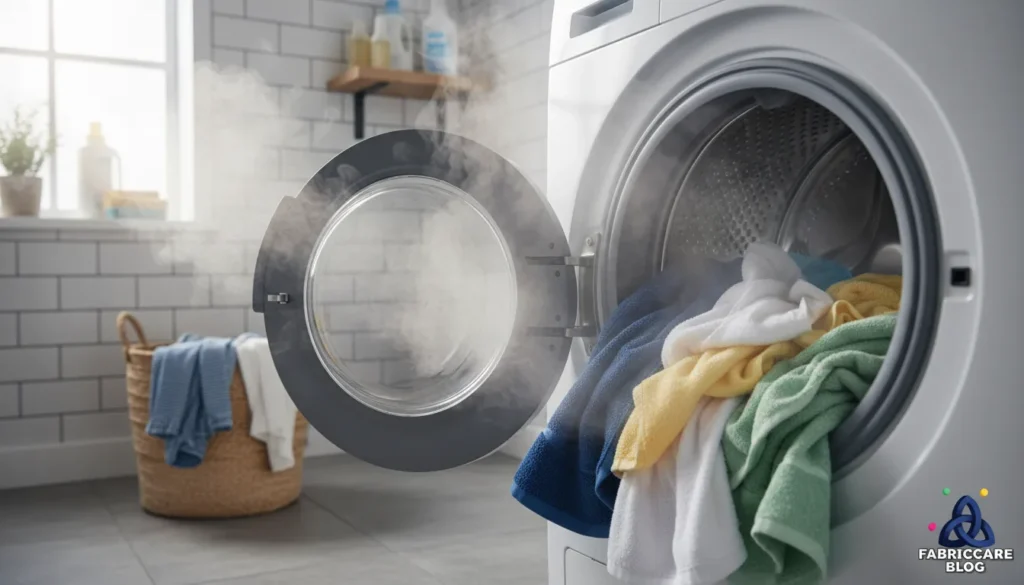
Hot water has a specific place when Choosing the Right Wash Temperature, but it should be used selectively. While it offers stronger cleaning action, hot water also places the greatest stress on fabrics, making it unsuitable for everyday washing.
Hot water is most useful for heavily soiled items where dirt, grease, or residue is deeply embedded in the fabric. Work clothes, cleaning cloths, or items exposed to heavy buildup may benefit from higher temperatures that help loosen and remove stubborn soil more effectively than cold or warm water.
Another situation where hot water may be appropriate is sanitizing washable items, such as towels, bed linens, or reusable cleaning materials. Higher temperatures can help reduce odors and refresh fabrics that are washed frequently. Even in these cases, hot water should be reserved for durable, colorfast materials that can tolerate heat without damage.
Hot water can also assist with specific detergent needs. Certain detergents and cleaning agents activate more fully at higher temperatures, which may improve results in limited situations. However, this benefit does not apply to most modern detergents designed for cold or warm water use.
Despite these advantages, hot water carries clear risks. Repeated exposure can cause shrinking, fading, and fiber breakdown, especially in blended or synthetic fabrics. Dark colors are particularly vulnerable to color loss, and elastic components may lose their stretch over time.
Using hot water only when it is clearly necessary supports Choosing the Right Wash Temperature by balancing cleanliness with fabric preservation. Limiting hot washes to appropriate situations helps protect clothes, extend their lifespan, and prevent unnecessary wear caused by excess heat.
5. How Wash Temperature Impacts Fabric Longevity
Wash temperature has a long-term effect on how fabrics age, making it a central consideration when Choosing the Right Wash Temperature. Even when clothes look clean after washing, repeated exposure to unsuitable temperatures can gradually weaken fibers and shorten garment lifespan.
Higher temperatures increase fiber expansion and contraction during washing. Over time, this repeated stress can cause fabrics to lose strength, elasticity, and shape. Natural fibers like cotton may shrink, while blended and synthetic materials can become brittle or lose their original texture when exposed to frequent heat.
Color stability is also closely tied to temperature. Warm and hot water accelerate dye release, especially in darker or brightly colored garments. As dyes escape fibers more easily at higher temperatures, clothes may fade faster and lose their original appearance. Cooler washes help slow this process and preserve color vibrancy.
Elastic components, such as waistbands or stretch panels, are particularly sensitive to heat. Repeated warm or hot washes can cause these elements to relax or break down, leading to garments that no longer fit properly. Lower temperatures place less strain on elastic fibers and help maintain garment structure.
Another factor is surface wear. Heat can increase friction during washing, especially when combined with strong agitation. This contributes to pilling, thinning fabric surfaces, and a rougher feel over time. Choosing lower temperatures when possible reduces this combined stress on fabrics.
By understanding how temperature affects fabric longevity, Choosing the Right Wash Temperature becomes a preventative strategy rather than a reaction to damage. Thoughtful temperature choices help clothes last longer, maintain comfort, and retain their appearance through repeated washes.

6. Choosing the Right Wash Temperature for Different Fabrics
Different fabrics respond in very different ways to heat, which is why fabric type should always guide temperature decisions when Choosing the Right Wash Temperature. Matching temperature to material helps balance cleanliness with long-term fabric care.
Cotton is generally more tolerant of warm water, especially when it is colorfast and heavily used. However, frequent warm or hot washes can still cause gradual shrinking and fading. For everyday cotton clothing, cold or warm water is usually sufficient, reserving hot water for occasional heavy soil.
Synthetic fabrics, such as polyester or nylon, perform best in cold or warm water. These materials do not absorb soil as deeply as natural fibers and can be damaged by high heat. Hot water may cause synthetics to lose shape, develop shine, or weaken over time.
Blended fabrics require extra attention because they combine fibers with different heat tolerances. In many cases, cold water is the safest choice, as it minimizes stress on the most sensitive components of the blend. Checking care labels is especially helpful for these garments.
Delicate fabrics, including wool, silk, and fine knits, almost always benefit from cold water. Heat can cause shrinking, felting, or surface damage that cannot be reversed. Gentle cycles combined with cold water help preserve texture and structure.
Choosing wash temperature based on fabric type reinforces good habits when Choosing the Right Wash Temperature. This approach reduces guesswork, prevents avoidable damage, and helps each garment receive the level of care it needs to last longer.
7. Wash Temperature and Color Protection
Color protection is one of the strongest reasons for Choosing the Right Wash Temperature, especially for clothes that are washed frequently. Temperature directly influences how dyes behave in water and how long garments keep their original appearance.
Higher temperatures make fibers expand, which allows dyes to release more easily. This increases the risk of fading and color bleeding, particularly in dark or brightly colored fabrics. New garments are especially vulnerable during the first few washes, when excess dye has not yet fully stabilized within the fibers.
Cold water helps lock in color by reducing fiber expansion. When fabrics remain more compact, dyes are less likely to escape during washing. This makes cold water a reliable choice for everyday colored clothing, mixed loads, and items where appearance matters more than heavy soil removal.
Warm water sits between cleaning strength and color protection. It may be useful for colorfast fabrics with visible buildup, but repeated warm washes can still cause gradual fading over time. For this reason, warm water works best as an occasional option rather than a default setting for colored clothes.
Sorting by color remains important, but temperature choice adds an extra layer of protection. Even when similar colors are washed together, using cooler temperatures reduces stress on dyes and fabric surfaces.
By prioritizing color protection when Choosing the Right Wash Temperature, clothes maintain their brightness and consistency longer. Thoughtful temperature decisions reduce fading, prevent uneven tones, and help garments look newer through repeated washes.

8. Energy Use and Wash Temperature at Home
Energy use is an important but often overlooked factor when Choosing the Right Wash Temperature. The temperature you select does not only affect fabric care and cleaning results, but also how much energy your household uses during each wash.
Heating water is one of the most energy-intensive parts of the laundry process. Warm and hot washes require significantly more electricity or gas than cold washes. For many households, lowering wash temperature is one of the simplest ways to reduce energy consumption without changing washing frequency or load size.
Cold water washing offers clear advantages in this area. Because the machine does not need to heat water, energy use drops considerably. For lightly to moderately soiled clothes, cold washes usually provide effective cleaning while keeping energy costs lower. Over time, this can make a noticeable difference in utility bills.
Warm water sits between efficiency and cleaning power. While it uses more energy than cold water, it still consumes less than hot water. Using warm water selectively—only when additional cleaning strength is needed—helps balance energy use with washing performance.
Hot water has the highest energy demand and should be used sparingly. Repeated hot washes increase energy consumption and place extra strain on both fabrics and appliances. Reserving hot water for specific needs rather than everyday laundry supports more efficient household routines.
Being mindful of energy use reinforces better habits when Choosing the Right Wash Temperature. Small temperature adjustments help save energy, reduce costs, and support sustainable laundry practices without sacrificing cleanliness or fabric care.
9. Common Temperature Mistakes That Damage Clothes
Many laundry problems come from repeated temperature mistakes rather than a single wrong wash, which is why awareness matters when Choosing the Right Wash Temperature. These errors often happen out of habit and can quietly shorten the life of clothes over time.
One common mistake is defaulting to warm or hot water for every load. While higher temperatures may feel safer for cleaning, they often cause unnecessary stress on fabrics. Over time, this leads to fading, shrinking, and weakened fibers, especially in garments that are washed frequently.
Another issue is using hot water on delicate or blended fabrics. Materials that combine natural and synthetic fibers may react unpredictably to heat. Hot water can cause uneven shrinking or distortion, leaving clothes misshapen even after a single wash.
Ignoring color sensitivity is also a frequent problem. Washing dark or bright clothes in warm or hot water increases the risk of dye bleeding and fading. Even when colors appear stable at first, repeated exposure to higher temperatures gradually dulls their appearance.
Some people also make the mistake of raising temperature instead of adjusting other factors. When clothes do not come out clean, increasing water temperature is often the first response. In many cases, improving sorting, cycle selection, or detergent use would solve the issue without exposing fabrics to extra heat.
By recognizing and avoiding these common temperature mistakes, Choosing the Right Wash Temperature becomes a protective habit rather than a corrective one. Small adjustments in temperature choice help preserve fabric quality, maintain color, and prevent avoidable damage over time.

10. How Care Labels Guide Wash Temperature Decisions
Care labels are one of the most reliable tools for Choosing the Right Wash Temperature, yet they are often overlooked or misunderstood. These labels are designed to communicate how a fabric responds to heat, water, and movement, helping reduce guesswork before washing.
Most care labels include temperature symbols or written guidance that indicate the maximum heat a garment can tolerate. Following these recommendations helps prevent shrinking, color loss, and surface damage. While labels may appear conservative, they are based on how the fabric was tested during production.
Labels also reflect fabric construction, not just material type. Two garments made from similar fibers may require different temperatures because of weave, finishes, or added components. This explains why one cotton item may tolerate warm water while another performs best in cold water.
Another benefit of care labels is guidance for blended fabrics. When multiple fibers are combined, the label usually reflects the most sensitive component. Choosing a lower temperature in these cases helps protect the garment as a whole, even if some fibers could handle more heat.
It is important to view care labels as decision aids rather than obstacles. When real-life conditions require flexibility, using the label as a reference point helps you adjust safely. For example, selecting a cooler temperature than recommended is generally safer than exceeding it.
Using care labels consistently strengthens habits when Choosing the Right Wash Temperature. Over time, this practice reduces fabric damage, improves washing results, and helps clothes maintain their intended fit and appearance through repeated washes.
11. Balancing Cleanliness and Fabric Safety
Balancing cleanliness and fabric safety is the core challenge when Choosing the Right Wash Temperature. Many washing decisions lean too far in one direction—either prioritizing maximum cleaning strength or extreme gentleness—when the best results usually come from finding a middle ground.
Cleanliness depends on several factors working together, not temperature alone. Detergent type, wash cycle, load size, and water movement all influence how effectively dirt and odors are removed. Raising water temperature is only one tool, and often not the most important one. In many cases, adjusting these other factors delivers better results without exposing fabrics to unnecessary heat.
Fabric safety, on the other hand, relies on minimizing stress. High temperatures increase fiber expansion and friction, which weakens materials over time. Choosing cooler temperatures whenever possible protects fabric structure while still allowing detergents to do their job. This is especially important for garments that are washed frequently, such as everyday clothing.
A practical way to balance both goals is to match temperature to soil level. Lightly worn clothes usually clean well in cold water, while moderately soiled items may benefit from warm water occasionally. Hot water should remain a targeted option for specific needs rather than a routine choice.
Another helpful approach is testing adjustments gradually. Instead of changing everything at once, lowering temperature while keeping other settings the same allows you to observe results without risk. Many people discover that clothes come out just as clean with less heat.
By consciously balancing cleanliness and fabric safety, Choosing the Right Wash Temperature becomes a thoughtful decision rather than a habit. This balance leads to cleaner clothes, longer fabric life, and more reliable washing outcomes over time.

12. Building Better Habits When Choosing the Right Wash Temperature
Building consistent habits is the final step in mastering Choosing the Right Wash Temperature. Good temperature decisions become easier when they are part of a routine rather than something reconsidered from scratch with every load.
One effective habit is defaulting to cold water unless there is a clear reason to choose otherwise. This simple rule protects most fabrics, reduces color fading, and lowers energy use. When warm or hot water is needed, the decision becomes intentional rather than automatic.
Another helpful practice is pausing before starting the wash. Taking a brief moment to consider fabric type, color, and soil level helps confirm whether the selected temperature makes sense. This small pause often prevents unnecessary heat use and fabric damage.
Keeping temperature choices consistent with sorting habits also improves results. Loads sorted by color and fabric type are easier to match with the appropriate temperature. This reduces mistakes and makes temperature selection feel straightforward instead of confusing.
Learning from outcomes is part of habit-building as well. If clothes come out clean and undamaged at a lower temperature, that setting is likely sufficient for similar loads in the future. Over time, confidence in cooler washes grows, reducing reliance on higher temperatures.
By turning temperature decisions into habits, Choosing the Right Wash Temperature becomes automatic and reliable. These habits protect fabrics, support efficient laundry routines, and help clothes maintain their quality through repeated washes.