1. What Fabric Care Really Means and Why It Matters
Fabric care refers to a set of informed practices aimed at preserving the structure, performance, and appearance of fabrics over time. It goes beyond routine cleaning and focuses on understanding how different materials react to everyday stressors such as heat, moisture, friction, light, and chemical agents. Proper fabric care recognizes that fabrics are engineered materials with specific tolerances, and maintaining those tolerances is essential to extending their useful life.
One of the most common misunderstandings about fabric care is the assumption that frequent cleaning automatically equals better maintenance. In reality, excessive or improper cleaning often accelerates fiber degradation. High temperatures, aggressive washing cycles, and unsuitable detergents weaken fibers, strip protective finishes, and cause gradual loss of strength. Fabric care, therefore, emphasizes balance: keeping materials clean enough for hygiene while minimizing unnecessary stress that leads to premature wear.
Fabric care also plays a critical role in maintaining comfort and functionality. Fabrics are chosen for specific purposes—breathability, insulation, flexibility, or durability. When care routines ignore these characteristics, fabrics may lose the qualities that made them suitable in the first place. For example, a fabric designed to regulate temperature may become stiff or less breathable if treated incorrectly. Over time, this reduces comfort and usability, even if the item appears visually intact.
Another important aspect of fabric care is cost efficiency. Replacing clothing, upholstery, or home textiles frequently due to avoidable damage results in higher long-term expenses. Proper fabric care slows deterioration, allowing items to remain functional and presentable for longer periods. This is especially relevant for household textiles such as sofas, curtains, rugs, and bedding, which are exposed to continuous use and environmental factors.
From a health and hygiene perspective, fabric care affects indoor air quality and cleanliness. Poorly maintained fabrics can trap moisture, dust, allergens, and microorganisms. Over time, this accumulation may contribute to odors, mold growth, or allergic reactions. Effective fabric care includes preventive measures such as proper drying, adequate ventilation, and appropriate storage, all of which reduce the risk of contamination.
Understanding fabric care also involves recognizing that different materials require different approaches. Applying the same routine to all fabrics often leads to damage. Fabric care encourages informed decision-making based on material composition, structure, and intended use. This approach reduces guesswork and helps prevent irreversible mistakes.
Ultimately, fabric care is about consistency rather than complexity. Small, informed adjustments—such as choosing appropriate washing settings, avoiding excessive heat, and storing fabrics correctly—have a cumulative effect over time. When fabric care becomes a habitual practice rather than an occasional correction, materials retain their quality, appearance, and function for significantly longer periods.

2. Understanding Fabric Fibers: Natural vs Synthetic
Fabric fibers are the fundamental building blocks that determine how a material behaves during use and care. Broadly, fibers are classified as natural or synthetic, and this distinction has a direct impact on durability, comfort, maintenance requirements, and long-term fabric care outcomes. Understanding these differences is essential for applying appropriate care methods and avoiding unnecessary damage.
Natural fibers originate from plants or animals. Common examples include cotton, linen, wool, and silk. These fibers are generally breathable and comfortable, making them popular for clothing and household textiles. However, natural fibers often have a lower tolerance for heat, aggressive agitation, and harsh chemicals. Cotton, for instance, can shrink or weaken when exposed to high temperatures, while wool is sensitive to friction and moisture, which can cause felting and loss of shape. Silk fibers are particularly vulnerable to strong detergents and require gentle handling to maintain their smooth texture and sheen.
Synthetic fibers, such as polyester, nylon, acrylic, and elastane, are manufactured through chemical processes. They are designed to enhance specific performance characteristics, including strength, elasticity, and resistance to wrinkles. Synthetic fibers tend to be more durable under repeated use and are less likely to shrink. However, they are not immune to damage. Excessive heat can cause synthetic fibers to melt or deform, and friction may lead to pilling or surface wear. Additionally, some synthetic materials retain odors more easily if not cleaned properly.
Blended fabrics combine natural and synthetic fibers to balance comfort and durability. While blends can offer practical advantages, they also complicate fabric care. Each fiber type within the blend reacts differently to washing and drying conditions, making it necessary to choose care methods that protect the most sensitive component.
Recognizing whether a fabric is natural, synthetic, or blended allows for more informed fabric care decisions. By aligning care routines with fiber characteristics, it becomes possible to preserve fabric structure, appearance, and performance over time while minimizing avoidable wear.
3. How Fabric Structure Affects Durability and Care
Fabric durability is influenced not only by the type of fiber used but also by how those fibers are assembled into a fabric. Fabric structure refers to the way fibers are woven, knitted, or bonded together, and this structural design plays a decisive role in how materials respond to use, cleaning, and long-term care. Two fabrics made from the same fiber can behave very differently depending on their structure.
Woven fabrics are created by interlacing fibers at right angles, forming a stable and relatively rigid surface. Tightly woven fabrics, such as denim or canvas, tend to be more resistant to abrasion and tearing. Because the fibers are held firmly in place, these fabrics usually tolerate more frequent handling and cleaning. However, dense weaves can also trap dirt and residue more deeply, requiring careful cleaning methods to avoid buildup that weakens fibers over time.
Knitted fabrics, by contrast, are made by looping fibers together. This structure provides flexibility and stretch, which increases comfort but reduces resistance to distortion. Knitted fabrics are more likely to lose shape when subjected to excessive agitation, improper drying, or hanging while wet. Fabric care for knitted materials often prioritizes gentle cycles and flat drying to preserve structural integrity.
Nonwoven and bonded fabrics rely on chemical or mechanical bonding rather than traditional weaving or knitting. These materials may appear durable but can be highly sensitive to heat, moisture, or harsh cleaning agents. Once the bonding weakens, the fabric may deteriorate rapidly.
Understanding fabric structure helps explain why some materials pill, stretch, or thin faster than others. Fabric care routines that account for structure—such as minimizing friction, controlling spin speeds, and choosing appropriate drying methods—significantly improve durability. By matching care practices to fabric structure, it becomes possible to maintain performance and appearance for a longer period.
4. Why Some Fabrics Wear Out Faster Than Others
Fabrics do not all age at the same rate, even when they appear similar at first glance. The speed at which a fabric wears out is influenced by a combination of fiber quality, fabric structure, frequency of use, and environmental exposure. Understanding these factors is essential for applying fabric care practices that reduce premature deterioration.
One major reason some fabrics wear out faster is fiber quality. Lower-quality fibers often contain shorter strands or inconsistencies that make them more prone to breakage under stress. Repeated washing, friction, and stretching place pressure on these weaker fibers, leading to thinning, pilling, or tearing. Even with careful handling, fabrics made from inferior fibers tend to degrade more quickly than those produced from higher-grade materials.
Usage patterns also play a significant role. Fabrics exposed to constant friction—such as upholstery, frequently worn clothing, or items used daily—experience accelerated wear. Areas that bend, rub, or stretch repeatedly are especially vulnerable. Without proper fabric care, these stress points deteriorate faster, resulting in uneven wear and reduced functionality.
Environmental factors further contribute to fabric aging. Prolonged exposure to sunlight causes fibers to weaken and colors to fade. High humidity encourages mold growth and fiber breakdown, while excessive heat from washing or drying damages both natural and synthetic materials. Over time, these conditions compound the effects of daily use.
Another often overlooked factor is improper care routines. Overwashing, using harsh detergents, and selecting aggressive cycles place unnecessary strain on fabrics. Fabric care that prioritizes gentle handling, appropriate temperatures, and reduced friction helps slow the natural aging process.
Recognizing why certain fabrics wear out faster allows for preventive action. Adjusting care methods based on fabric characteristics and usage conditions extends lifespan, maintains appearance, and reduces the need for frequent replacement.
5. The Role of Labels and Care Symbols on Fabrics
Labels and care symbols are one of the most reliable sources of information for proper fabric care, yet they are often ignored or misunderstood. These labels are not decorative; they are practical guidelines provided by manufacturers based on how a fabric reacts to washing, drying, ironing, and professional cleaning. Understanding and following these instructions significantly reduces the risk of irreversible fabric damage.
Care labels typically include symbols that indicate recommended water temperature, washing cycle, drying method, ironing limits, and whether dry cleaning is suitable. Each symbol communicates a specific restriction or allowance. For example, a symbol showing low heat for drying reflects the fabric’s sensitivity to temperature, while a gentle wash symbol indicates vulnerability to friction or agitation. Ignoring these instructions often results in shrinkage, fading, distortion, or weakened fibers.
One reason care labels are overlooked is the assumption that similar-looking fabrics can be treated the same way. In reality, fabrics with nearly identical appearances may have very different fiber compositions or structures. Labels help bridge this gap by translating technical material properties into actionable care instructions. When labels are removed or become unreadable, identifying the fabric type and structure becomes even more important for making safe care decisions.
Care symbols also help prevent over-cleaning. Some fabrics do not require frequent washing and benefit more from airing or spot cleaning. Following label guidance reduces unnecessary exposure to water, heat, and chemicals, all of which accelerate wear when overused.
From a long-term perspective, labels support consistent fabric care habits. When instructions are followed regularly, fabrics maintain their original shape, color, and texture for longer periods. This consistency minimizes trial-and-error approaches that often lead to damage.
Ultimately, labels and care symbols act as a preventive tool. They provide clarity, reduce guesswork, and support informed decisions. Incorporating label guidance into routine fabric care protects materials, saves money, and extends the lifespan of clothing and household textiles.
6. How Heat, Water, and Friction Impact Fabrics
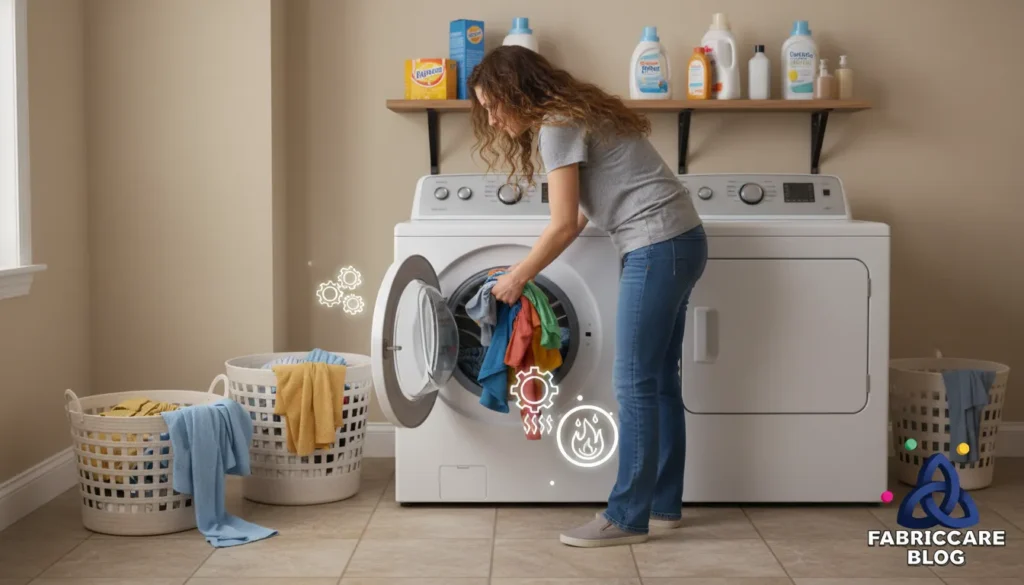
Heat, water, and friction are the three primary forces that influence how fabrics age over time. While these elements are unavoidable in daily use and cleaning, understanding their impact allows for fabric care decisions that minimize damage and preserve material integrity. Each of these forces affects fibers differently, and their combined effect often accelerates wear when not properly managed.
Heat is one of the most damaging factors for many fabrics. High temperatures can cause natural fibers to shrink, stiffen, or lose elasticity, while synthetic fibers may soften, deform, or partially melt. Repeated exposure to excessive heat during washing, drying, or ironing weakens fiber bonds and reduces tensile strength. Fabric care practices that limit heat—such as using cooler wash cycles and low-heat drying—help maintain structural stability and color retention.
Water plays a complex role in fabric care. While necessary for cleaning, water causes fibers to swell, which temporarily weakens their structure. Frequent or prolonged exposure increases the likelihood of stretching, distortion, and dye bleeding. Hard water may also leave mineral deposits that stiffen fabrics over time. Proper fabric care balances effective cleaning with controlled water exposure, avoiding unnecessary soaking or overwashing.
Friction occurs whenever fabrics rub against other surfaces, including other garments, washing machine drums, or everyday contact points. This constant abrasion leads to pilling, thinning, and surface damage. High-spin cycles, overloading washing machines, and rough handling intensify friction-related wear. Reducing friction through gentle cycles, appropriate load sizes, and protective measures such as washing delicate items separately significantly extends fabric lifespan.
Understanding how heat, water, and friction interact enables more informed fabric care choices. By controlling these forces, fabrics retain their appearance, strength, and functionality for longer periods.

7. Common Household Habits That Damage Fabrics
Many fabric issues are not caused by major accidents or extreme misuse but by small, repeated household habits that gradually weaken materials over time. These habits often go unnoticed because their effects are subtle at first, yet they accumulate and significantly shorten fabric lifespan. Recognizing and correcting these behaviors is a core part of effective fabric care.
One common habit that damages fabrics is overwashing. Washing items after minimal use exposes fibers unnecessarily to water, heat, detergents, and friction. Even gentle cycles contribute to gradual fiber breakdown when used too frequently. Fabric care involves washing items only when necessary and using alternative methods such as airing or spot cleaning when appropriate.
Another damaging habit is overloading washing machines. When machines are too full, fabrics rub excessively against each other, increasing friction and causing pilling, stretching, and thinning. Overloading also reduces cleaning effectiveness, encouraging repeated washing that further stresses fabrics. Proper fabric care includes respecting load limits to allow adequate movement without excessive abrasion.
Improper drying practices also contribute to fabric damage. High-heat drying, extended drying times, and hanging heavy or knitted items while wet can distort shape and weaken fibers. Many fabrics benefit from air drying or low-heat settings that reduce thermal stress. Allowing items to cool before folding or storing further protects fiber structure.
Storage habits are another overlooked factor. Storing fabrics while damp promotes mold growth and odor retention. Compressing fabrics tightly or exposing them to direct sunlight during storage leads to permanent creasing, fading, or fiber degradation. Fabric care extends beyond cleaning and includes maintaining clean, dry, and well-ventilated storage environments.
By addressing these everyday habits, fabric care becomes preventative rather than reactive. Small adjustments made consistently reduce wear, preserve appearance, and help fabrics maintain their intended performance over time.
8. Fabric Care for Everyday Clothing
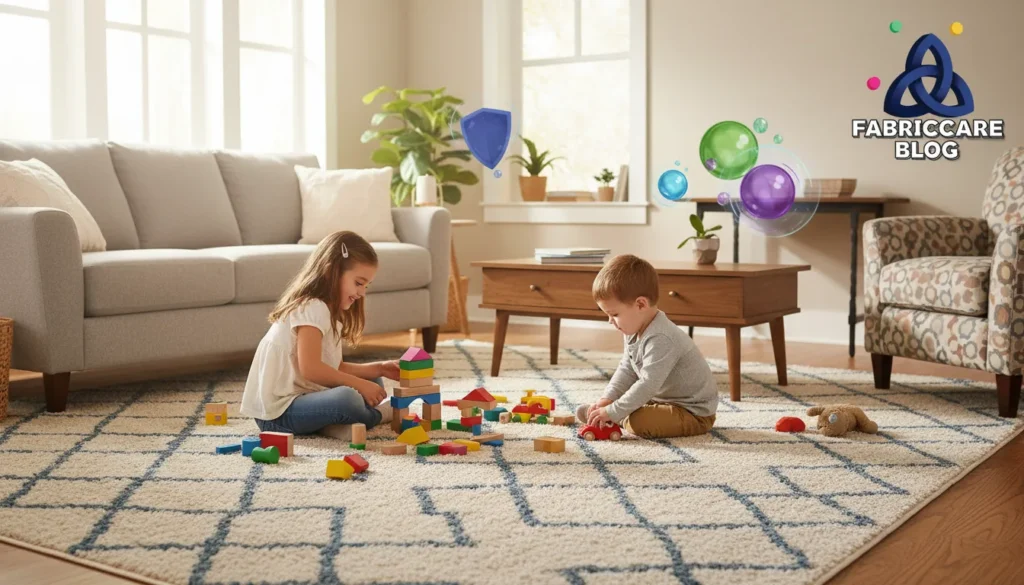
Everyday clothing is exposed to frequent use, movement, and environmental contact, which makes consistent fabric care especially important. Unlike occasional-use items, daily garments experience repeated friction, stretching, and washing, all of which accelerate fiber wear when not managed correctly. Effective fabric care for everyday clothing focuses on reducing unnecessary stress while maintaining hygiene and comfort.
One key aspect is washing frequency. Many garments do not need to be washed after a single use unless they are visibly soiled or exposed to odors. Overwashing places fabrics under repeated mechanical and chemical stress, weakening fibers and fading colors. Fabric care involves evaluating actual need rather than following rigid habits, which helps preserve material integrity over time.
Sorting clothing properly before washing is another essential practice. Mixing heavy items with delicate garments increases friction and leads to surface damage such as pilling or thinning. Separating clothing by fabric type, weight, and color allows each item to be cleaned under conditions that match its tolerance. This reduces abrasion and minimizes dye transfer, which is particularly important for darker or more vibrant fabrics.
Choosing appropriate washing settings also supports long-term fabric care. Gentle cycles, moderate temperatures, and suitable detergents protect fibers while still achieving effective cleaning. High-speed spin cycles and excessive heat may seem efficient but often shorten garment lifespan. Small adjustments in settings can make a significant difference in how clothing ages.
Drying practices further influence fabric durability. Whenever possible, air drying or low-heat drying helps maintain shape and elasticity. Hanging or laying garments flat based on their structure prevents stretching and distortion. Proper folding and storage after drying complete the fabric care cycle for everyday clothing.
By applying these principles consistently, everyday garments retain their appearance, comfort, and functionality longer, reducing replacement frequency and supporting sustainable clothing use.
9. Caring for Upholstery and Home Textiles
Upholstery and home textiles require a distinct approach to fabric care because they are exposed to constant contact, friction, and environmental factors while being cleaned far less frequently than clothing. Sofas, chairs, curtains, rugs, and decorative textiles accumulate dust, oils, and particles over time, which gradually degrade fibers if not managed correctly. Effective fabric care for these items focuses on prevention, routine maintenance, and appropriate cleaning methods.
Regular dry maintenance is one of the most important aspects of upholstery care. Vacuuming upholstery and textiles removes dust and abrasive particles that settle deep into fibers. When left in place, these particles act like sandpaper, accelerating wear during normal use. Fabric care routines that include gentle, consistent vacuuming help preserve surface integrity and reduce long-term damage.
Spot cleaning is another critical component. Addressing spills and stains promptly prevents substances from penetrating deeper into the fabric structure. However, improper spot cleaning—such as excessive rubbing or over-wetting—can spread stains or weaken fibers. Fabric care emphasizes blotting, using minimal moisture, and choosing cleaning methods suited to the fabric type to avoid saturation and residue buildup.
Environmental exposure also affects upholstery fabrics. Prolonged sunlight causes fading and fiber weakening, while humidity encourages mold growth and odors. Positioning furniture away from direct sunlight, rotating cushions, and maintaining proper indoor ventilation are preventive fabric care measures that significantly extend textile lifespan.
Cleaning frequency should be based on use and fabric tolerance rather than fixed schedules. Some upholstery benefits from periodic professional cleaning, while others require only light, routine care. Understanding material composition and structure guides these decisions and prevents unnecessary stress.
By combining preventive habits, careful cleaning, and environmental awareness, fabric care for upholstery and home textiles maintains appearance, comfort, and durability over extended period
10. How Improper Washing Shortens Fabric Lifespan
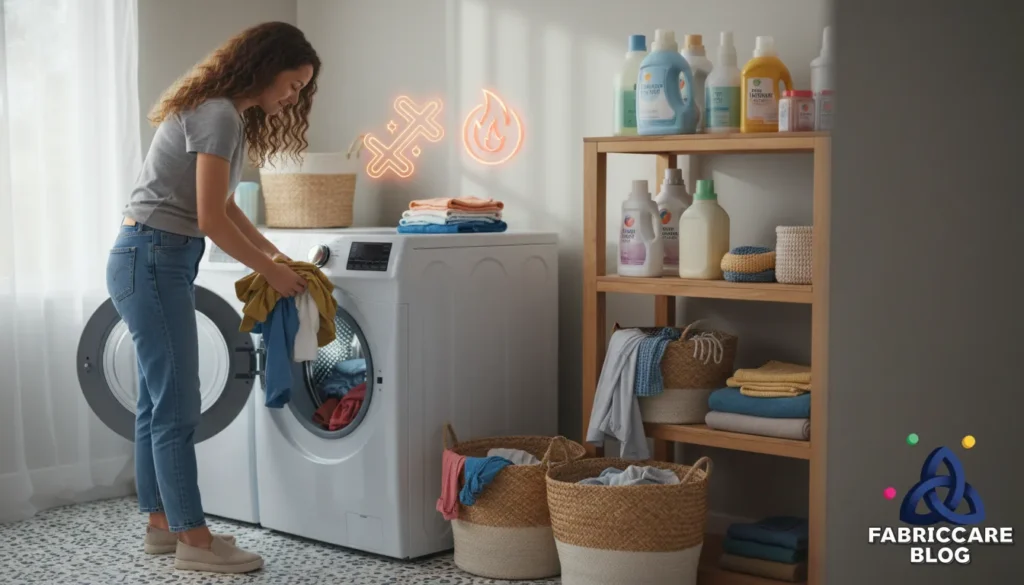
Improper washing is one of the most common and damaging factors affecting fabric longevity. While washing is essential for hygiene, incorrect methods place unnecessary stress on fibers and accelerate deterioration. Fabric care aims to remove dirt effectively while preserving fiber strength, color stability, and structural integrity—goals that improper washing undermines over time.
Excessive heat is a primary issue. High water temperatures cause fibers to swell and weaken, increasing the likelihood of shrinkage, distortion, and color loss. Natural fibers are particularly vulnerable, but synthetic materials also suffer when exposed to repeated high-heat cycles. Fabric care practices recommend matching water temperature to fabric tolerance rather than defaulting to hot settings.
Aggressive washing cycles further contribute to wear. Strong agitation and high spin speeds increase friction, leading to pilling, thinning, and seam stress. Over time, this mechanical action breaks down fibers and reduces fabric strength. Choosing gentler cycles appropriate for the fabric type significantly slows this process and extends usable life.
Detergent misuse is another critical factor. Using too much detergent leaves residue that stiffens fibers and attracts dirt, prompting more frequent washing. Harsh formulations may strip protective finishes and fade colors. Fabric care involves selecting detergents suitable for the material and measuring accurately to avoid buildup and unnecessary chemical exposure.
Improper sorting compounds these issues. Washing heavy items with lighter or delicate fabrics increases abrasion and uneven stress. Sorting by fabric type, weight, and color allows each item to be cleaned under conditions that minimize damage.
By correcting these washing practices—controlling heat, reducing agitation, using appropriate detergents, and sorting properly—fabric care routines protect materials from avoidable damage and significantly extend fabric lifespan.
11. The Difference Between Cleaning and Fabric Care
Cleaning and fabric care are often treated as interchangeable concepts, but they serve different purposes and require distinct approaches. Cleaning focuses primarily on removing visible dirt, stains, odors, and microorganisms from fabrics. Fabric care, on the other hand, is a broader concept that emphasizes preserving the material’s structure, performance, and appearance over time. Understanding this distinction is essential for preventing premature fabric deterioration.
Cleaning is usually reactive. It responds to dirt or contamination and aims to restore cleanliness. While necessary, cleaning alone does not account for how fibers respond to repeated exposure to water, heat, friction, and chemicals. Fabric care considers these effects and seeks to minimize long-term damage while still maintaining hygiene. Without fabric care principles, cleaning routines may unintentionally weaken fibers, fade colors, or alter texture.
Another key difference lies in frequency and method selection. Cleaning is often performed on a schedule or out of habit, whereas fabric care evaluates whether cleaning is truly needed. Some fabrics benefit more from airing, brushing, or spot treatment than from full washing. Fabric care encourages selecting the least invasive method that achieves the desired level of cleanliness, reducing unnecessary stress on materials.
Fabric care also extends beyond washing. It includes proper drying, storage, and handling practices that cleaning routines frequently overlook. For example, improper drying can distort fabric shape, and poor storage conditions can lead to moisture damage or fading. These issues may occur even when cleaning is done correctly, highlighting the need for a more comprehensive approach.
By separating the concepts of cleaning and fabric care, it becomes easier to adopt routines that balance cleanliness with preservation. This perspective helps fabrics maintain their quality, comfort, and function over longer periods, reducing replacement costs and supporting more sustainable use.
12. How Storage Conditions Affect Fabric Quality
Storage conditions have a direct and often underestimated impact on fabric quality over time. Even when fabrics are cleaned properly, poor storage environments can undo that effort by weakening fibers, altering texture, and causing permanent visual damage. Effective fabric care extends beyond washing and drying and includes thoughtful decisions about how and where fabrics are stored.
One of the most critical storage factors is moisture. Fabrics stored in damp or poorly ventilated areas are at high risk of developing mold, mildew, and persistent odors. Moisture weakens fibers at a structural level and can cause discoloration that is difficult or impossible to reverse. Fabric care practices emphasize ensuring that items are completely dry before storage and that storage areas allow adequate airflow to prevent humidity buildup.
Light exposure is another major concern. Prolonged exposure to direct sunlight or strong artificial light causes fibers to degrade and colors to fade unevenly. This is particularly damaging for natural fibers and dyed fabrics. Storing textiles away from direct light or using opaque containers helps preserve color intensity and fiber strength over time.
Compression and folding methods also influence fabric condition. Tight compression, especially over long periods, can create deep creases and permanently distort fabric structure. Hanging heavy items may cause stretching, while improper folding can stress specific points repeatedly. Fabric care involves choosing storage methods that support the natural structure of each fabric, such as folding knits loosely or hanging structured garments with proper support.
Cleanliness plays a role as well. Storing fabrics that still contain dirt, body oils, or residues attracts pests and accelerates fiber breakdown. Fabric care routines include light cleaning or airing before storage, ensuring fabrics enter storage in optimal condition.
By controlling moisture, light, compression, and cleanliness, proper storage becomes an active part of fabric care, preserving quality and extending fabric lifespan.
13. Moisture, Mold, and Fabric Deterioration
Moisture is one of the most destructive elements affecting fabrics, yet its impact is often underestimated. Even small amounts of retained moisture can trigger a chain of problems that compromise fabric integrity, appearance, and hygiene. Effective fabric care requires understanding how moisture interacts with fibers and how mold develops when conditions are unfavorable.
When fabrics remain damp for extended periods, fibers absorb and retain water, which weakens their internal structure. Natural fibers are particularly vulnerable, as they tend to absorb moisture more readily. Over time, this absorption reduces tensile strength, making fabrics more prone to tearing, thinning, and deformation. Synthetic fibers are less absorbent but can still trap moisture within their structure or between layers, creating conditions that encourage deterioration.
Mold develops when moisture combines with warmth and limited airflow. Once mold spores settle into fabric fibers, they feed on organic material and multiply rapidly. This not only causes visible staining but also produces persistent odors that are difficult to eliminate. In many cases, mold damage is irreversible, even if the fabric appears clean after treatment. Fabric care emphasizes prevention because remediation is often limited in effectiveness.
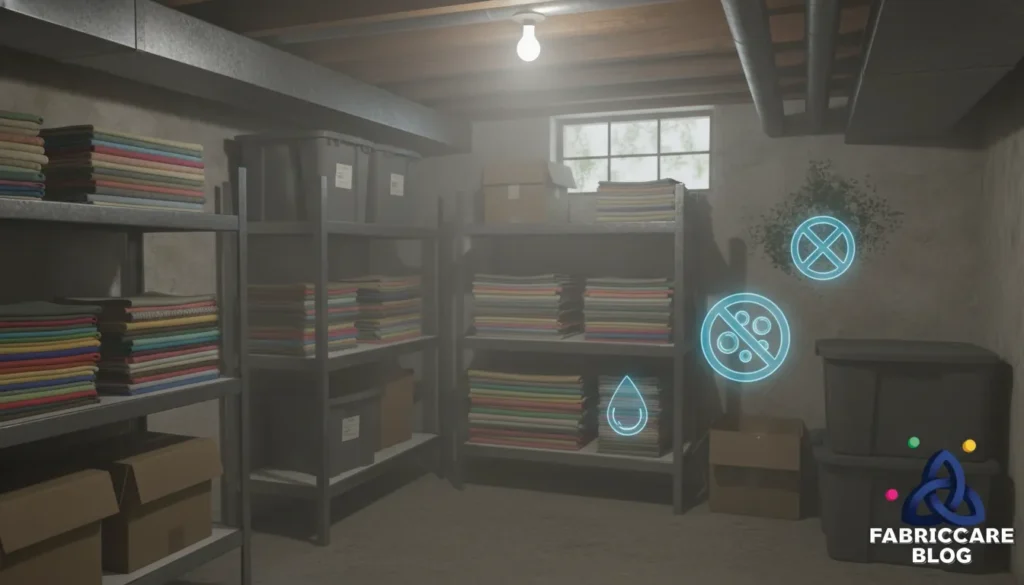
Poor drying habits are a common cause of moisture-related fabric damage. Folding or storing items before they are fully dry traps moisture inside, accelerating mold growth. Similarly, storing fabrics in basements, closets with limited ventilation, or sealed containers without moisture control increases risk. Proper fabric care involves thorough drying, adequate airflow, and periodic inspection of stored textiles.
Environmental humidity also plays a role. In humid climates or seasons, fabrics may absorb moisture from the air even when not in use. Using dehumidifiers, silica packets, or breathable storage solutions helps manage this risk.
By prioritizing moisture control through proper drying, ventilation, and storage, fabric care routines protect materials from mold-related damage and preserve fabric quality over the long term.
14. Fabric Care for Homes with Kids and Pets
Homes with kids and pets place unique demands on fabrics, making thoughtful fabric care essential for maintaining durability and hygiene. Increased activity, spills, friction, and exposure to hair, claws, and accidents accelerate fabric wear if not managed correctly. Effective fabric care in these environments focuses on prevention, quick response, and selecting appropriate maintenance routines rather than constant deep cleaning.
Frequent contact is one of the primary challenges. Upholstery, carpets, bedding, and clothing experience higher levels of abrasion due to movement, play, and repeated handling. This constant friction weakens fibers over time, especially in areas that are sat on, climbed on, or handled often. Fabric care strategies include rotating cushions, using washable covers, and distributing wear more evenly across surfaces to reduce localized damage.
Spills and stains are also more common in active households. Immediate response is critical to prevent substances from penetrating deep into fabric fibers. Fabric care emphasizes blotting rather than rubbing, using minimal moisture, and selecting cleaning methods compatible with the fabric type. Aggressive scrubbing or harsh chemicals may remove a stain quickly but often damage fibers and shorten fabric lifespan.
Pet-related factors introduce additional considerations. Fur, dander, and oils accumulate within fabric surfaces, attracting dust and increasing odor retention. Regular vacuuming and gentle brushing remove particles before they embed deeply. For fabrics frequently exposed to pets, choosing materials with tighter weaves and higher resistance to abrasion supports easier maintenance and longer durability.
Hygiene must be balanced with preservation. While cleanliness is important, overwashing and excessive heat accelerate fiber degradation. Fabric care in homes with kids and pets prioritizes consistent light maintenance, controlled cleaning frequency, and protective measures such as throws or covers.
By adopting preventive habits and responsive care routines, fabrics remain functional, clean, and visually acceptable even in busy households.
15. When Fabric Damage Becomes Irreversible
Not all fabric damage can be repaired, and understanding when deterioration becomes irreversible is a crucial part of effective fabric care. Many people continue attempting to clean or restore fabrics long after structural damage has already occurred, often worsening the problem. Recognizing the limits of repair helps prevent wasted effort and supports better preventive habits in the future.
Irreversible fabric damage usually begins at the fiber level. When fibers break down due to excessive heat, prolonged moisture exposure, or repeated friction, their original structure cannot be restored. Thinning areas, weakened seams, and loss of elasticity are clear indicators that fibers have lost their integrity. Once this stage is reached, no cleaning method can return the fabric to its original strength or performance.
Color damage is another common form of irreversible deterioration. Dye loss caused by excessive washing, harsh detergents, or prolonged sunlight exposure often results in uneven fading or discoloration. While some treatments may slightly improve appearance, the original color intensity cannot be fully recovered. Bleeding dyes and chemical reactions between fabrics and cleaning agents frequently lead to permanent visual changes.
Mold-related damage also tends to be irreversible. Even if surface mold is removed, spores may remain embedded within fibers, causing recurring odors or staining. In many cases, mold weakens fibers to the point where the fabric becomes brittle or unsafe for continued use. Fabric care emphasizes prevention because remediation options are limited and inconsistent.
Physical deformation, such as stretching, warping, or felting, often signals permanent damage as well. Knitted fabrics that have lost shape or wool that has felted due to heat and agitation cannot be reliably restored. Attempting aggressive correction methods typically increases damage.
Understanding when fabric damage cannot be reversed reinforces the importance of preventive fabric care. Early intervention, gentle handling, and informed decisions protect fabrics before they reach a point of no return.
16. How to Prevent Fabric Fading and Discoloration
Fabric fading and discoloration are among the most visible signs of improper fabric care. While some color change is inevitable over time, premature fading usually results from avoidable habits related to washing, drying, exposure to light, and chemical use. Understanding the causes of color loss allows fabric care routines to focus on preservation rather than correction.
Light exposure is one of the primary contributors to fading. Ultraviolet radiation breaks down dye molecules, weakening their bond with fibers and causing colors to lose intensity. Fabrics placed near windows, exposed to direct sunlight, or stored in brightly lit areas fade unevenly over time. Fabric care strategies include limiting direct light exposure, rotating items to distribute fading evenly, and using curtains or covers to shield textiles from constant sunlight.
Washing practices also play a significant role. High water temperatures, aggressive cycles, and harsh detergents accelerate dye release from fibers. Fabric care emphasizes using cooler water whenever possible and selecting detergents formulated to protect color. Turning garments inside out before washing reduces surface abrasion and minimizes direct contact between dyes and friction, preserving color vibrancy.
Chemical exposure further contributes to discoloration. Bleach, stain removers, and cleaning agents containing strong oxidizers can permanently alter fabric color if misused. Even residual chemicals left in washing machines may affect sensitive fabrics. Proper fabric care involves measuring products accurately, avoiding unnecessary chemical treatments, and rinsing thoroughly to prevent buildup.
Drying methods influence color retention as well. Prolonged high-heat drying weakens dye-fiber bonds and accelerates fading. Air drying or low-heat settings reduce thermal stress and help maintain consistent coloration. Removing fabrics promptly after drying prevents heat concentration and creasing.
By controlling light exposure, washing conditions, chemical use, and drying practices, fabric care routines effectively slow fading and discoloration, allowing fabrics to retain their original appearance for longer periods.
17. Choosing the Right Products for Fabric Care
Choosing the right products is a critical component of effective fabric care because cleaning agents, conditioners, and treatments interact directly with fibers. The wrong product, even when used occasionally, can weaken fabric structure, alter texture, or cause irreversible discoloration. Fabric care therefore prioritizes compatibility over convenience, focusing on how products affect materials over time rather than on immediate results alone.
Detergents are the most commonly used fabric care products, and their formulation matters significantly. Some detergents are designed for heavy soil removal and contain strong surfactants that strip oils and finishes from fibers. While effective for certain applications, these products can be too aggressive for regular use, especially on delicate or blended fabrics. Fabric care routines often favor mild or fabric-specific detergents that clean effectively without excessive chemical stress.
Stain removers require particular caution. Many contain oxidizing agents or solvents that break down stains quickly but also weaken fibers if overused or applied incorrectly. Fabric care emphasizes targeted application, limited contact time, and testing on inconspicuous areas before full use. This approach reduces the risk of spreading stains, color loss, or surface damage.
Conditioners and fabric softeners are often misunderstood. While they may improve softness temporarily, some formulations coat fibers with residues that attract dirt and reduce breathability. Over time, this buildup alters fabric performance. Fabric care involves evaluating whether such products are truly necessary and using them sparingly, if at all.
Specialty products, such as upholstery cleaners or fabric protectants, should be selected based on material type and usage conditions. Generic solutions may not account for specific fiber sensitivities. Reading product instructions carefully and matching them to fabric characteristics supports safer, more effective care.
By choosing products intentionally and using them correctly, fabric care routines protect fiber integrity, maintain appearance, and reduce the likelihood of long-term damage.
18. Building Long-Term Fabric Care Habits at Home
Long-term fabric care is not achieved through occasional deep cleaning or reactive fixes but through consistent habits that become part of daily and weekly routines. Fabrics respond best to steady, low-impact care practices that reduce cumulative stress over time. Building these habits requires understanding how small, repeated actions influence fiber health and material longevity.
One of the most effective long-term habits is intentional decision-making before cleaning. Asking whether an item truly needs to be washed, or whether airing or spot cleaning is sufficient, prevents unnecessary exposure to water, heat, and detergents. This approach reduces mechanical and chemical stress, allowing fabrics to retain strength and appearance longer. Fabric care benefits from restraint as much as from action.
Consistency in washing and drying practices is equally important. Using appropriate temperatures, gentle cycles, and correct load sizes as a default routine minimizes accidental damage. When these practices are habitual rather than occasional, fabrics experience less variation in stress, which supports structural stability over time. Establishing clear household guidelines for laundry helps maintain this consistency.
Storage and handling habits also contribute to long-term fabric care. Returning items to clean, dry, and well-ventilated storage after use prevents moisture retention and odor buildup. Folding or hanging items according to their structure avoids repeated strain on specific areas. Periodic inspection of stored fabrics helps identify early signs of deterioration, allowing corrective action before damage becomes irreversible.
Education plays a role as well. Understanding fabric types, care labels, and common risks empowers better choices and reduces reliance on trial-and-error methods. Sharing these principles among household members creates alignment and prevents inconsistent handling that undermines fabric care efforts.
By embedding thoughtful, low-impact practices into everyday routines, long-term fabric care becomes sustainable. These habits preserve fabric quality, reduce replacement costs, and support a cleaner, more functional home environment.