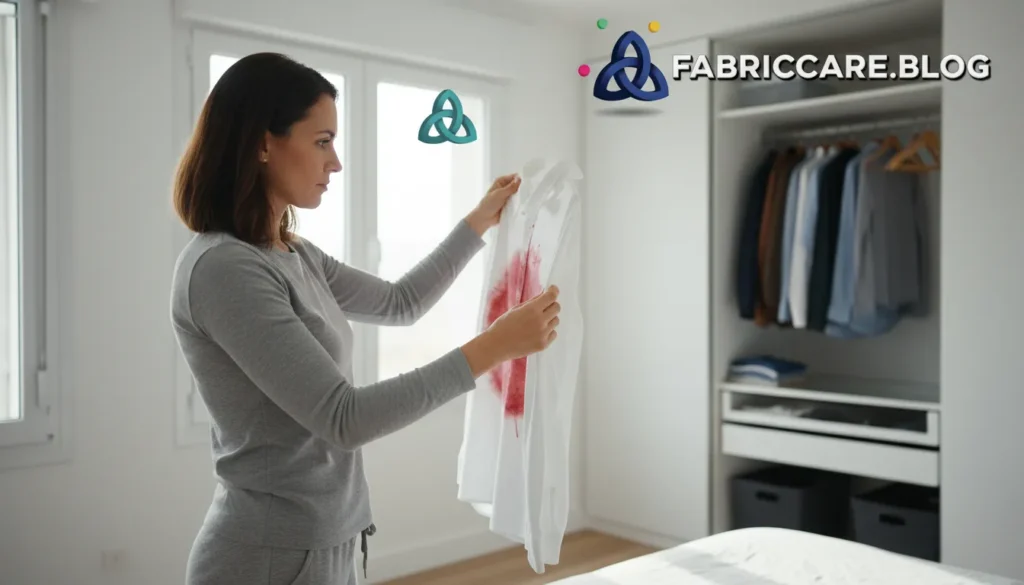
1. When to Stop Trying to Remove a Stain and Why This Decision Matters
Knowing when to stop trying to remove a stain is one of the most important fabric-care decisions you can make, yet it is rarely talked about. Most advice focuses on how to remove stains, not on when continued effort becomes harmful. As a result, many garments are damaged not by the stain itself, but by the repeated attempts made after the stain’s fate was already decided.
The instinct to keep trying is understandable. Stains feel temporary, and stopping can feel like giving up. But fabric has limits. Every attempt at stain removal introduces some combination of moisture, friction, chemicals, and often heat. One careful attempt may be tolerable. Multiple attempts compound stress, gradually weakening fibers and altering texture, even if the stain appears to change very little.
This is why learning when to stop trying to remove a stain matters more than learning a new technique. At a certain point, the cost of continued treatment exceeds the benefit of possible stain reduction. Past that point, the best outcome is no longer a cleaner garment, but a preserved one.
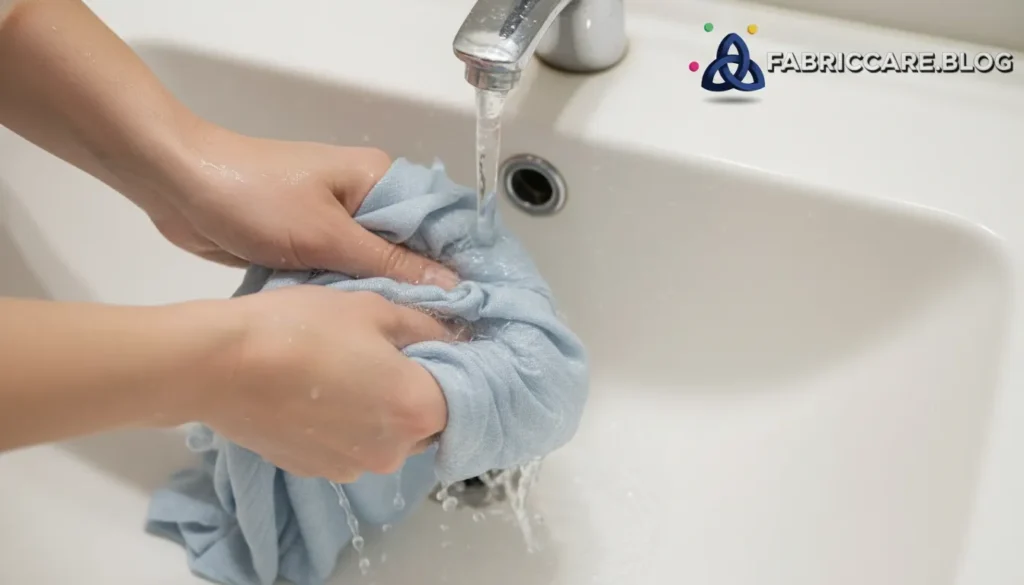
One of the biggest risks comes from false progress. When fabric is wet, stains often look lighter. This temporary masking convinces people that improvement is happening, encouraging another round of treatment. Once the garment dries, the stain returns unchanged, while the fabric has absorbed more stress. This cycle repeats until visible damage appears around the stained area, such as thinning, stiffness, or color distortion.
Another reason this decision matters is that stopping early preserves options. A garment with an intact structure and a faint mark can often be worn, layered, or treated gently in the future. A garment with damaged fibers, faded patches, or warped texture cannot be repaired, even if the stain is partially gone. In practical terms, a visible stain is often less noticeable than fabric damage.
Fabric care data consistently shows that irreversible damage usually occurs during the second or third aggressive attempt, not the first. Heat exposure, repeated washing, and scrubbing accelerate fiber breakdown. Once this damage begins, it progresses faster than stain removal does. Knowing when to stop interrupts this progression.
There is also an emotional element. Stain removal often becomes personal. Frustration replaces judgment, leading to “one more try” decisions that ignore warning signs. Defining a stopping point in advance removes emotion from the process. It turns stain care into a decision system instead of a reaction.
Stopping does not mean doing nothing. It means shifting goals. Instead of removal, the focus becomes stabilization, gentle care, and preventing further damage. This shift extends garment lifespan and maintains appearance over time.
Why stopping is a smart decision
Why this table exists:
This table clarifies what changes when you stop at the right time instead of escalating.
| Situation | Continued Treatment Leads To | Stopping Leads To |
|---|---|---|
| No improvement after attempt | Fiber stress | Fabric preserved |
| Heat already applied | Fixed damage | Controlled care |
| Texture change present | Visible wear | Wearability maintained |
| Emotional escalation | Over-treatment | Clear judgment |
How to use this table:
If continued effort increases stress without visible improvement, stopping is the correct and protective choice.
The key takeaway is simple but powerful: stains don’t usually ruin clothes — persistence does. Understanding when to stop trying to remove a stain protects fabric integrity, preserves garment value, and prevents a small problem from becoming irreversible damage.
2. The Hidden Damage That Happens After the First Failed Attempt
Understanding when to stop trying to remove a stain requires recognizing what happens after the first attempt fails. Most damage does not occur during the initial, careful treatment. It happens quietly in the attempts that follow, when the stain resists and effort increases.
After the first attempt, the fabric is already more vulnerable. Fibers have been exposed to moisture, possibly detergent or remover, and some level of friction. Even when handled gently, this exposure changes how the fabric reacts to the next step. The second attempt rarely starts from a neutral state — it starts from a weakened one.
One of the most overlooked forms of damage is fiber fatigue. Each additional attempt adds stress without giving fibers time to recover. Wet fibers swell and lose strength. Repeated wetting and drying cycles cause microscopic fractures that are invisible at first but accumulate quickly. By the time damage becomes visible, it is already irreversible.
Chemical buildup is another hidden issue. Detergents and stain removers do not always rinse out completely, especially when applied repeatedly to the same spot. Residue stiffens fibers, dulls color, and attracts future dirt. The stained area may look cleaner briefly, but it often darkens again faster than the surrounding fabric because of residue left behind.
Heat compounds these problems. Even low or indirect heat — warm water, a dryer “just to check,” or ironing near a damp stain — accelerates bonding and fiber breakdown. Once heat enters the process after a failed attempt, the chances of safe improvement drop sharply.
The most dangerous aspect of repeated attempts is false reinforcement. Small visual changes convince people that progress is happening, even when structural damage is increasing. This encourages continued effort until thinning, roughness, or discoloration becomes obvious.
Post-attempt damage progression
Why this table exists:
This table shows how damage escalates after the first failed attempt, even when intentions are good.
| Attempt Stage | What Changes | Long-Term Impact |
|---|---|---|
| First attempt | Fibers stressed | Usually recoverable |
| Second attempt | Fiber fatigue | Weakening begins |
| Repeated attempts | Residue buildup | Dullness, stiffness |
| Added heat | Bonding fixed | Permanent damage |
How to use this table:
If the first attempt does not produce clear improvement, reassess instead of repeating the same method.
The key takeaway is that the danger zone begins after the first failure. Recognizing this hidden damage helps you decide when to stop trying to remove a stain and prevents escalation from becoming irreversible fabric damage.
3. Clear Signs That Further Stain Removal Will Cause Harm
Knowing when to stop trying to remove a stain becomes much easier once you can recognize the signs that continued treatment will do more harm than good. These signs are not subtle. The problem is that many people notice them but choose to ignore them, hoping that “one more try” will finally work.
One of the clearest signs is no visible improvement after a careful attempt. If you applied a method correctly, allowed time for it to work, and saw no real change once the fabric dried, repeating the same process rarely produces a different outcome. At this point, additional attempts increase stress without increasing effectiveness.
Another strong warning sign is texture change. If the fabric feels rougher, thinner, stiffer, or less flexible in the stained area, the fibers are already being damaged. Texture damage always progresses faster than stain removal. Once you can feel or see it, the window for safe treatment has likely closed.
Color distortion is another indicator. This includes fading, patchiness, halos, or areas that look lighter or duller than the surrounding fabric. These changes often appear before the stain fully lifts, especially on dark or dyed fabrics. When color changes begin, continued stain removal almost always makes the damage more visible.
Repeated exposure to heat is a final, decisive signal. If the stain has gone through a dryer, been ironed, or exposed to warm or hot water while still visible, the risk profile changes completely. At this stage, further removal attempts are unlikely to succeed and very likely to harm the garment.
Harm threshold indicators
Why this table exists:
This table summarizes the signals that mark the transition from treatment to damage.
| Warning Sign | What It Means | Correct Action |
|---|---|---|
| No improvement | Method exhausted | Stop |
| Texture change | Fiber damage | Preserve |
| Color change | Dye loss | Stop immediately |
| Heat exposure | Fixed bonding | Do not escalate |
| Multiple attempts | Rising stress | End treatment |
How to use this table:
If two or more warning signs are present, stopping is the safest and most responsible choice.
The key takeaway is that fabric always signals its limits before it fails completely. Learning to recognize these signs protects garments and helps you decide when to stop trying to remove a stain before damage becomes permanent.
4. How Fabric Texture Changes Signal It’s Time to Stop
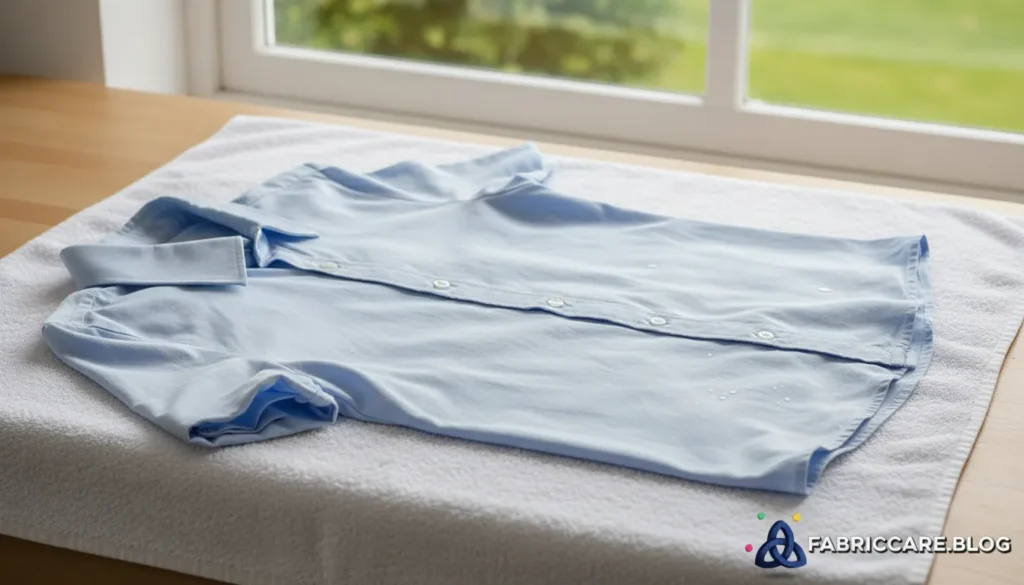
One of the most reliable ways to decide when to stop trying to remove a stain is by paying attention to texture changes in the fabric. Color can mislead. Texture does not. When the way a fabric feels or behaves changes, the fibers themselves are being altered — and that is a clear signal that continued treatment is unsafe.
Texture damage often starts subtly. The stained area may feel slightly rougher, less flexible, or different from the surrounding fabric when you run your fingers over it. This usually happens after repeated wetting, friction, or chemical exposure. At this stage, the stain may still be visible, but the fabric is already losing strength. Continuing to treat the stain accelerates fiber breakdown faster than it improves appearance.
Another texture warning sign is thinning. The fabric may stretch more easily, feel weaker, or appear slightly sheer when held up to light. This is common after scrubbing, multiple wash cycles, or strong stain removers. Once thinning begins, the fabric is structurally compromised. Even gentle additional treatment can lead to holes, tears, or permanent distortion.
Stiffness is another critical indicator. If the stained area feels board-like or crunchy, residue or heat damage is likely present. Chemical buildup can coat fibers, while heat can alter their structure. In both cases, the fabric has crossed from treatable to vulnerable. Further attempts rarely remove the stain and almost always make the stiffness more noticeable.
Some fabrics also develop a shiny or flattened patch, especially synthetics and blends. This sheen is not cleanliness; it is fiber deformation caused by heat or pressure. Once this appears, stain removal attempts tend to enlarge the damaged area rather than improve it.
Texture-based stop signals
Why this table exists:
This table helps you translate texture changes into clear stop decisions.
| Texture Change | What It Indicates | Safest Response |
|---|---|---|
| Rough or scratchy feel | Fiber abrasion | Stop friction |
| Thinning or weakness | Structural damage | End treatment |
| Stiff or crunchy area | Residue or heat damage | Rinse gently, then stop |
| Shiny patch | Fiber deformation | Avoid further treatment |
How to use this table:
If the fabric no longer feels the same as the surrounding area, the stain is no longer the main problem. Preservation becomes the correct goal.
The key takeaway is that texture changes are non-negotiable warnings. When fabric texture shifts, the safest decision is to stop trying to remove the stain and protect the garment before visible damage becomes irreversible.
5. Why Repeated Washing and Drying Accelerates Fabric Failure
Understanding when to stop trying to remove a stain requires recognizing the role of repeated washing and drying in fabric failure. Many people assume that running a garment through another cycle is a neutral step. It isn’t. Each wash–dry cycle compounds stress, even when the stain itself barely changes.
Washing introduces three stressors at once: water saturation, chemical exposure, and mechanical agitation. Fibers swell when wet, lose tensile strength, and rub against other fabrics. Detergents lift soil, but they also strip small amounts of fiber and dye with every cycle. When a stain is already resistant, additional washes rarely target the residue effectively — they target the fabric instead.
Drying magnifies this damage. Heat accelerates chemical reactions and permanently fixes whatever residue remains. Tumbling adds friction at a moment when fibers are already weakened from washing. Even “low heat” or “air” settings expose fabric to enough warmth and movement to worsen fiber fatigue. Once a stain has survived a wash, drying usually seals its status as set-in.
Another hidden problem is false confirmation. A stain may look lighter when wet at the end of a wash cycle. This encourages people to dry the garment “just to see.” When the fabric cools and dries, the stain reappears unchanged, but the fibers have paid an additional cost. This loop — wash, check, dry — is one of the most common paths to irreversible damage.
Repeated cycles also distort fabric shape. Seams twist, knits stretch, and woven fabrics lose crispness. These changes draw more attention than a faint stain ever would. In practical terms, the garment looks worn out because of the process, not because of the original stain.
Wash–dry escalation table
Why this table exists:
This table shows how each additional cycle shifts the balance from cleaning to damage.
| Cycle Stage | What Changes | Long-Term Effect |
|---|---|---|
| First wash | Fibers stressed | Usually recoverable |
| First dry | Bonding fixed | Stain set |
| Repeated cycles | Fiber fatigue | Thinning, distortion |
| Continued drying | Heat damage | Garment failure |
How to use this table:
If a stain remains visible after a wash, do not dry. Air-dry, reassess, and decide whether stopping is the safer choice.
The key takeaway is that washing and drying are confirmation steps, not treatment tools. When repeated cycles stop improving results, they become the main reason you should stop trying to remove a stain and start preserving the garment instead.

6. When Color Changes Mean Damage, Not Progress
One of the clearest signals for when to stop trying to remove a stain is a change in color that affects the fabric itself, not the stain. Color change often looks like progress at first. The stained area appears lighter, duller, or less visible. In reality, this usually means dye or fiber damage has started while the stain remains bonded.
True stain removal reduces residue without altering the surrounding fabric color. Damage-driven fading does the opposite. It lowers contrast by stripping dye, creating a washed-out patch that draws attention over time. This is especially common when strong products, repeated applications, or heat are involved. The stain didn’t lift; the fabric lost color.
A common warning pattern is uneven lightening. The treated area becomes paler than the rest of the garment, sometimes with a soft halo. This indicates dye migration or loss, not cleaning success. Once this happens, additional treatment almost always enlarges the faded area, making the damage more visible than the original stain.
Another red flag is color change after drying. When a garment looks acceptable while wet but dries with a lighter or dull patch, heat has finalized dye damage. At this point, continuing to treat the stain rarely improves appearance and often worsens the contrast between damaged and intact fabric.
Dark, richly dyed, and patterned fabrics reach this limit faster. On these materials, color loss appears before the stain is fully removed. Continuing past this point trades a small mark for a permanently uneven garment.
Color-change stop signals
Why this table exists:
This table helps you distinguish between real cleaning progress and early fabric damage.
| Color Change | What It Indicates | Safest Action |
|---|---|---|
| Even stain fading | Possible progress | Proceed cautiously |
| Patchy lightening | Dye loss | Stop treatment |
| Halo around stain | Migration | Do not escalate |
| Fading after drying | Heat damage | Preserve fabric |
| Overall dullness | Chemical residue | Rinse and stop |
How to use this table:
If the fabric’s color changes before the stain disappears, the fabric has reached its limit. Stopping protects appearance and prevents irreversible damage.
The key takeaway is that color change is not neutral. When fabric color shifts, the safest decision is to stop trying to remove the stain and preserve the garment before damage becomes permanent.
7. How Fabric Type Changes the Stopping Point
Knowing when to stop trying to remove a stain depends heavily on fabric type. The same stain can tolerate multiple cautious attempts on one fabric and become destructive after a single misstep on another. Fabric determines how much stress is acceptable — and how early the stopping point should be.
Durable fabrics like heavy cotton, denim, and some linens have a wider tolerance window. They can sometimes withstand limited testing and one or two careful attempts without immediate structural damage. Even so, repeated washing, scrubbing, or heat will eventually thin fibers and dull color. Durability is not immunity; it simply delays the point at which stopping becomes necessary.
Delicate fabrics reach that point much faster. Silk, wool, viscose, rayon, and fine knits react strongly to moisture, agitation, and temperature changes. On these materials, stains often become functionally “set” earlier, not because bonding is stronger, but because the fabric cannot tolerate the actions needed to remove them. In practice, this means stopping sooner — sometimes after a single careful attempt.
Synthetic fabrics add another layer of complexity. Polyester, nylon, and blends may resist absorption initially, giving the illusion of safety. Once heat is introduced, however, their fibers can soften, deform, or develop sheen. At that stage, continued stain removal risks permanent texture and appearance changes that are more noticeable than the stain itself.
Fabric finishes and dyes also influence the stopping point. Garments with coatings, wrinkle-resistant finishes, deep dyes, or special treatments often show damage quickly. What appears to be stain persistence may actually be finish breakdown or dye movement caused by earlier treatment. Continuing to treat the “stain” only worsens the visible damage.
Fabric-based stopping thresholds
Why this table exists:
This table shows how different fabrics change the point at which stopping is the safest decision.
| Fabric Type | Stress Tolerance | When to Stop |
|---|---|---|
| Heavy cotton | Moderate–high | After limited failed attempts |
| Denim | High | Before visible thinning |
| Wool | Low | After first resistance |
| Silk | Very low | After initial test |
| Synthetics | Variable | Before heat exposure |
| Finished fabrics | Low | At first color or texture change |
How to use this table:
If the fabric has low tolerance, assume an earlier stopping point. Preserving the material is more important than removing the stain completely.
The key takeaway is that fabric sets the limit, not the stain. When you align your stopping decision with fabric tolerance, you avoid damage that no amount of stain removal can undo and make smarter choices about when to stop trying to remove a stain.
8. Emotional Escalation and the Trap of “One More Try”
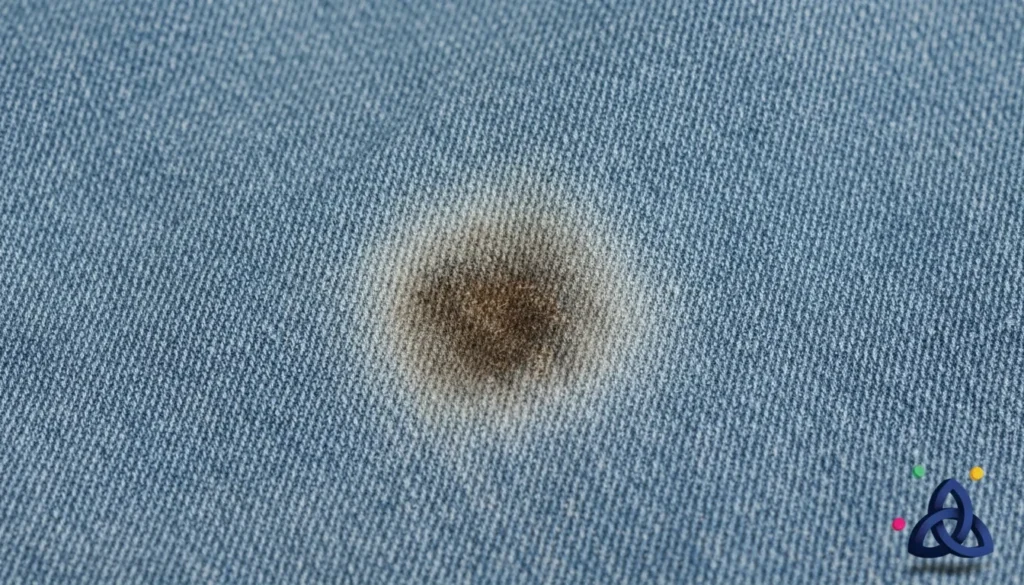
One of the hardest parts of knowing when to stop trying to remove a stain has nothing to do with fabric or chemistry. It has to do with emotion. Stain removal often turns into a psychological battle, where logic quietly gives way to frustration, urgency, and the belief that one more attempt will finally solve the problem.
This escalation usually starts after an initial failure. The stain doesn’t disappear, but it looks slightly lighter. That small change creates hope. Hope turns into pressure to continue. Each new attempt feels justified because “it’s already better than before.” In reality, the fabric is being stressed more than the stain is being reduced.
The phrase “one more try” is the most dangerous signal in stain care. It almost always appears after warning signs are already present: no real improvement, texture change, or color distortion. At this stage, the decision is no longer technical — it is emotional. The goal shifts from protecting the garment to proving that the stain can be beaten.
Emotional escalation also compresses time. People skip air-drying, ignore fabric labels, increase temperature, or stack products because they want closure. This rush eliminates the pause that normally prevents damage. Once urgency takes over, restraint disappears.
Another trap is sunk cost thinking. After investing time and effort, stopping feels like losing. But continuing does not recover the loss — it compounds it. The garment does not reward persistence. It responds only to physical limits, not intention.
Emotional escalation warning table
Why this table exists:
This table helps you recognize when emotion, not evidence, is driving decisions.
| Emotional Signal | What It Indicates | Correct Response |
|---|---|---|
| “One more try” | Frustration | Stop immediately |
| Rushing steps | Urgency | Pause and reassess |
| Ignoring warnings | Denial | Preserve fabric |
| Escalating methods | Loss of restraint | End treatment |
| Sunk cost thinking | Emotional bias | Accept outcome |
How to use this table:
When emotion replaces observation, stopping is the smartest action you can take.
The key takeaway is that most garments are ruined after the technical decision was already clear. Learning to recognize emotional escalation protects clothes by cutting off damage at the moment logic starts to fade — a critical skill for knowing when to stop trying to remove a stain.
9. A Practical Stop-or-Continue Decision Framework
When you’re unsure when to stop trying to remove a stain, a clear decision framework removes guesswork and emotion. Instead of reacting to frustration or hope, this framework forces you to evaluate evidence and choose the safest path for the fabric.
The framework works by answering three questions in order. If you reach a “no” at any point, continuing treatment is no longer justified.
First: Did the last attempt produce clear, lasting improvement?
Improvement must be visible after the fabric is fully dry, not just while wet. If the stain returns unchanged, the attempt failed. Repeating a failed method rarely changes the outcome and increases damage risk.
Second: Is the fabric unchanged in texture and color?
Run your fingers over the treated area and compare it to surrounding fabric. Look for thinning, stiffness, shine, or color distortion. If any of these are present, the fabric is signaling stress. At this point, the stain is no longer the primary risk.
Third: Does the fabric type tolerate another attempt?
Durable fabrics may allow limited further testing. Delicate, finished, or deeply dyed fabrics usually do not. If the fabric’s tolerance is low, stopping early preserves appearance and structure.
Only when all three answers support continuation should another attempt be considered. Otherwise, stopping is the correct and protective decision.
Stop-or-continue decision table
Why this table exists:
This table turns observation into a clear action choice.
| Question | Yes Means | No Means |
|---|---|---|
| Last attempt worked? | Consider one cautious step | Stop |
| Fabric unchanged? | Risk still manageable | Preserve |
| Fabric tolerant? | Limited testing possible | End treatment |
How to use this table:
If any answer falls into the “No” column, switch immediately from removal to preservation.
The key takeaway is that good stain care follows rules, not instincts. A simple framework helps you decide when to stop trying to remove a stain before damage becomes the real problem.
10. What to Do After You Decide to Stop Removing a Stain
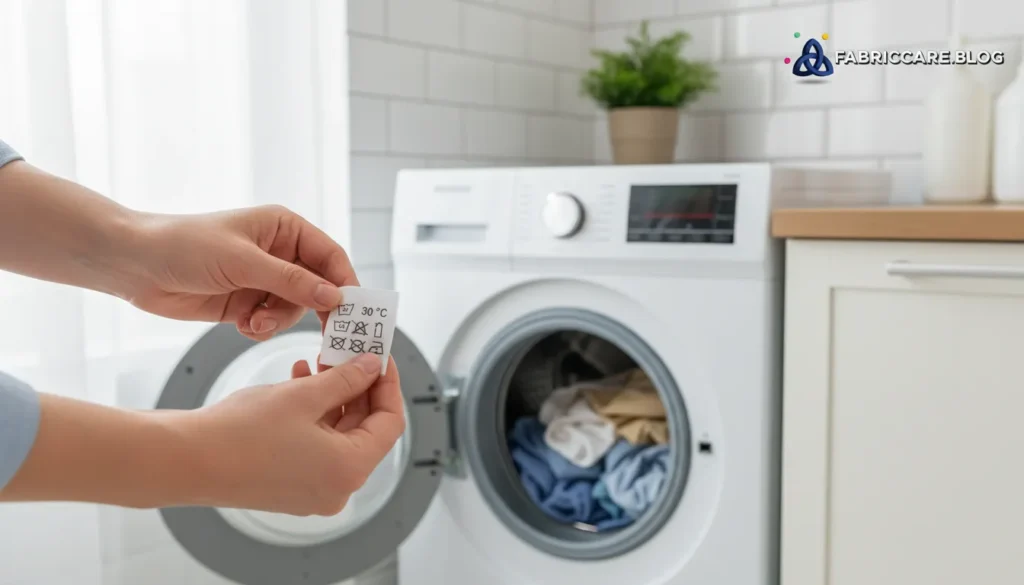
Once you decide when to stop trying to remove a stain, the next question is what happens next. Stopping does not mean abandoning the garment. It means changing strategy from removal to preservation, so the fabric stays wearable, stable, and visually acceptable for as long as possible.
The first step after stopping is stabilization. Rinse the treated area gently with cool water to remove any remaining product residue. Residue left in fibers can stiffen fabric, attract dirt, and accelerate wear over time. Do not scrub. Let water do the work. After rinsing, gently press excess moisture out with a towel instead of wringing.
Next comes controlled drying. Air-dry the garment away from direct heat or sunlight. Lay flat or hang in a way that prevents distortion. Drying fully allows you to see the true state of the stain and the fabric without introducing new stress. Avoid dryers or irons at this stage, even on low settings.
After drying, reframe the goal. Instead of focusing on complete removal, evaluate whether the stain is acceptable in real use. Many faint stains are invisible when worn, layered, or viewed in normal lighting. A structurally intact garment with a minor mark often looks better than one with thinning, fading, or shine caused by over-treatment.
Preservation also includes adjusting future care. Wash the garment inside out, use gentle cycles, lower temperatures, and minimal detergent. Avoid spot-treating the same area again unless new information or a professional method is involved. Consistency prevents the stain area from becoming a stress point.
In some cases, professional cleaning is the best next step. A cleaner can assess whether specialized solvents or controlled methods are appropriate. Importantly, stopping early preserves the fabric so professional options remain viable. Once fibers are damaged, even professionals have limited ability to help.
Post-decision preservation table
Why this table exists:
This table outlines safe actions after deciding to stop stain removal.
| Action | Purpose | Benefit |
|---|---|---|
| Gentle rinse | Remove residue | Prevent stiffness |
| Air-dry | Reveal true state | Avoid heat damage |
| Adjust care | Reduce stress | Extend lifespan |
| Reassess appearance | Set expectations | Prevent over-treatment |
| Consider professionals | Controlled intervention | Preserve options |
How to use this table:
Follow these steps in order to protect fabric once removal attempts have ended.
The key takeaway is that stopping is not the end of care — it is a smarter phase of it. Knowing what to do after you stop trying to remove a stain keeps garments wearable, prevents further damage, and turns a difficult situation into a controlled one.
11. How Stopping Early Preserves Garment Lifespan
Understanding when to stop trying to remove a stain directly affects how long a garment remains wearable. The earlier you stop at the right moment, the more fabric integrity you preserve. Lifespan is not determined by how aggressively you fight stains, but by how well you protect fibers once resistance appears.
Every garment has a finite tolerance for stress. Moisture weakens fibers, friction abrades them, chemicals strip protection, and heat accelerates breakdown. When stain removal continues past the fabric’s tolerance point, these forces stack rapidly. Stopping early interrupts this stacking effect before damage compounds.
One of the biggest advantages of stopping early is structural preservation. Fibers that are not repeatedly swollen, rubbed, and heated maintain their original strength and elasticity. This prevents thinning, tearing, and seam distortion over time. A garment that retains its structure ages gradually instead of failing suddenly.
Early stopping also protects appearance longevity. Color loss, shine, and texture distortion draw attention far more than faint stains. When you stop before these changes begin, the garment continues to look intentional and well-kept. In real-world wear, minor marks are often unnoticed, while fabric damage is immediately visible.
Another benefit is consistent future care. A garment that has not been over-treated responds better to gentle washing, folding, and storage. The stained area does not become a recurring weak spot that deteriorates faster than the rest of the fabric. Over months and years, this consistency dramatically extends usable life.
From a practical perspective, stopping early saves time and money. Fewer treatments mean fewer wash cycles, less product use, and lower risk of needing replacement. Over an entire wardrobe, this approach reduces wear and extends the life of clothing across the board.
Lifespan preservation table
Why this table exists:
This table connects stopping decisions with long-term garment outcomes.
| Decision Point | Immediate Effect | Long-Term Result |
|---|---|---|
| Stop after resistance | Limits stress | Fibers preserved |
| Avoid repeated cycles | Prevents fatigue | Shape retained |
| No heat escalation | Protects dye | Color longevity |
| Gentle ongoing care | Stable handling | Extended lifespan |
How to use this table:
If a stopping decision reduces stress now, it increases garment life later.
The key takeaway is that garments last longer when care decisions are conservative, not aggressive. Knowing when to stop trying to remove a stain is one of the simplest and most effective ways to preserve clothing lifespan and avoid premature wear.

12. Turning Stopping Points Into a Smart Fabric Care Habit
Learning when to stop trying to remove a stain becomes far more powerful when it stops being a one-time decision and turns into a habit. Habits remove hesitation. They replace emotional reactions with consistent rules that protect fabric automatically.
The key to building this habit is defining a personal stopping rule before stains happen. For example: one careful attempt, no heat while visible, stop at the first texture or color change. When rules are pre-set, you don’t negotiate with frustration in the moment. You simply follow the system.
Another habit is treating diagnosis as part of care, not a delay. Air-drying to reassess, checking texture under good light, and comparing treated areas to untouched fabric should feel normal, not optional. These pauses prevent rushed decisions and keep damage from creeping in unnoticed.
Smart fabric care habits also involve expectation management. Not every stain needs to disappear completely. Many garments remain perfectly wearable with faint marks that no one else notices. Accepting this early prevents over-treatment and keeps clothes looking better overall.
Over time, this approach changes how you interact with your wardrobe. Clothes last longer. Fewer items are retired early. Stain situations feel controlled instead of stressful. The habit of stopping at the right time quietly improves fabric longevity without requiring extra effort.
Habit reinforcement table
Why this table exists:
This table shows how stopping rules turn into long-term care habits.
| Habit | What It Prevents | Long-Term Benefit |
|---|---|---|
| Predefined stop rule | Emotional escalation | Consistent decisions |
| Air-dry reassessment | Rushed treatment | Clear diagnosis |
| Texture checks | Invisible damage | Fabric protection |
| Acceptance of minor marks | Over-treatment | Better appearance |
How to use this table:
If a habit reduces decision stress, it also reduces fabric damage.
The final takeaway is this: smart fabric care is not about perfection — it’s about restraint. Turning stopping points into habits ensures you consistently know when to stop trying to remove a stain, protect your clothes, and extend their usable life without constant effort.