

1. How to Read Laundry Care Labels Without Guessing
Learning How to Read Laundry Care Labels is one of the simplest ways to avoid fabric damage and washing mistakes. Care labels are designed to give clear guidance about how a garment should be washed, dried, and cared for, yet many people ignore them because they seem confusing or overly technical. In reality, these labels are meant to reduce guesswork, not complicate laundry routines.
Laundry care labels exist because fabrics react differently to water, heat, and movement. A label reflects how the garment was tested during production and indicates the safest limits for cleaning. When labels are ignored repeatedly, clothes may shrink, fade, lose shape, or wear out much faster than expected. Understanding labels helps prevent these problems before they happen.
Most care labels use simple symbols rather than long instructions. These symbols follow international standards, which means the same shapes appear on clothing regardless of brand or country. Once you recognize the basic categories—washing, bleaching, drying, and ironing—the information becomes easier to interpret. Each symbol gives a clear signal about what the fabric can and cannot tolerate.

One important point when learning How to Read Laundry Care Labels is that labels usually show the maximum safe conditions, not the only option. For example, a label that allows warm washing does not require it. Choosing a lower temperature or gentler cycle is often safer and still effective. Problems usually occur when washing goes beyond the limits shown on the label.
It also helps to view labels as guidance for decision-making, not rigid rules. Real-life laundry situations vary, and loads often include multiple garments. When labels differ, choosing the most conservative option usually protects all items in the load. This approach reduces risk without adding extra steps to the routine.
By understanding the purpose of care labels and how to read them correctly, laundry becomes more predictable and less stressful. How to Read Laundry Care Labels without guessing is about gaining confidence, protecting fabrics, and making informed choices that keep clothes looking and feeling better over time.
2. Why Laundry Care Labels Matter for Fabric Care
Laundry care labels play a crucial role in fabric care because they explain how a garment was designed to be cleaned and maintained. Understanding How to Read Laundry Care Labels helps prevent many common laundry problems that occur when clothes are washed based on habit instead of guidance.
Care labels exist to protect fabric structure. During manufacturing, garments are tested to see how they respond to water, heat, agitation, and chemicals. The results of these tests determine what instructions appear on the label. Following these recommendations helps keep fibers stable and reduces unnecessary stress during washing and drying.
Another reason labels matter is consistency. Fabrics often go through repeated washing over time, and small mistakes can accumulate. Ignoring a label once may not cause visible damage, but repeating the same mistake over dozens of washes can lead to shrinking, fading, or thinning fabric. Labels help maintain consistency in care, which supports long-term garment quality.
Laundry care labels also help manage mixed loads. When washing several items together, labels make it easier to choose settings that are safe for all garments in the load. Selecting the most gentle option based on the labels present reduces risk and prevents damage to more sensitive items.
Labels are especially important for blended and treated fabrics. When a garment combines multiple fibers or includes special finishes, it may react differently than expected. The care label reflects these details and provides guidance that is not always obvious by touch or appearance alone.
By understanding why labels matter, learning How to Read Laundry Care Labels becomes more practical and meaningful. Labels are not just instructions—they are tools that support better fabric care, reduce mistakes, and help clothes maintain their appearance and comfort over time.
3. Understanding Washing Symbols on Clothing Labels
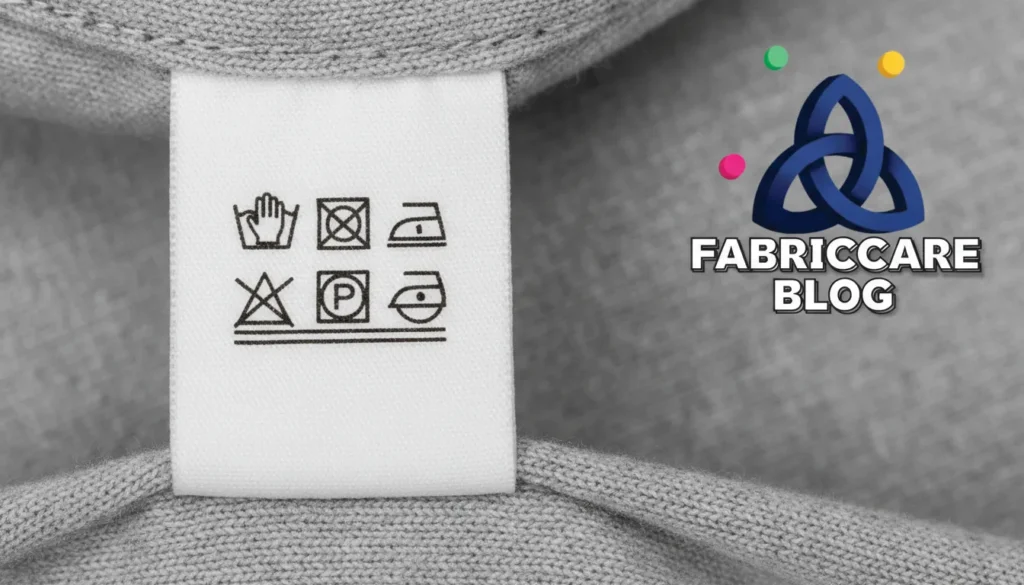
Washing symbols are often the first elements people notice when learning How to Read Laundry Care Labels, and they provide essential guidance about how a garment should be cleaned. These symbols focus specifically on the washing process, including whether an item can be machine washed, hand washed, or should avoid water altogether.
The most common washing symbol is a tub filled with water. This symbol indicates that the garment can be washed with water, usually in a washing machine. Variations of this symbol add important details. For example, a hand inside the tub means the item should be hand washed, while a crossed-out tub signals that the garment should not be washed with water at all and may require alternative cleaning methods.
Numbers or dots inside the washing symbol refer to water temperature limits. A single dot or a lower number usually indicates cold water, while multiple dots or higher numbers allow for warmer temperatures. These indicators help prevent damage caused by excessive heat, such as shrinking or color fading.
Lines under the washing symbol communicate cycle intensity. No line typically means a normal cycle is acceptable, while one or two lines suggest gentler agitation. These details are especially important for delicate fabrics, knits, or garments with added structure that can be damaged by strong movement.
Another variation to notice is the crossed-out symbol, which clearly signals a restriction. Ignoring these warnings often leads to immediate or long-term damage. When a washing symbol is crossed out, it usually means the garment should not be exposed to water-based washing methods.
Understanding washing symbols allows you to make safer decisions without memorizing long instructions. When you know what each variation means, How to Read Laundry Care Labels becomes faster and more intuitive, helping you choose washing methods that protect fabrics and extend garment life.
4. What Water Temperature Symbols Really Mean
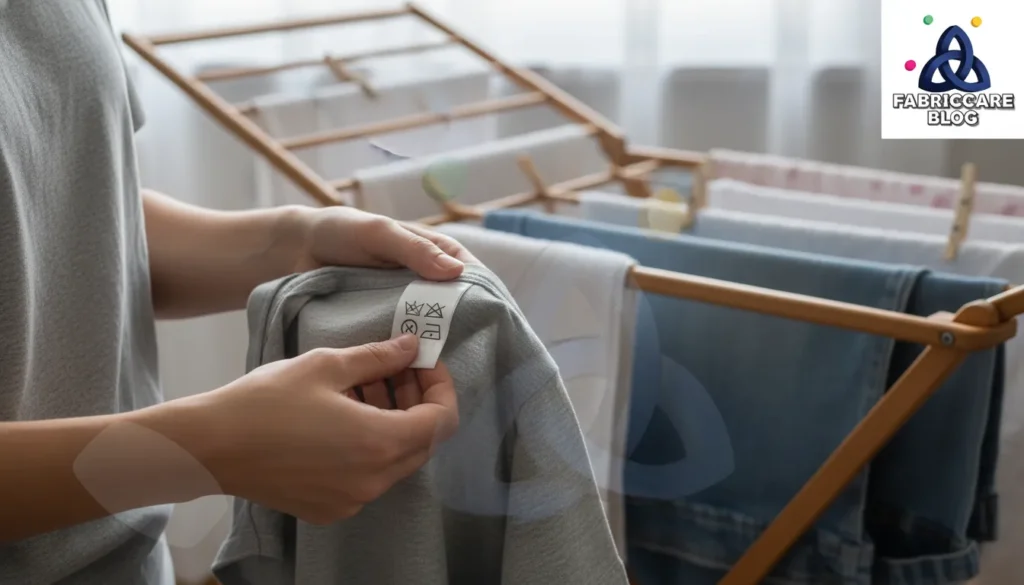
Water temperature symbols are a key part of learning How to Read Laundry Care Labels, yet they are often misunderstood or ignored. These symbols exist to show the maximum safe temperature a fabric can tolerate during washing, helping prevent damage caused by excess heat.
On many labels, temperature is shown using dots inside the wash tub symbol. One dot usually represents cold water, two dots indicate warm water, and three dots allow for hot water. This simple system helps you quickly identify how much heat a garment can handle without needing written instructions.
Some labels use numbers instead of dots, showing the maximum temperature in degrees. These numbers typically refer to Celsius, which can be confusing at first. However, the key point is not the exact number, but the relative limit. Washing below the stated maximum is always safer than exceeding it.
Understanding that these symbols show upper limits is essential. If a label allows warm or hot water, it does not require it. Choosing a cooler temperature often protects fabric better while still cleaning effectively, especially with modern detergents designed for cold washes.
Water temperature symbols are especially important for blended and delicate fabrics. Even small increases in heat can cause shrinking, color bleeding, or texture changes in sensitive materials. Following the symbol guidance helps avoid irreversible damage.
By learning what water temperature symbols really mean, How to Read Laundry Care Labels becomes more practical and less intimidating. These symbols offer quick, reliable guidance that helps you make safer washing decisions and maintain fabric quality over time.
5. Decoding Wash Cycle and Agitation Symbols
Wash cycle and agitation symbols are an important part of understanding How to Read Laundry Care Labels because they explain how much movement a garment can safely handle during washing. These symbols help protect fabrics from damage caused by excessive agitation, even when water temperature is correct.
The number of lines under the wash tub symbol indicates cycle intensity. No line usually means a normal wash cycle is safe. One line suggests a reduced or gentle cycle, while two lines signal very gentle agitation. These variations are designed to limit movement for fabrics that can stretch, pill, or lose shape under strong action.
Gentle agitation is especially important for knits, delicate weaves, and blended fabrics. Strong movement can cause fibers to rub excessively against each other, leading to thinning fabric or surface wear. Following agitation symbols helps reduce this friction and preserves garment structure.
Some garments may also show a hand wash symbol, which indicates that machine agitation is too strong, even on gentle cycles. In these cases, hand washing or using a dedicated delicate cycle with minimal movement is safer than regular machine washing.
Ignoring wash cycle symbols often leads to subtle damage rather than immediate failure. Clothes may come out clean at first, but repeated exposure to strong agitation gradually weakens seams, stretches fibers, and shortens garment lifespan. These effects build up over time and are often mistaken for normal wear.
By paying attention to wash cycle and agitation symbols, How to Read Laundry Care Labels becomes more effective. These symbols help you match washing movement to fabric tolerance, reducing damage and keeping clothes in better condition through repeated washes.

6. What Bleaching Symbols Tell You About Fabric Safety
Bleaching symbols are a critical part of learning How to Read Laundry Care Labels because they explain whether a fabric can safely tolerate bleaching agents. Misunderstanding these symbols often leads to immediate and irreversible damage, especially color loss and fiber weakening.
The most common bleaching symbol is a triangle. When the triangle appears plain, it usually indicates that bleaching is allowed, but not without limits. A triangle with diagonal lines inside typically means non-chlorine bleach only, signaling that chlorine bleach may damage the fabric. A triangle with an “X” through it clearly states that no bleach should be used at all.
Bleach affects fabrics at a chemical level. Chlorine bleach is particularly harsh and can weaken fibers, cause yellowing, or strip color from fabrics that are not designed to handle it. Even when a label allows bleaching, using it too frequently can shorten fabric lifespan. This is why many labels restrict bleach use rather than encouraging it.
Color is another important factor. White or colorfast fabrics may tolerate certain bleaching agents better than dyed or printed garments. For colored fabrics, non-chlorine bleach is often the safer option when stain removal is necessary. Ignoring bleaching symbols commonly results in uneven fading or patchy discoloration.
Bleaching symbols also apply beyond stain treatment. Some detergents contain bleaching agents, even if they are not labeled as bleach. When a label forbids bleaching, choosing a mild detergent without added bleaching components helps protect the fabric.
Understanding bleaching symbols allows you to make safer decisions when treating stains and maintaining clothes. When you know what these symbols mean, How to Read Laundry Care Labels becomes a practical tool for protecting fabric integrity and avoiding costly mistakes.
7. Understanding Drying Symbols on Care Labels
Drying symbols are a key part of learning How to Read Laundry Care Labels, because many fabric problems happen after washing, not during it. Even when clothes are washed correctly, improper drying can cause shrinking, stiffness, or permanent shape changes.
Most drying symbols are represented by a square, which refers to the drying process. When a circle appears inside the square, it usually means the garment can be machine dried. Variations of this symbol provide important details about heat levels and drying methods.
Dots inside the circle indicate heat intensity. One dot typically means low heat, two dots allow medium heat, and three dots indicate higher heat tolerance. Using a higher heat setting than recommended can damage fibers, especially in blended or synthetic fabrics. When in doubt, choosing a lower heat setting is generally safer.
A square without a circle often refers to natural drying methods, such as air drying. Additional lines inside the square indicate how the garment should be positioned—flat, hanging, or drip drying. These symbols help preserve shape and prevent stretching, particularly for knits and delicate items.
Crossed-out drying symbols clearly signal restrictions. A crossed-out circle inside a square usually means do not tumble dry, while a crossed-out square may indicate that specific drying methods should be avoided. Ignoring these warnings often results in immediate fabric damage.
By understanding drying symbols, How to Read Laundry Care Labels becomes a complete process rather than focusing only on washing. Correct drying choices protect fabric structure, maintain fit, and help clothes last longer through repeated care cycles.
8. Ironing Symbols and Heat Levels Explained
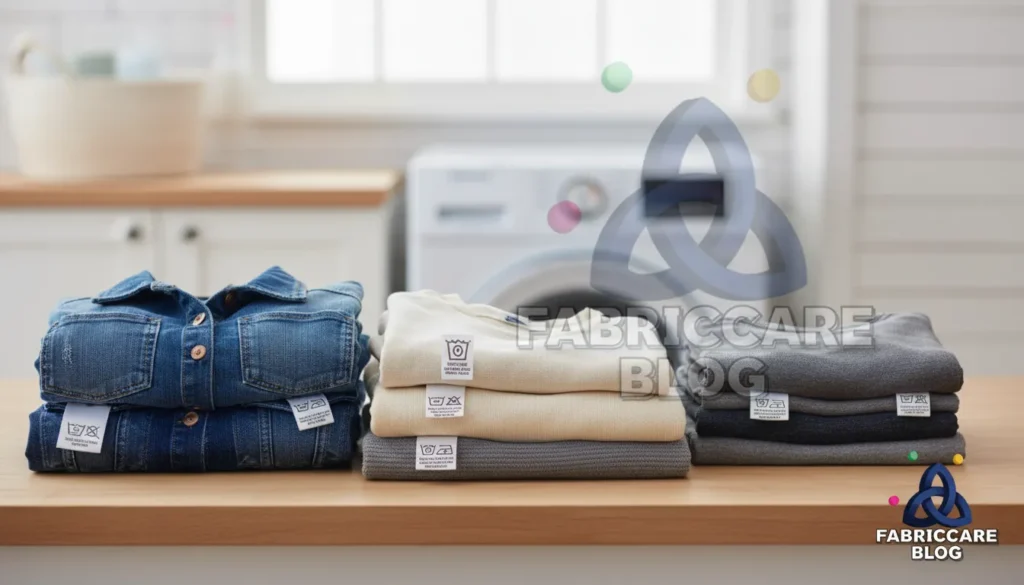
Ironing symbols are an important part of understanding How to Read Laundry Care Labels because they show how much heat a fabric can tolerate during pressing. Using an iron that is too hot can cause scorching, shine marks, or permanent fabric damage in just a few seconds.
The ironing symbol is represented by an iron icon. Dots inside the iron indicate maximum heat levels. One dot usually means low heat, suitable for delicate or synthetic fabrics. Two dots allow medium heat, commonly used for cotton blends. Three dots indicate high heat tolerance, typically for sturdy, natural fabrics like pure cotton or linen.
A crossed-out iron symbol clearly means do not iron. Fabrics with coatings, prints, or heat-sensitive fibers may melt, warp, or lose surface texture when exposed to heat. Ignoring this symbol often leads to irreversible damage that cannot be fixed.
Some labels include steam restrictions. An iron symbol with steam lines crossed out indicates that steam should not be used, even if dry ironing is allowed. Steam can affect certain fabrics differently than dry heat, especially those with finishes or adhesives.
Understanding ironing symbols also helps prevent unnecessary effort. Many fabrics labeled for low heat or no ironing respond well to gentle drying and prompt folding instead of pressing. This reduces wear and saves time while keeping garments looking neat.
By learning what ironing symbols mean, How to Read Laundry Care Labels becomes more complete and practical. Correct ironing decisions protect fabric surfaces, maintain appearance, and prevent avoidable heat damage over time.
9. How Laundry Care Labels Protect Fabric Longevity
Laundry care labels play a direct role in protecting fabric longevity, which is why learning How to Read Laundry Care Labels goes beyond short-term cleaning results. These labels are designed to help fabrics withstand repeated washing, drying, and ironing without breaking down prematurely.
Each instruction on a care label reflects how a fabric responds to heat, water, movement, and chemicals over time. When these limits are respected, fibers experience less stress during each care cycle. This reduces thinning, pilling, and loss of elasticity, which are common signs of early fabric wear.
Temperature guidance is especially important for longevity. Repeated exposure to higher heat than recommended accelerates fiber damage, even if clothes appear unaffected at first. Following label temperature limits helps maintain fiber strength and prevents gradual weakening that shortens garment lifespan.
Agitation and drying instructions also matter. Strong wash cycles and high-heat drying place extra strain on seams and fabric surfaces. Care labels help limit this stress by indicating when gentler cycles or air drying are safer. Over time, these small adjustments significantly slow fabric deterioration.
Labels also protect shape and fit. Fabrics that shrink or stretch easily are more likely to lose their original form when cared for incorrectly. Following label guidance helps garments keep their intended size, structure, and comfort through repeated use.
By using care labels as a long-term care guide rather than a one-time instruction, How to Read Laundry Care Labels becomes a tool for preservation. Consistent adherence to label guidance helps clothes last longer, look better, and remain comfortable throughout their usable life.

10. Common Mistakes When Reading Care Labels
Many fabric problems happen not because care labels are unclear, but because they are misunderstood or ignored. When learning How to Read Laundry Care Labels, recognizing common mistakes helps prevent damage that builds up slowly over time.
One frequent mistake is treating labels as suggestions rather than limits. Care labels usually indicate the maximum safe conditions for washing, drying, and ironing. Exceeding these limits—even occasionally—can weaken fibers, cause shrinking, or lead to color loss. Staying below the recommended limits is almost always safer than pushing them.
Another common issue is focusing on only one symbol. Some people check temperature but ignore agitation, drying, or ironing symbols. Fabric care is cumulative, and damage often comes from a combination of small missteps. For example, washing at the correct temperature but drying at excessive heat can still ruin a garment.
Assuming similar-looking fabrics have the same care needs is also a mistake. Two garments may feel alike but behave very differently due to fiber blends, finishes, or construction. Care labels reflect these differences, which is why relying on touch or appearance alone can be misleading.
Some people make the mistake of overcorrecting by using harsher settings than needed. Choosing stronger cycles or higher heat “just to be safe” often causes more harm than good. In most cases, gentler options clean effectively while protecting fabric integrity.
Finally, ignoring labels over time leads to gradual damage that is easy to overlook. Clothes may seem fine after a few washes, but repeated mistakes eventually result in thinning fabric, fading, or poor fit.
By avoiding these common errors, How to Read Laundry Care Labels becomes more reliable and effective. Paying attention to all label details helps maintain fabric quality and reduces preventable laundry mistakes.
11. When to Follow Labels Strictly and When to Adapt
Knowing when to follow care labels strictly and when to adapt them is an important part of mastering How to Read Laundry Care Labels. Labels provide safe boundaries, but real-life laundry situations sometimes require flexibility. The key is understanding which rules are absolute and which allow room for adjustment.
Care labels should be followed strictly when they involve clear restrictions. Symbols that forbid washing, drying, bleaching, or ironing exist because the fabric cannot tolerate those actions. Ignoring these warnings often leads to immediate and irreversible damage, such as melting fibers, severe shrinking, or surface distortion.
Temperature limits are another area where caution matters. Exceeding the maximum temperature shown on a label significantly increases the risk of fabric damage. When in doubt, choosing a lower temperature than recommended is generally safe, while going higher is not. This makes temperature guidance one of the most important rules to respect closely.
Adaptation becomes possible when labels allow a range of options. For example, a garment labeled for warm washing can usually be washed in cold water without harm. Choosing gentler cycles, lower heat, or air drying often improves fabric longevity while still achieving good cleaning results.
Mixed loads also require thoughtful adaptation. When garments with different care labels are washed together, selecting the most conservative settings protects all items in the load. This approach may not maximize cleaning strength for every piece, but it reduces overall risk and prevents damage.
Understanding when to follow labels strictly and when to adapt them builds confidence in laundry decisions. By respecting hard limits and making cautious adjustments where allowed, How to Read Laundry Care Labels becomes a practical skill that balances fabric safety with everyday convenience.

12. Building Confidence When Reading Laundry Care Labels
Building confidence is the final step in learning How to Read Laundry Care Labels effectively. At first, labels may feel overwhelming, but confidence grows as symbols and patterns become familiar through regular use.
One of the best ways to build confidence is repetition. Seeing the same symbols across different garments helps reinforce their meaning. Over time, recognizing washing, drying, and ironing symbols becomes automatic, reducing hesitation when choosing settings.
Another helpful strategy is starting conservatively. When unsure, selecting cooler temperatures, gentler cycles, and lower heat drying is usually safe. These choices stay within label limits and reduce the risk of damage, allowing you to learn without costly mistakes.
Confidence also comes from observing results. When clothes come out clean, undamaged, and comfortable after following label guidance, trust in the process increases. Noticing fewer issues like shrinking, fading, or stiffness reinforces the value of reading labels carefully.
Keeping care label decisions consistent builds familiarity. Applying the same logic—checking temperature, agitation, drying, and ironing guidance—creates a predictable routine. This consistency makes reading labels faster and less stressful over time.
By practicing these habits, How to Read Laundry Care Labels becomes a practical skill rather than a confusing task. With experience, label reading turns into a confident, reliable part of fabric care that helps clothes last longer and look better through repeated use.