

1. How to Wash Clothes Properly: What to Do Before You Start
How to Wash Clothes Properly begins long before the washing machine is turned on. The preparation stage is where most washing problems are either prevented or created. Taking a few minutes to set up the process correctly helps protect fabrics, improves cleaning results, and reduces the need to rewash clothes later.
The first step is understanding what you are about to wash. Clothes differ in fabric type, color stability, and construction. Mixing items without considering these factors often leads to fading, shrinking, or surface damage. Before washing, take a moment to group clothes by similar characteristics instead of treating everything as one uniform load.
Next, check pockets and fasten closures. Coins, tissues, and small objects can damage fabrics or the washing machine itself. Zippers, hooks, and buttons should be closed to prevent snagging, while garments with rough textures are best turned inside out. These simple actions reduce friction and help maintain fabric surfaces during washing.

Another important preparation step is evaluating soil level. Lightly worn clothes do not need aggressive washing, while heavily soiled items may require stronger cycles or pre-treatment. Recognizing the difference allows you to choose washing settings that clean effectively without placing unnecessary stress on fabrics.
Care labels also play a key role at this stage. While they do not need to be followed perfectly in every situation, they provide valuable guidance on temperature, washing method, and cycle intensity. Ignoring labels repeatedly increases the risk of long-term fabric damage, especially for blended or delicate materials.
Load size matters before washing even begins. Overloading the machine reduces water flow and detergent distribution, leading to poor cleaning and excess friction. A properly sized load allows clothes to move freely, which improves washing performance and protects fibers from unnecessary wear.
Finally, detergent preparation starts before the wash. Measuring the correct amount based on load size and soil level prevents residue buildup and supports effective rinsing. Using more detergent than needed does not improve results and may shorten fabric lifespan over time.
By focusing on these preparation steps, How to Wash Clothes Properly becomes a controlled and intentional process rather than a rushed routine. This foundation sets the stage for cleaner clothes, better fabric care, and more consistent washing results.

2. Checking Fabric Types and Care Labels Before Washing
Checking fabric types and care labels is a critical step in learning How to Wash Clothes Properly, yet it is often skipped in daily routines. Fabrics react differently to water, movement, and detergent, and labels exist to help reduce guesswork before washing begins.
Start by identifying the main fabric type of each garment. Natural fibers like cotton and linen usually tolerate regular washing, while synthetics and blends may respond better to gentler cycles. Delicate materials, such as wool or fine knits, often require extra care and lower agitation. Recognizing these differences helps you decide whether items can be washed together or should be separated.
Care labels provide practical guidance, not strict rules. They indicate recommended water temperatures, washing methods, and cycle intensity based on how the fabric was designed to perform. While real-life washing sometimes requires flexibility, consistently ignoring labels increases the risk of shrinking, fading, or surface damage over time.
Another important detail on labels is color stability. Some garments are more likely to release dye, especially when new. Washing these items with similar colors during early washes helps prevent unwanted color transfer and keeps clothes looking consistent longer.
Labels also warn about special treatments, such as finishes, coatings, or decorative elements. These details explain why certain items should not be exposed to high heat or strong agitation. Understanding these warnings allows you to adjust washing methods before problems occur.
Taking a brief moment to check fabric types and labels makes How to Wash Clothes Properly more predictable and less risky. This habit supports better cleaning results, protects garments from avoidable damage, and helps clothes maintain their original appearance over time.
3. How to Sort Clothes the Right Way
Sorting clothes correctly is one of the most effective habits for anyone learning How to Wash Clothes Properly. This step reduces fabric damage, prevents color transfer, and helps each load receive the level of care it actually needs.
The most common sorting factor is color. Washing whites, lights, and darks separately helps prevent dye transfer, especially when clothes are new. Dark fabrics are more likely to release excess dye during early washes, while lighter items easily absorb it. Keeping similar colors together preserves appearance and avoids dull or uneven tones.
Fabric weight and texture are just as important as color. Heavy items like towels, jeans, or hoodies create more friction during washing. When mixed with lightweight or delicate garments, the softer items often suffer from stretching, pilling, or thinning fibers. Grouping clothes by similar weight allows movement to remain balanced inside the machine.
Sorting by soil level improves both cleanliness and fabric care. Heavily soiled clothes usually need stronger cycles or longer wash times, while lightly worn garments can be washed more gently. Mixing both in the same load may result in under-cleaned items or unnecessary wear on clothes that were already fairly clean.
Another helpful practice is separating items with hardware or rough details. Zippers, buttons, hooks, and decorative elements can snag or scratch softer fabrics. Turning garments inside out and placing delicate items together reduces surface damage during washing.
When sorting becomes part of the routine, How to Wash Clothes Properly feels simpler and more controlled. A few extra minutes spent separating clothes leads to better results, fewer washing mistakes, and longer-lasting garments over time.
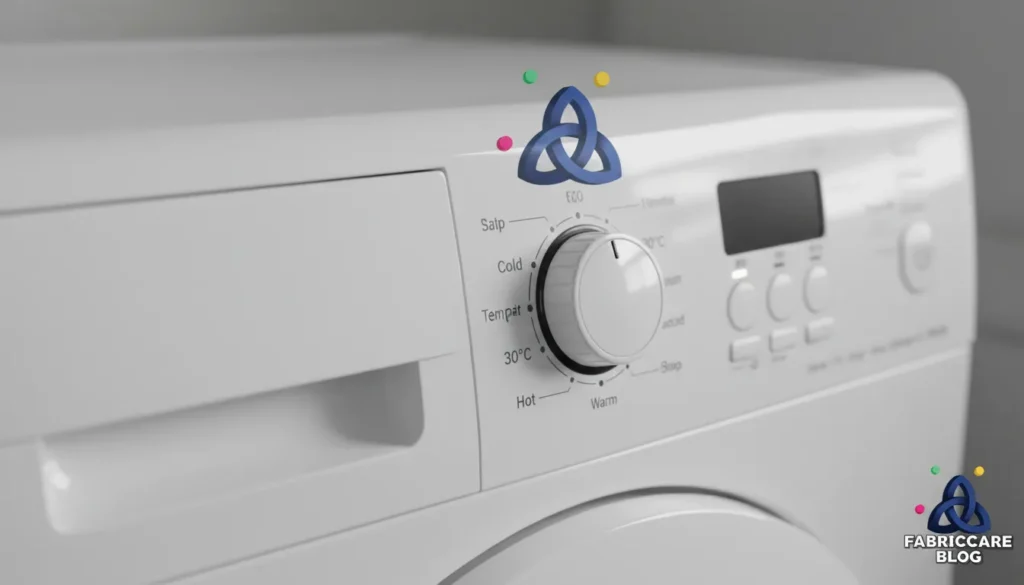
4. Choosing the Correct Water Temperature for Each Load
Choosing the right water temperature is a key decision in How to Wash Clothes Properly because temperature directly affects cleaning performance and fabric durability. Many washing problems, such as fading, shrinking, or rough textures, often come from using hotter water than necessary.
Cold water is suitable for most everyday loads. It helps preserve colors, reduces the risk of shrinking, and is gentler on fabric fibers. For lightly to moderately soiled clothes, cold water is often enough to clean effectively while minimizing wear. Many people find that regular cold washes help garments maintain their original look longer.
Warm water offers a balance between cleaning strength and fabric care. It can be helpful for moderately soiled items, especially when oils or body residue are present. However, repeated warm washes may cause gradual fading or weakening of certain fabrics, making it important to use this option selectively.
Hot water should be reserved for specific situations. Heavily soiled items, towels, or bedding may benefit from higher temperatures, but frequent hot washes can damage fibers and shorten garment lifespan. Delicate fabrics and blends are especially vulnerable to heat-related stress.
Fabric type plays an important role in temperature choice. Natural fibers like cotton often tolerate warmer water better than synthetics, while delicate materials usually perform best in cold water. Checking care labels before selecting temperature helps avoid unnecessary damage.
Matching water temperature to fabric type, soil level, and color stability supports How to Wash Clothes Properly by improving cleanliness without sacrificing fabric health. Thoughtful temperature choices lead to better results and longer-lasting clothes.
5. Selecting the Best Wash Cycle for Your Clothes
Selecting the correct wash cycle is an essential part of learning How to Wash Clothes Properly, yet many people rely on a single setting for every load. Wash cycles control agitation, wash time, and spin speed, all of which directly affect how clean clothes get and how much stress fabrics experience.
Normal or regular cycles are designed for everyday clothing made from durable fabrics. They provide moderate agitation and are effective for most cottons and blends worn during daily activities. While reliable, using this cycle for delicate or lightweight items can lead to unnecessary wear over time.
Gentle or delicate cycles reduce movement and spinning intensity. These cycles are better suited for soft fabrics, lightweight garments, and items that may stretch or lose shape. Although cleaning may take slightly longer, the reduced friction helps protect fibers and seams.
Heavy-duty cycles increase agitation and are intended for thick or heavily soiled items such as towels or work clothes. These cycles are effective when needed, but frequent use on regular garments can accelerate fabric breakdown and fading.
Some machines offer specialized cycles, such as quick wash or eco modes. Quick wash cycles work best for lightly worn clothes that only need refreshing, while eco cycles focus on efficiency by using lower temperatures and longer wash times. Understanding what each cycle is designed for helps prevent mismatches between fabric needs and washing intensity.
Choosing the best wash cycle based on fabric type, soil level, and garment structure supports How to Wash Clothes Properly by balancing cleanliness and fabric care. When cycles are selected intentionally, clothes stay cleaner and last longer without extra effort.

6. How Much Detergent to Use for Proper Washing
Using the right amount of detergent is a fundamental step in learning How to Wash Clothes Properly, yet it is one of the most misunderstood parts of the process. Many people assume that adding more detergent leads to cleaner clothes, but excessive detergent often creates the opposite result.
For small or lightly soiled loads, a reduced amount of detergent is usually enough. These loads do not need heavy cleaning power, and too much detergent may not rinse out completely. Leftover residue can make fabrics feel stiff, attract more dirt, and dull colors over time.
Medium loads with regular soil benefit from standard detergent amounts, as recommended on the product label. At this level, detergent dissolves properly and distributes evenly through the load, lifting dirt and oils without overwhelming the rinse cycle. Measuring detergent instead of estimating helps maintain this balance.
Large or heavily soiled loads may require slightly more detergent, but moderation is still essential. Increasing detergent beyond a reasonable amount does not improve cleaning and can trap odors inside fabrics. In some cases, it may even cause skin irritation or buildup in the washing machine.
Water conditions also influence detergent performance. In areas with hard water, detergent may be less effective, leading people to add more product unnecessarily. Adjusting detergent type or using water softening solutions often works better than increasing quantity.
Using the correct detergent amount supports How to Wash Clothes Properly by improving cleanliness, protecting fabrics, and preventing buildup. Over time, this habit leads to better-feeling clothes, more efficient washing, and fewer laundry problems overall.
7. Liquid, Powder, or Pods: Which Detergent Works Best
Choosing the right detergent type is an important part of understanding How to Wash Clothes Properly, because different formats behave differently during the wash. Liquid detergents, powder detergents, and pods can all clean effectively, but their performance depends on how and when they are used.
Liquid detergent is popular for its flexibility. It dissolves easily in water, making it suitable for cold washes and short cycles. Liquid detergent is also useful for pre-treating stains, as it can be applied directly to fabric. However, it is easy to overuse, which may lead to residue buildup if not measured carefully.
Powder detergent is known for its stability and effectiveness on everyday loads. It often performs well in regular or warm washes and can be a cost-effective option. However, powder may not dissolve completely in cold water or overloaded machines, sometimes leaving visible residue on dark fabrics. Using the correct amount and ensuring proper water flow helps prevent this issue.
Detergent pods offer convenience and consistent dosing. Because they contain pre-measured amounts, pods reduce the risk of using too much detergent. They work best in loads with enough space and water circulation to fully dissolve the casing. In very small or tightly packed loads, pods may not dissolve evenly.
The best detergent choice depends on wash temperature, load size, and machine type. High-efficiency machines, for example, are designed to use less water and perform best with accurately measured detergent. No single detergent type is ideal for every situation.
Matching detergent format to your washing needs supports How to Wash Clothes Properly by improving cleaning results while minimizing residue and fabric stress. Thoughtful detergent choices make washing more effective and help clothes maintain their quality over time.
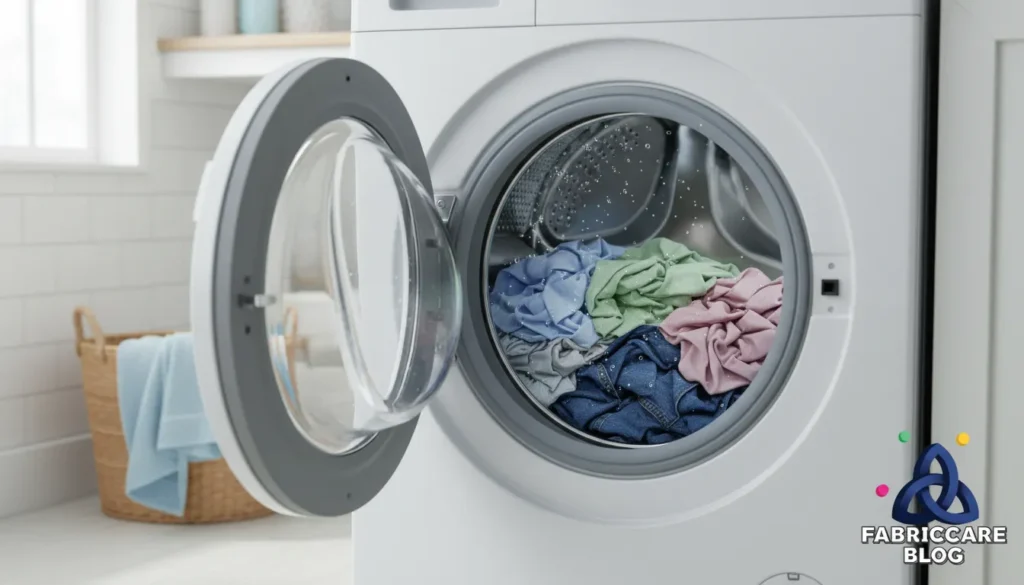
8. Hand Washing vs. Machine Washing: When to Use Each
Knowing when to hand wash and when to use the washing machine is a key part of mastering How to Wash Clothes Properly. Both methods are effective, but each serves a different purpose depending on fabric type, garment construction, and how much stress clothes can tolerate.
Machine washing is ideal for everyday garments made from durable fabrics. It saves time, handles larger loads efficiently, and provides consistent cleaning when the correct cycle is selected. For cottons, blends, and regularly worn items, machine washing is usually practical and reliable. However, even gentle machine cycles still involve mechanical movement that can stress delicate fibers over time.
Hand washing offers greater control and is often the safer choice for delicate fabrics, items with embellishments, or garments that may lose shape. By washing by hand, you can limit agitation, adjust pressure, and stop as soon as the item is clean. This reduces fiber strain and helps preserve texture, elasticity, and fit.
Another consideration is soil level. Lightly worn clothes may only need a gentle hand wash or brief soak, while heavily soiled items often benefit from the deeper action of a machine wash. Choosing the method based on how dirty the garment actually is helps avoid unnecessary wear.
There are also practical limits to each method. Hand washing is less suitable for bulky items or large quantities of clothing, while machine washing may not be appropriate for fragile materials. Many households find that combining both methods works best—using machines for regular loads and hand washing for special-care items.
Balancing hand washing and machine washing supports How to Wash Clothes Properly by matching each garment to the level of care it needs. Making intentional choices helps protect fabrics while keeping laundry routines efficient and manageable.
9. Why Load Size Matters When Washing Clothes
Load size plays a major role in How to Wash Clothes Properly, yet it is often overlooked in daily routines. Washing too many items at once may seem efficient, but it usually leads to poorer cleaning results and increased fabric wear over time.
When a washing machine is overloaded, clothes do not have enough space to move freely. Water and detergent cannot circulate evenly, which makes it harder to remove dirt and oils from fabric fibers. As a result, clothes may come out still smelling or looking dull, even though the wash cycle is complete.
Overloading also increases friction and pressure between garments. Heavy items press against lighter ones, causing stretching, pilling, and weakened fibers. Seams, prints, and delicate areas are especially vulnerable when clothes are packed too tightly during washing and spinning.
On the other hand, washing very small loads can also be inefficient. While it may reduce friction, it wastes water and energy and may prevent detergent from distributing as intended. Extremely small loads sometimes lead to uneven washing, especially in larger machines.
A properly sized load allows clothes to move, rub gently, and rinse thoroughly. A simple guideline is leaving enough space at the top of the drum for a hand to move comfortably. This balance helps detergent work effectively while protecting fabrics from unnecessary stress.
Managing load size supports How to Wash Clothes Properly by improving cleanliness, reducing fabric damage, and making each wash more efficient. Small adjustments to how much you load the machine can make a noticeable difference in both results and garment longevity.

10. Common Washing Mistakes to Avoid
Avoiding common mistakes is essential for anyone learning How to Wash Clothes Properly, because small, repeated errors often cause more damage than a single wrong wash. Many of these mistakes happen out of habit and can be corrected with simple adjustments.
One frequent mistake is using the same settings for every load. Different fabrics and soil levels require different water temperatures and wash cycles. Repeating one routine for all clothes may clean them, but it often accelerates fading, stretching, and fiber breakdown over time.
Another issue is overusing detergent. Adding extra detergent does not improve cleaning and often leaves residue behind. This buildup can trap odors, make fabrics feel stiff, and reduce breathability. Measuring detergent carefully helps clothes rinse properly and stay comfortable.
Ignoring care labels is also common. While labels are not absolute rules, consistently washing garments outside their recommended limits increases the risk of damage. Labels provide helpful guidance on heat tolerance, agitation, and drying methods that protect fabric structure.
Washing clothes too frequently is another mistake that shortens garment lifespan. Not every item needs to be washed after one wear, especially lightly worn or layered clothing. Reducing unnecessary washes helps preserve color, texture, and shape.
Finally, mixing incompatible items—such as heavy fabrics with delicate ones or dark colors with light fabrics—creates excess friction and color transfer. Simple sorting habits prevent many of these issues before they start.
By recognizing and avoiding these common mistakes, How to Wash Clothes Properly becomes more effective and less damaging. Thoughtful washing habits protect fabrics, improve results, and help clothes last longer with minimal extra effort.
11. How to Rinse and Dry Clothes Correctly
Rinsing and drying are final but critical steps in learning How to Wash Clothes Properly. Even when washing is done correctly, poor rinsing or aggressive drying can undo much of the care taken earlier in the process.
Proper rinsing ensures that detergent and loosened dirt are fully removed from fabrics. Incomplete rinsing often leaves residue behind, which can make clothes feel stiff, irritate skin, and attract more dirt over time. Using the correct detergent amount and avoiding overloading the machine both improve rinsing efficiency. In some cases, an extra rinse may help, especially for heavier fabrics or sensitive skin.
Drying methods also have a strong impact on fabric condition. Air drying is the gentlest option and works well for many garments. Hanging or laying clothes flat reduces heat exposure and helps preserve fiber strength, color, and shape. This method is especially helpful for delicate fabrics and items prone to shrinking.
Machine drying is convenient, but heat and tumbling add stress to fabrics. Using lower heat settings and removing clothes while slightly damp can reduce damage. Over-drying often causes stiffness, fading, and weakened fibers, even when washing has been done carefully.
Another helpful habit is sorting clothes before drying, just as you do before washing. Heavier items take longer to dry and can over-dry lighter fabrics when mixed together. Drying similar items together helps achieve more even results.
Handling rinsing and drying with the same care as washing supports How to Wash Clothes Properly from start to finish. When these steps are managed thoughtfully, clothes feel better, last longer, and maintain their appearance wash after wash.
12. Building a Simple Routine to Wash Clothes Properly Every Time
Creating a simple routine is one of the most effective ways to ensure How to Wash Clothes Properly becomes consistent rather than occasional. A clear routine reduces decision fatigue, prevents mistakes, and helps laundry fit naturally into everyday life.
The first step is standardizing basic actions. Sorting by color and fabric type, checking care labels, and choosing the correct cycle should follow the same order every time. When these steps become automatic, washing feels faster and more controlled, even on busy days.
Another important element is planning load frequency. Instead of waiting until laundry piles up, washing smaller, regular loads makes it easier to match clothes with the right settings. This approach reduces overloading, improves rinsing, and places less stress on fabrics over time.
Keeping detergent use consistent is also part of a reliable routine. Measuring detergent according to load size prevents residue buildup and improves fabric feel. Storing detergent near the washing machine and using a dedicated measuring tool helps maintain this habit.
Drying practices should be included in the routine as well. Choosing air drying for delicate items and lower heat settings for machine drying protects clothes after washing. Removing clothes promptly once drying is complete also helps reduce wrinkles and fabric stress.
A simple, repeatable routine supports How to Wash Clothes Properly by turning good practices into habits. When laundry follows a predictable pattern, clothes stay in better condition, mistakes become less frequent, and the entire process feels easier to manage over time.