
1. Why Small Fabric Care Mistakes Cause Big Damage
Many people underestimate how fabric care mistakes that ruin materials begin. Most damage does not come from dramatic accidents, but from small, repeated habits that seem harmless in daily routines. These minor errors accumulate slowly, weakening fibers, altering texture, and shortening the usable life of fabrics long before visible damage appears.
One reason small mistakes have such a large impact is the cumulative nature of fabric stress. Every wash cycle, temperature change, and handling decision places a certain level of strain on fibers. Individually, these actions may appear insignificant, but together they create ongoing pressure that fabrics are not designed to endure indefinitely. Over time, this repeated stress compromises fiber structure, leading to thinning, stretching, and eventual breakdown. This is how fabric care mistakes that ruin materials quietly develop in everyday households.
Another factor is delayed visibility. Fabric damage often starts at a microscopic level, affecting fiber bonds and surface finishes before becoming noticeable. During this phase, fabrics may still look intact, encouraging the continuation of harmful habits. By the time changes in texture, color, or shape become obvious, the internal damage is already advanced and difficult to reverse.
Misalignment between fabric type and care routine also plays a role. Many fabrics require specific conditions to maintain stability, such as controlled temperature, limited moisture exposure, or reduced friction. When these needs are ignored, even unintentionally, fibers react negatively. Washing fabrics too frequently, using unsuitable detergents, or applying excessive heat all contribute to gradual deterioration. These actions are classic examples of fabric care mistakes that ruin materials without immediate warning.
Human behavior further amplifies the problem. Convenience often overrides caution, leading people to choose faster or easier methods that compromise fabric health. High-speed wash cycles, aggressive stain removal, and improper drying methods save time in the short term but accelerate long-term damage. Because the negative effects are not instant, these shortcuts become habitual.
Understanding that fabric damage is usually the result of repeated small mistakes shifts the approach from reactive to preventive care. When attention is paid to everyday habits—how fabrics are washed, dried, handled, and stored—the risk of long-term damage decreases significantly. Recognizing the impact of minor actions is the first step toward avoiding fabric care mistakes that ruin materials and preserving fabric quality over time.

2. Washing Fabrics Too Often Without Need
One of the most common fabric care mistakes that ruin materials is washing fabrics more often than necessary. While cleanliness is important, excessive washing places continuous stress on fibers that are not designed to endure constant exposure to water, detergents, and mechanical movement. Over time, this unnecessary frequency weakens fabrics and shortens their lifespan significantly.
Each wash cycle causes fibers to absorb water, swell, and then contract as they dry. This repeated expansion and contraction gradually breaks down fiber bonds, especially in natural and delicate materials. Even when gentle cycles are used, the cumulative effect of frequent washing leads to thinning, loss of elasticity, and surface wear. This damage often develops quietly, making overwashing a subtle but destructive habit.
Detergent exposure further amplifies the problem. Every wash introduces chemicals that interact with fibers. Even mild detergents contribute to gradual degradation when fabrics are washed too often. Residues may remain trapped within fibers, stiffening the material and attracting dirt more easily. This creates a cycle where fabrics appear dirty faster, encouraging even more frequent washing and accelerating damage.
Overwashing also affects color and texture. Pigments fade more quickly with repeated exposure to water and detergent, causing fabrics to lose vibrancy. Textures that were once soft or smooth may become rough or uneven, especially in fabrics with fine finishes. These visible changes are classic signs of fabric care mistakes that ruin materials over time.
Reducing wash frequency does not mean compromising hygiene. Many fabrics benefit from airing out between uses, spot cleaning small areas, or brushing off surface debris. These alternatives minimize fiber stress while maintaining cleanliness. Washing only when truly necessary is one of the most effective ways to preserve fabric integrity.
By recognizing overwashing as a damaging habit, care routines can be adjusted to balance cleanliness and longevity. Avoiding unnecessary wash cycles is a practical step toward eliminating fabric care mistakes that ruin materials and extending the usable life of household fabrics.
3. Using the Wrong Water Temperature
Using the wrong water temperature is one of the most underestimated fabric care mistakes that ruin materials. Many people choose water temperature based on habit or convenience, without considering how sensitive fibers react to heat or cold. Over time, incorrect temperature choices cause structural damage that cannot be reversed.
Hot water is especially harmful to many fabrics. Heat weakens fiber bonds, increases shrinkage risk, and accelerates color fading. Natural fibers such as cotton, wool, and linen are particularly vulnerable, as high temperatures cause them to contract unevenly. This leads to distortion, stiffness, and loss of softness. Even synthetic fabrics, which are often considered more durable, can suffer heat damage that affects elasticity and surface finish.
Cold water misuse can also be problematic. While cold water is generally safer, it is not always effective at removing certain residues. When detergents are not fully dissolved or rinsed away, they remain trapped in fibers. These residues stiffen fabrics and attract dirt, causing materials to appear worn faster. This cycle contributes quietly to fabric care mistakes that ruin materials over time.
Temperature mistakes also affect color stability. Excessive heat breaks down dye bonds, leading to fading and uneven coloration. Fabrics exposed repeatedly to high temperatures lose vibrancy much faster than those washed at appropriate temperatures. Once color damage occurs, it cannot be restored through cleaning or treatment.
Choosing the correct water temperature requires matching fabric type with care needs. Most everyday fabrics benefit from cool or lukewarm water, while only heavily soiled, durable materials tolerate hotter settings. Reading care labels and adjusting habits accordingly prevents unnecessary fiber stress.
By paying attention to water temperature, households can significantly reduce fabric care mistakes that ruin materials. This small adjustment preserves texture, color, and structural integrity across a wide range of fabrics.
4. Mixing Heavy and Delicate Fabrics
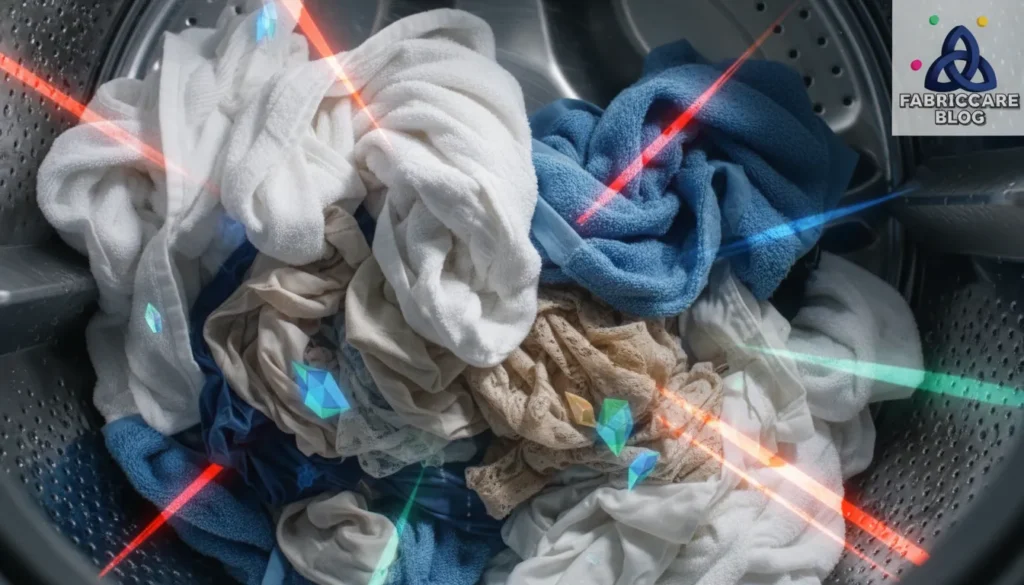
Mixing heavy and delicate fabrics in the same wash load is one of the most common fabric care mistakes that ruin materials. This habit often happens for convenience, but it creates an imbalance inside the washing machine that exposes fragile fabrics to unnecessary stress, friction, and damage.
Heavy fabrics such as denim, towels, and thick cotton absorb more water and become significantly heavier during washing. As the drum rotates, these items move with greater force, pressing and rubbing against lighter fabrics. Delicate materials are not designed to withstand this kind of mechanical impact. The result is increased abrasion, fiber breakage, and surface wear that accumulates over time.
Friction is a major issue in mixed loads. Heavy garments often have seams, buttons, zippers, and rough textures that scrape against delicate fabrics. Each contact point creates micro-damage that weakens fibers and roughens the surface. While a single wash may not cause visible harm, repeated mixed loads accelerate deterioration. This is a classic example of fabric care mistakes that ruin materials through repeated exposure rather than a single error.
Weight imbalance also affects wash dynamics. When heavy and light fabrics are combined, delicate items are pulled and twisted more aggressively as the machine compensates for uneven distribution. This increases the risk of stretching, distortion, and seam stress. Even gentle cycles cannot fully offset the damage caused by incompatible fabric weights.
Color transfer is another risk. Heavy, darker fabrics are more likely to release excess dye, especially in warm water. Delicate, lighter-colored materials absorb these dyes quickly, leading to discoloration that is often permanent. This type of damage is particularly frustrating because it happens silently and cannot be corrected.
Separating fabrics by weight and type is a simple but effective solution. Washing heavy items together and delicate fabrics separately reduces friction, limits stress, and preserves fabric integrity. By avoiding mixed loads, households eliminate one of the most preventable fabric care mistakes that ruin materials.
5. Overusing Detergents and Fabric Treatments
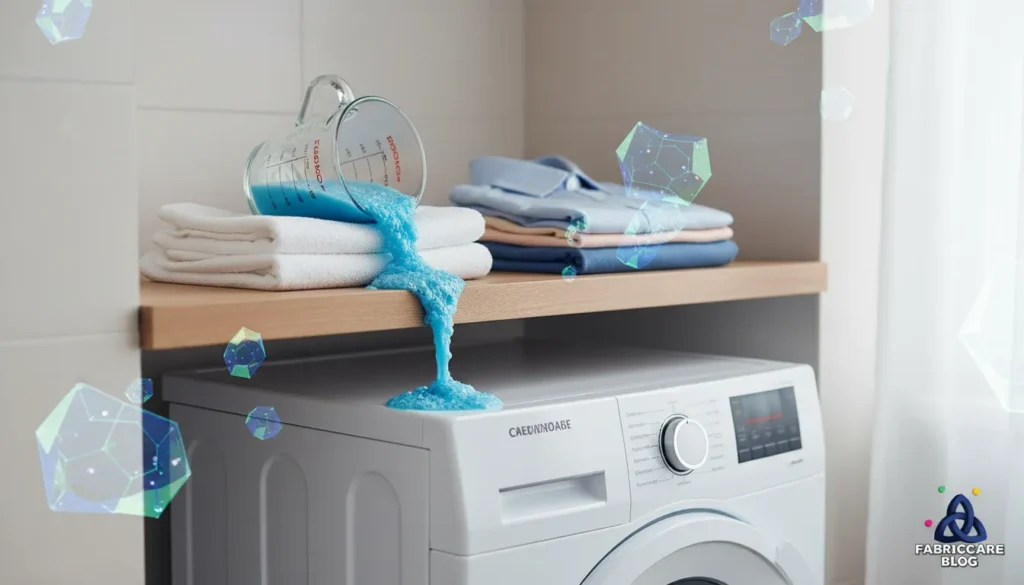
Overusing detergents and fabric treatments is one of the most frequent fabric care mistakes that ruin materials, largely because it feels counterintuitive. Many people believe that more detergent means cleaner fabrics, but excess products often cause more harm than benefit, especially over time.
When too much detergent is used, fabrics struggle to rinse completely. Residues remain trapped between fibers, particularly in thicker or tightly woven materials. These residues stiffen the fabric, reduce breathability, and attract dirt more easily. As a result, fabrics may appear dull or dirty faster, encouraging even more frequent washing and compounding damage.
Fabric treatments such as softeners, scent boosters, and stain protectors present similar risks. While they may improve feel or fragrance temporarily, they often coat fibers with chemical films. These coatings interfere with moisture absorption and release, altering the fabric’s natural behavior. Over time, treated fabrics lose softness and become prone to buildup-related wear. This cycle is a clear example of fabric care mistakes that ruin materials through gradual chemical stress.
Excessive detergent use also affects color stability. Residue buildup interacts with dyes, leading to fading or uneven coloration. Delicate finishes suffer most, as repeated chemical exposure strips protective layers and weakens fiber bonds. Once this damage occurs, it cannot be reversed.
Using the correct detergent amount is usually far less than people expect. Modern detergents are concentrated and designed to work effectively in small doses. Measuring carefully and avoiding unnecessary additives significantly reduces fabric stress. Choosing treatments only when truly needed, and sparingly, helps maintain fabric integrity.
By understanding that more product does not equal better care, households can eliminate one of the most damaging fabric care mistakes that ruin materials. Controlled, minimal use of detergents and treatments preserves texture, color, and fabric lifespan.
6. Ignoring Fabric Labels and Care Symbols
Ignoring fabric labels and care symbols is one of the most avoidable fabric care mistakes that ruin materials, yet it happens daily in many households. Care labels exist to communicate how a fabric reacts to water, heat, agitation, and chemicals. When these instructions are overlooked, fabrics are exposed to conditions they were never designed to handle.
Fabric labels are based on fiber composition, weave, and finishing treatments. These factors determine how a material behaves during washing, drying, and ironing. When a label recommends cold water or gentle cycles, it reflects the fabric’s tolerance limits. Disregarding these guidelines exposes fibers to stress that leads to shrinkage, distortion, and surface damage. Over time, repeated neglect of care instructions accelerates fabric breakdown.
Care symbols also help prevent mismatched cleaning methods. A symbol indicating no tumble drying, for example, warns that heat or mechanical drying will damage the fabric. Ignoring this symbol often results in stiffness, loss of shape, or fiber brittleness. Similarly, symbols advising against bleach or certain chemicals protect fabrics from discoloration and weakened fibers. These warnings are critical in avoiding fabric care mistakes that ruin materials before damage occurs.
Another issue is assumption-based care. Many people rely on past experience with similar-looking fabrics instead of checking labels. However, two fabrics that appear identical can have very different care requirements due to fiber blends or finishing processes. Treating all fabrics the same leads to inconsistent results and unexpected damage.
Understanding care symbols does not require expert knowledge. Most labels use standardized icons that quickly communicate safe practices. Taking a moment to review these symbols before washing or drying prevents unnecessary errors and extends fabric lifespan.
By respecting fabric labels and care symbols, households eliminate one of the most preventable fabric care mistakes that ruin materials. Following these simple instructions aligns care routines with fabric needs, preserving texture, color, and structural integrity over time.
7. Drying Fabrics Incorrectly
Drying is one of the stages where fabric care mistakes that ruin materials most often occur, largely because it feels like a passive step after washing is finished. In reality, drying choices directly affect fiber strength, shape retention, and surface texture. Incorrect drying habits cause damage that is frequently permanent.
High heat is the most common issue. Many fabrics cannot tolerate elevated temperatures, especially delicate and blended materials. Heat forces fibers to contract rapidly, leading to shrinkage, stiffness, and loss of elasticity. Even short drying cycles at high temperatures weaken fibers over time, making fabrics more prone to tearing and thinning. This type of damage is cumulative and often goes unnoticed until the fabric has already lost its original quality.
Mechanical stress during drying is another problem. Tumble dryers create constant movement, bending, and friction. Fabrics collide with the drum and other garments, accelerating surface wear. Lightweight or loosely woven fabrics suffer the most, as their fibers lack the resilience to withstand repeated impact. This mechanical stress is a significant contributor to fabric care mistakes that ruin materials in everyday laundry routines.
Air drying can also cause damage when done incorrectly. Hanging heavy or wet fabrics allows gravity to stretch fibers, leading to permanent shape distortion. Knit fabrics and soft materials are especially vulnerable to this type of stress. Laying fabrics flat to dry distributes weight evenly and helps preserve original shape.
Overdrying is another overlooked issue. Leaving fabrics in the dryer too long removes excessive moisture, making fibers brittle and rough. Removing items while slightly damp and allowing them to finish drying naturally reduces stress and preserves softness.
By choosing appropriate drying methods, controlling heat, and minimizing mechanical movement, households can avoid some of the most damaging fabric care mistakes that ruin materials. Thoughtful drying habits play a crucial role in extending fabric lifespan.

8. Storing Fabrics While Damp
Storing fabrics while they are still damp is one of the most damaging fabric care mistakes that ruin materials, yet it often happens unintentionally. After washing or drying, fabrics may feel dry on the surface but still retain moisture deep within the fibers. When these materials are folded, stacked, or stored too soon, trapped moisture creates conditions that accelerate deterioration.
Moisture weakens fiber structure over time. When fibers remain damp, they lose tensile strength and become more vulnerable to stretching and breakage. This is especially problematic for natural fibers, which absorb water easily and release it slowly. Prolonged dampness leads to stiffness, loss of softness, and gradual fabric fatigue that cannot be reversed.
Another serious consequence of storing damp fabrics is odor development. Moist environments encourage bacterial and microbial growth, which produces persistent smells that are difficult to eliminate. These odors are not merely cosmetic; they indicate underlying fiber degradation and contamination. This makes damp storage a silent but severe example of fabric care mistakes that ruin materials.
Mildew formation is also a risk. Even slight residual moisture can trigger mildew growth when fabrics are stored in enclosed spaces such as drawers or closets. Mildew weakens fibers, causes discoloration, and leaves stains that are often permanent. Once mildew damage occurs, fabrics may be structurally compromised even if stains are treated.
Humidity within storage spaces further amplifies the problem. Closets with poor ventilation or high ambient humidity slow moisture evaporation and worsen damp conditions. This environment accelerates fabric degradation and reduces lifespan significantly.
Allowing fabrics to dry completely before storage is essential. Ensuring adequate airflow, checking thicker areas for retained moisture, and avoiding tightly packed storage prevents hidden damage. By eliminating damp storage habits, households remove one of the most destructive fabric care mistakes that ruin materials and protect fabrics from long-term harm.
9. Stretching and Pulling Fabrics When Wet
Stretching and pulling fabrics while they are wet is one of the most underestimated fabric care mistakes that ruin materials. Many people do this unintentionally while removing clothes from the washing machine, wringing excess water, or hanging garments to dry. Because the damage is not always immediate, the habit often continues unnoticed.
When fabrics are wet, their fibers are significantly weaker and more elastic than when dry. Water reduces the internal strength of fiber bonds, making materials far more vulnerable to deformation. Pulling, tugging, or twisting wet fabrics places uneven stress on fibers, causing them to elongate beyond their recovery point. Once stretched, most fabrics cannot fully return to their original shape, leading to permanent distortion.
This issue is especially severe for knit fabrics, loosely woven materials, and natural fibers. These fabrics rely on structural balance to maintain fit and appearance. When they are pulled while wet, that balance is disrupted. Sleeves may lengthen, hems may sag, and garments may lose symmetry. These changes are classic outcomes of fabric care mistakes that ruin materials through improper handling rather than washing itself.
Hanging wet fabrics incorrectly also contributes to stretching damage. Gravity pulls moisture-heavy fibers downward, increasing tension at specific points such as shoulders, waistbands, and seams. Over time, repeated hanging while wet leads to visible elongation and misshaping, even if washing practices are otherwise correct.
Proper handling of wet fabrics requires minimal force. Supporting garments fully when lifting them, avoiding wringing, and gently pressing out water with towels significantly reduces fiber stress. Laying fabrics flat to dry distributes weight evenly and preserves original shape.
By understanding how vulnerable fabrics are when wet, households can eliminate a major source of long-term damage. Avoiding stretching and pulling during this stage prevents common fabric care mistakes that ruin materials and helps fabrics retain their intended fit and structure.
10. Sunlight Exposure and Color Damage
Sunlight exposure is one of the most underestimated fabric care mistakes that ruin materials, especially when it comes to color preservation. Many people associate sunlight damage only with outdoor fabrics, but indoor textiles are also vulnerable to prolonged exposure. Over time, even indirect sunlight causes irreversible changes to fabric color and fiber strength.
Ultraviolet rays break down dye molecules at a chemical level. As these bonds weaken, colors fade unevenly, resulting in dullness or patchy discoloration. This process is gradual, which is why sunlight-related damage often goes unnoticed until fabrics look visibly aged. Light-colored fabrics may yellow, while darker colors lose depth and vibrancy. Once this damage occurs, it cannot be reversed through washing or treatment.
Sunlight also weakens fibers, making them more brittle and prone to tearing. Combined with heat from sun exposure, fibers dry out faster and lose elasticity. This structural weakening accelerates wear, especially in fabrics that are already stressed by frequent use or washing. These effects make sunlight exposure a quiet but powerful example of fabric care mistakes that ruin materials.
Placement plays a major role in sunlight damage. Fabrics near windows, skylights, or glass doors receive constant light exposure, even when blinds are partially closed. Rotating items, using curtains, or rearranging furniture helps distribute exposure more evenly and reduces concentrated damage in one area.
Artificial lighting contributes as well, though to a lesser extent. Prolonged exposure to strong indoor lighting can also fade sensitive fabrics over time, particularly those with natural dyes.
Protecting fabrics from excessive light involves simple preventive measures. Using UV-filtering window treatments, limiting direct exposure, and storing fabrics in shaded areas preserve both color and fiber integrity. By managing light exposure, households can avoid one of the most common fabric care mistakes that ruin materials and extend fabric lifespan.
11. Early Signs That Fabrics Are Being Ruined
Recognizing early signs of damage is essential to stopping fabric care mistakes that ruin materials before they become irreversible. Most fabrics do not fail suddenly; instead, they show subtle warnings that are easy to ignore during daily use. Learning to identify these signals allows corrective action while fabrics can still be preserved.
One of the earliest signs is a change in texture. Fabrics that once felt soft or smooth may start to feel rough, stiff, or uneven. This often indicates fiber fatigue caused by repeated washing, detergent residue, or friction. Because the fabric may still look visually acceptable, this tactile change is frequently dismissed, allowing damage to progress unnoticed.
Color changes are another important indicator. Slight fading, dullness, or uneven coloration suggest that dyes are breaking down due to heat, sunlight, or chemical exposure. These changes typically appear first in high-use or high-exposure areas. Ignoring early discoloration is a common fabric care mistake that ruin materials, as color damage usually worsens with continued exposure.
Loss of shape is also a warning sign. Fabrics may begin to stretch, sag, or wrinkle in unusual ways. Garments might no longer fit properly, and household textiles may lose their original structure. This often results from improper handling when wet, incorrect drying methods, or prolonged pressure during storage.
Odors can signal deeper issues as well. Persistent smells indicate trapped moisture, residue buildup, or microbial activity within fibers. Even if the fabric looks clean, odor suggests internal damage that will continue unless addressed.
By responding to these early signs—adjusting washing frequency, reducing heat, improving drying and storage habits—households can interrupt harmful patterns. Awareness of these indicators is critical to preventing ongoing fabric care mistakes that ruin materials and extending the life of everyday fabrics.
12. How to Avoid Fabric Care Mistakes at Home
Avoiding fabric care mistakes that ruin materials at home does not require complicated routines or specialized equipment. Most damage can be prevented by adopting a few consistent habits that align daily care with how fabrics actually behave. The goal is not perfection, but awareness and moderation in every step of fabric handling.
The first preventive habit is slowing down decision-making. Taking a moment to separate fabrics by weight, color, and care needs prevents many common errors. Reading care labels before washing or drying ensures that temperature, cycle type, and drying methods match fabric tolerance. This small pause eliminates a large percentage of avoidable damage.
Reducing unnecessary stress on fabrics is equally important. Washing only when needed, choosing gentle cycles, and avoiding overcrowded loads minimize friction and mechanical strain. Using the correct amount of mild detergent prevents residue buildup and chemical stress. These adjustments protect fibers from gradual degradation that often goes unnoticed.
Drying and storage practices complete the prevention strategy. Selecting low-heat or air-drying methods, removing fabrics promptly, and allowing full drying before storage prevent heat damage, stretching, and moisture-related issues. Storing fabrics in breathable, dry environments protects them from odor, mildew, and fiber weakening.
Environmental awareness also plays a role. Limiting sunlight exposure, managing indoor humidity, and rotating frequently used items distribute wear more evenly. These actions reduce localized damage and help fabrics age consistently rather than deteriorating unevenly.
Finally, early intervention matters. Responding to small changes in texture, color, or odor prevents long-term damage from escalating. Adjusting habits at the first sign of stress breaks the cycle of repeated fabric care mistakes that ruin materials.
By integrating these practical habits into daily routines, households can significantly extend fabric lifespan. Thoughtful, informed care transforms fabric maintenance from a reactive chore into a preventive system that preserves quality, appearance, and functionality over time.