1. Why Upholstery Fabrics Require Different Care
Understanding why upholstery fabrics require different care begins with recognizing how upholstery fabric care for sofas and chairs differs fundamentally from clothing care. While garments are designed to be washed frequently and flex with body movement, upholstery fabrics are engineered for constant contact, pressure, and friction over long periods. Treating them like regular clothing fabrics leads to premature wear, discoloration, and structural damage.
One of the main differences lies in fabric construction. Upholstery fabrics are typically thicker, denser, and more tightly woven than apparel textiles. This construction helps them withstand sitting pressure, repeated movement, and daily use, but it also means they react differently to moisture, cleaning products, and mechanical stress. When excess water penetrates deep into upholstery fibers, it takes much longer to evaporate, increasing the risk of odor, mildew, and fiber weakening. This is why improper cleaning methods are among the most common mistakes in upholstery fabric care for sofas and chairs.
Another critical factor is how upholstery fabrics are integrated into furniture. Unlike clothing, upholstery is stretched, stapled, and secured over frames and cushioning. This fixed positioning limits the fabric’s ability to move freely and recover its shape after stress. Aggressive scrubbing, soaking, or pulling during cleaning places uneven tension on the fabric, leading to distortion, looseness, or tearing over time. Even small, repeated stresses accumulate because the fabric cannot relax the way clothing can.
Daily wear patterns also differ significantly. Upholstery fabrics experience localized stress in specific areas, such as seat cushions, armrests, and back supports. These zones endure constant friction, body weight, and heat transfer. As a result, wear develops unevenly, and damage may appear in high-contact areas long before the rest of the fabric shows signs of aging. Effective upholstery fabric care for sofas and chairs must account for these usage patterns rather than applying uniform cleaning routines.
Environmental exposure further sets upholstery apart. Furniture fabrics are continuously exposed to sunlight, indoor humidity, dust, and airborne pollutants. Over time, UV rays weaken fibers and fade colors, while dust particles settle into the weave and act as abrasives during use. Regular clothing is typically stored away from these factors when not worn, but upholstery remains exposed year-round.
Finally, maintenance frequency plays a role. Upholstery fabrics are not meant to be deep-cleaned as often as clothing. Overcleaning introduces unnecessary moisture and chemical exposure, accelerating deterioration. Instead, preventive care, gentle surface cleaning, and controlled maintenance schedules are essential.
By understanding these structural, functional, and environmental differences, it becomes clear why upholstery fabric care for sofas and chairs requires a distinct approach. Treating upholstery with methods designed for clothing inevitably shortens its lifespan, while tailored care preserves both appearance and comfort over time.
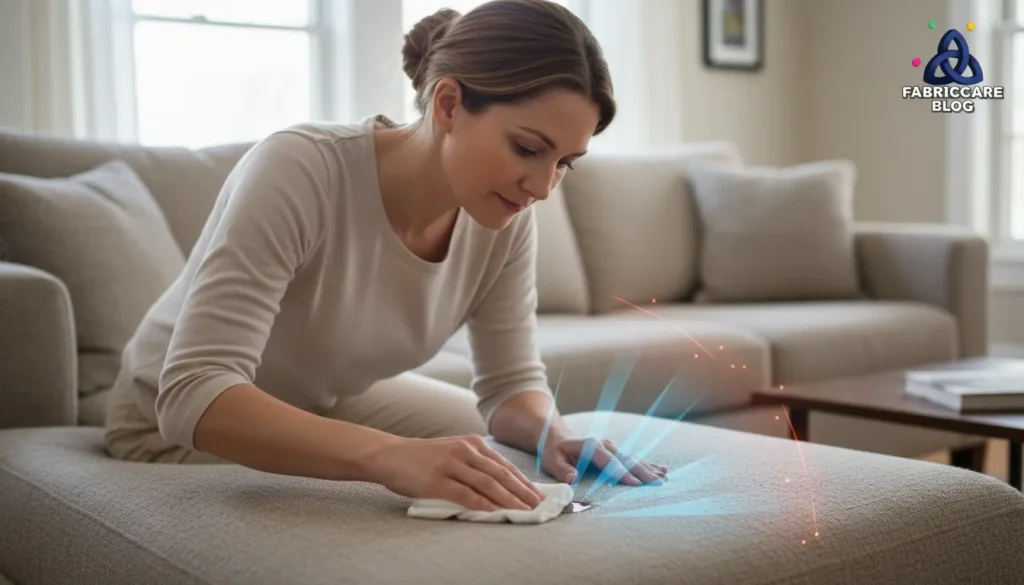
2. Common Upholstery Fabrics Used in Sofas and Chairs
Understanding the most common upholstery fabrics used in sofas and chairs is essential for proper maintenance, because each material reacts differently to pressure, moisture, and cleaning methods. Many upholstery fabric care for sofas and chairs problems arise when people assume all upholstery fabrics behave the same. In reality, material composition directly affects durability, appearance, and care requirements.
One of the most widely used upholstery fabrics is polyester. It is popular due to its resistance to wrinkles, fading, and general wear. Polyester blends are especially common in family homes because they tolerate daily use reasonably well. However, polyester upholstery can trap odors and oils if not cleaned correctly, making gentle but regular surface maintenance important.
Cotton is another frequent choice, valued for its softness and breathability. Cotton upholstery provides comfort but is more vulnerable to staining, moisture absorption, and fading. Because cotton fibers absorb liquid quickly, spills must be addressed immediately to prevent deep penetration. Improper moisture control is a frequent mistake in upholstery fabric care for sofas and chairs involving cotton materials.
Linen upholstery is appreciated for its natural look and texture but requires extra caution. Linen fibers are prone to wrinkling, stretching, and abrasion. Excessive friction or aggressive cleaning causes visible wear quickly, making linen better suited for low-traffic areas rather than heavily used seating.
Microfiber has become increasingly popular due to its tight weave and stain-resistant properties. It resists spills better than many natural fabrics and is relatively easy to maintain. However, microfiber attracts oils and dust, which can dull its appearance if not cleaned properly. Gentle brushing and correct cleaning solutions are key to maintaining microfiber upholstery.
Velvet and chenille add softness and luxury but are among the most delicate upholstery fabrics. Their raised fibers flatten easily under pressure, leading to uneven texture. Improper cleaning methods cause permanent marks and shading differences.
Recognizing these common upholstery fabrics helps guide appropriate upholstery fabric care for sofas and chairs, ensuring cleaning and maintenance methods align with material characteristics.
3. The Biggest Upholstery Fabric Care Mistakes at Home
Many problems with upholstery longevity are caused not by accidents, but by everyday habits that seem harmless. The biggest upholstery fabric care for sofas and chairs mistakes usually come from applying clothing-care logic to furniture fabrics, without considering how upholstery is used and constructed. Over time, these habits lead to fading, odors, fabric distortion, and premature wear.
One of the most common mistakes is using too much water during cleaning. Upholstery fabrics are often tightly attached to padding and frames, which means moisture does not evaporate easily. Excess water penetrates deep into the fabric and cushion layers, creating ideal conditions for odor buildup and fiber weakening. This mistake is especially damaging when cleaning spills repeatedly without allowing proper drying time.
Another frequent error is aggressive scrubbing. When stains appear, many people instinctively scrub harder, believing pressure will remove the problem faster. In reality, scrubbing damages the surface fibers, causes pilling, and spreads stains deeper into the fabric. This is a classic example of upholstery fabric care for sofas and chairs mistakes that worsen the original issue instead of solving it.
Using the wrong cleaning products is also a major problem. Household cleaners, bleach-based sprays, and multi-purpose solutions are often too harsh for upholstery fibers. These products strip protective finishes, fade colors, and weaken fabric structure. Even products labeled as “safe” can cause damage if not designed specifically for upholstery use.
Ignoring regular maintenance is another mistake. Allowing dust, crumbs, and oils to accumulate increases friction and accelerates wear during daily use. Simple preventive habits, such as gentle vacuuming with appropriate attachments, significantly reduce long-term damage.
By recognizing and correcting these common mistakes, households can dramatically improve upholstery fabric care for sofas and chairs. Preventive, gentle, and informed care practices protect both appearance and comfort over time.
4. How Moisture Damages Upholstery Fabrics
Moisture is one of the most damaging elements for upholstery fabrics, yet it is often underestimated in daily cleaning routines. Many upholstery fabric care for sofas and chairs problems begin when moisture is introduced without proper control or drying. Unlike clothing, upholstery fabrics are layered over padding and frames, which trap moisture and prolong drying time.
When water penetrates upholstery fibers, it weakens their structure. Fibers swell when wet and lose tensile strength, making them more vulnerable to distortion and breakage. If moisture remains trapped, fibers may not return to their original shape, leading to stiffness, sagging, or uneven texture. Over time, repeated exposure causes cumulative damage that becomes difficult to reverse.
Moisture also affects what lies beneath the fabric. Cushions and padding absorb water easily and dry slowly, creating an environment where odors develop. Persistent dampness encourages microbial growth, which contributes to unpleasant smells and further fiber degradation. These hidden effects are a major reason moisture-related upholstery fabric care for sofas and chairs mistakes often go unnoticed until damage is advanced.
Another issue is uneven moisture distribution. Spot cleaning spills without proper blending can leave water rings or discoloration. This happens because moisture alters the way light reflects off the fabric surface, making treated areas stand out. Repeated attempts to fix these marks often worsen the problem by introducing even more moisture.
Humidity in the home also plays a role. Upholstery fabrics exposed to consistently high humidity absorb moisture from the air, even without direct spills. Over time, this weakens fibers and contributes to fabric fatigue. Proper ventilation and moisture control are essential preventive measures.
By minimizing water use, allowing thorough drying, and managing indoor humidity, moisture-related upholstery fabric care for sofas and chairs issues can be reduced significantly. Careful moisture control is key to preserving upholstery fabric integrity and comfort.
5. Friction, Sitting Pressure, and Daily Wear
Friction and sitting pressure are unavoidable in daily furniture use, but they are also among the main causes of upholstery deterioration. Many upholstery fabric care for sofas and chairs problems develop slowly because the damage caused by repeated contact is gradual rather than immediate. Understanding how daily wear affects upholstery helps prevent long-term fabric failure.
Every time someone sits on a sofa or chair, the fabric experiences compression and movement. Body weight pushes fibers downward while shifting positions creates lateral friction. Over time, this repeated stress weakens fibers, flattens textures, and causes uneven wear patterns. High-contact areas such as seat cushions, armrests, and edges deteriorate faster because they absorb most of this pressure.
Friction is intensified by clothing materials, body heat, and natural oils. Rough fabrics like denim increase abrasion, while oils transferred from skin attract dust and dirt particles. These particles settle into the fabric weave and act as abrasives during daily movement, accelerating fiber breakdown. This process is a subtle but common contributor to upholstery fabric care for sofas and chairs issues.
Cushion structure also plays a role. When cushions are not rotated or repositioned regularly, pressure concentrates on the same areas repeatedly. This uneven distribution causes fabric thinning and shape loss. Simple habits such as rotating cushions help redistribute wear and extend fabric lifespan.
Pets and children further increase friction and pressure. Jumping, climbing, and repeated movement add mechanical stress that upholstery fabrics are not always designed to withstand continuously. Protective covers and designated seating areas can significantly reduce damage without sacrificing comfort.
By acknowledging how friction and pressure affect upholstery, care routines can be adjusted to manage daily wear. Reducing localized stress, rotating cushions, and minimizing abrasive contact are effective ways to protect upholstery fabric care for sofas and chairs and preserve furniture appearance over time.
6. Cleaning Products That Harm Upholstery Materials
Choosing the wrong cleaning products is one of the fastest ways to damage upholstery fabrics. Many upholstery fabric care for sofas and chairs problems occur because people use household cleaners designed for hard surfaces or clothing fabrics, assuming they are safe for furniture. In reality, upholstery materials require much more controlled chemical exposure.
Harsh cleaners often contain strong surfactants, solvents, or bleaching agents that strip protective coatings from upholstery fibers. These coatings are essential for resisting stains and maintaining color stability. When they are removed, fabrics become more absorbent and vulnerable to future spills, leading to faster deterioration. Even a single application of an aggressive cleaner can cause visible discoloration or stiffness.
Another common issue is product residue. Using too much cleaner or failing to rinse properly leaves chemical residues embedded in the fabric. These residues attract dust and dirt, making upholstery appear dirty again quickly. Over time, residue buildup alters fabric texture and weakens fibers, contributing to long-term upholstery fabric care for sofas and chairs damage.
Products with strong fragrances or alcohol-based formulas also pose risks. Alcohol dries fibers excessively, causing brittleness and increased susceptibility to cracking or tearing. Fragrances may mask odors temporarily, but they do not address underlying issues and often introduce additional chemicals that stress upholstery materials.
Stain removers are particularly problematic when used incorrectly. Applying them directly to upholstery without testing can create uneven fading or permanent marks. Repeated spot treatments concentrate chemical stress in one area, weakening fibers locally and making damage more noticeable.
Using products specifically formulated for upholstery, measuring carefully, and testing in hidden areas are essential steps in protecting furniture fabrics. By selecting appropriate cleaning solutions, households can avoid common upholstery fabric care for sofas and chairs mistakes and maintain upholstery quality over time.
7. Why Scrubbing Damages Upholstery Fabrics
Scrubbing is one of the most instinctive reactions when a spill or stain appears on upholstery, but it is also one of the most damaging actions. Many upholstery fabric care for sofas and chairs mistakes happen because scrubbing feels effective in the moment, even though it causes long-term harm to the fabric structure.
Upholstery fabrics are designed to withstand pressure from sitting, not aggressive lateral force. When scrubbing occurs, fibers are pushed sideways and repeatedly bent against each other. This motion breaks down fiber bonds, roughens the surface, and leads to visible wear. On fabrics with a raised or textured finish, scrubbing permanently flattens fibers, creating uneven patches that cannot be restored.
Another issue is stain spreading. Scrubbing forces liquid and debris deeper into the fabric layers instead of lifting them out. This pushes stains beyond the surface and into padding, making them harder to remove later. As a result, scrubbing often enlarges the stained area, even if the surface looks cleaner temporarily. This is a common but overlooked upholstery fabric care for sofas and chairs error.
Repeated scrubbing also accelerates color loss. Pigments in upholstery fabrics are not meant to withstand intense friction. Over time, scrubbed areas become lighter or duller than surrounding sections, creating noticeable discoloration. These visual inconsistencies make furniture look worn even when structurally intact.
Gentle blotting is far safer than scrubbing. Blotting absorbs moisture without forcing it deeper into the fabric or stressing fibers. Using minimal pressure and allowing time for absorption reduces the risk of permanent damage.
Understanding why scrubbing is harmful helps shift cleaning habits toward safer techniques. Avoiding aggressive rubbing is essential for proper upholstery fabric care for sofas and chairs, preserving both appearance and fabric integrity over time.
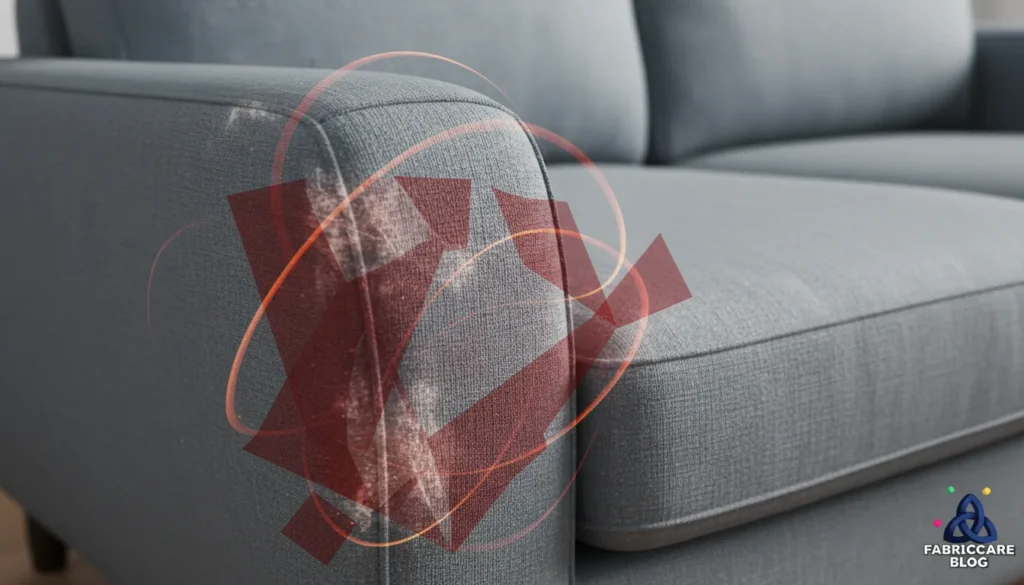
8. Sunlight and Heat Exposure on Upholstered Furniture
Sunlight and heat exposure are often overlooked factors in upholstery deterioration, yet they play a major role in fabric aging. Many upholstery fabric care for sofas and chairs issues arise simply because furniture is placed near windows or heat sources without considering long-term exposure. Unlike occasional spills or stains, sunlight damage accumulates silently and continuously.
Ultraviolet rays are particularly harmful to upholstery fabrics. Prolonged exposure causes fibers to weaken and lose elasticity, making them more prone to tearing and abrasion. Colors fade unevenly as UV rays break down pigments, leading to noticeable discoloration over time. Areas exposed directly to sunlight deteriorate faster than shaded sections, creating patchy appearance differences that are difficult to correct.
Heat exposure compounds this problem. Upholstered furniture placed near radiators, fireplaces, or heating vents experiences constant temperature fluctuations. Heat dries out fibers, reducing flexibility and increasing brittleness. Over time, this causes cracking, stiffness, and a rough surface texture. These effects are common yet underestimated upholstery fabric care for sofas and chairs mistakes.
Sunlight and heat also affect the materials beneath the fabric. Cushion fillings and padding degrade faster under constant warmth, losing support and shape. As padding deteriorates, fabric stretches unevenly, accelerating visible wear. This internal damage often goes unnoticed until the furniture feels uncomfortable or looks misshapen.
Preventive measures are simple but effective. Using curtains or blinds to filter sunlight, rotating furniture periodically, and maintaining distance from heat sources significantly reduce exposure. UV-protective window treatments can further limit damage without sacrificing natural light.
By managing sunlight and heat exposure, households can protect upholstery fabrics from slow but inevitable deterioration. Awareness of these environmental factors is essential for effective upholstery fabric care for sofas and chairs and long-lasting furniture.
9. Odor, Bacteria, and Hidden Fabric Damage
Odors in upholstered furniture are often treated as surface problems, but they usually indicate deeper issues within the fabric and padding layers. Many upholstery fabric care for sofas and chairs problems remain unresolved because people focus on masking smells rather than understanding their cause. In reality, odors are frequently a sign of moisture retention, bacterial growth, and gradual fiber degradation.
Upholstery fabrics absorb oils from skin, food particles, and airborne contaminants during daily use. These substances settle into the weave and migrate into the padding beneath. When combined with moisture—from spills, humidity, or improper cleaning—these materials create an environment where bacteria thrive. Bacterial activity produces odors that cannot be removed with surface cleaning alone, making them persistent and difficult to eliminate.
Another hidden issue is residue buildup. Cleaning products, fabric sprays, and deodorizers often leave residues that trap dirt and moisture. Over time, this residue layer interferes with airflow and slows drying, worsening odor problems. This is a common but overlooked upholstery fabric care for sofas and chairs mistake that contributes to long-term fabric damage rather than improvement.
Odor-related damage also affects fabric integrity. Bacterial growth weakens fibers and padding, causing fabrics to lose strength and elasticity. As fibers degrade, they become more prone to tearing, thinning, and surface wear. These changes may not be visible immediately, but they reduce the overall lifespan of upholstered furniture.
Preventing odor and bacterial damage requires addressing the root causes. Limiting moisture exposure, ensuring proper drying after cleaning, and maintaining good ventilation around furniture are essential steps. Regular gentle vacuuming removes particles that feed bacterial growth, while avoiding heavy fragrance products prevents residue buildup.
By recognizing odors as warning signs rather than cosmetic issues, households can correct harmful habits and protect upholstery fabrics. Proper management of odor and bacteria is a crucial part of effective upholstery fabric care for sofas and chairs.
10. Cushion Rotation and Fabric Longevity
Cushion rotation is a simple practice that has a significant impact on how long upholstery fabrics maintain their appearance and strength. Many upholstery fabric care for sofas and chairs issues develop because cushions are used in the same position every day, causing uneven pressure and accelerated wear in specific areas. Over time, this imbalance leads to visible fabric thinning, sagging, and loss of support.
When cushions remain in a fixed position, body weight repeatedly compresses the same sections of fabric and padding. This constant pressure weakens fibers and breaks down internal cushioning materials faster than intended. High-contact zones, such as the front edge of seat cushions, deteriorate first because they absorb the most stress during sitting and standing movements. Rotating cushions redistributes this pressure, allowing fibers and padding to recover more evenly.
Fabric wear is also affected by friction patterns. Sitting in the same spot creates repeated rubbing in identical areas, which increases abrasion and surface fiber breakdown. By rotating cushions regularly, friction is spread across different sections of the fabric, slowing visible wear and preserving texture. This practice is a practical yet often overlooked part of upholstery fabric care for sofas and chairs.
Rotation does not apply only to flipping cushions. Switching their left and right positions also matters, especially on sofas where seating habits are predictable. This small adjustment helps balance sunlight exposure, heat exposure, and daily use patterns. Cushions closer to windows or heaters often degrade faster, making repositioning essential for consistent aging.
Establishing a cushion rotation routine requires minimal effort but delivers long-term benefits. Monthly or bi-monthly rotation is usually sufficient for most households. Combined with gentle cleaning and proper environmental control, cushion rotation significantly extends fabric life and maintains furniture comfort.
11. Early Warning Signs of Upholstery Fabric Damage
Early warning signs of upholstery fabric damage are often subtle, which is why many upholstery fabric care for sofas and chairs problems go unnoticed until the damage becomes difficult or impossible to reverse. Learning to recognize these early indicators allows corrective action to be taken before fabric integrity is permanently compromised.
One of the first signs is a change in texture. Upholstery fabric that once felt smooth or resilient may begin to feel rough, stiff, or uneven. This usually indicates fiber fatigue caused by friction, residue buildup, or repeated pressure. Because the fabric still appears intact, these tactile changes are frequently ignored, allowing deterioration to progress.
Color changes are another early indicator. Slight fading, dullness, or uneven coloration often signal exposure to sunlight, harsh cleaning products, or moisture imbalance. These changes tend to appear gradually and are most noticeable in high-use areas such as seat cushions and armrests. Uneven color loss is a common but overlooked upholstery fabric care for sofas and chairs warning sign.
Loss of shape is also significant. Upholstered surfaces may start to sag, wrinkle, or appear loose in certain areas. This usually results from weakened fibers or degraded padding beneath the fabric. When the fabric no longer sits tautly over the furniture frame, it indicates structural stress that will worsen if not addressed.
Odors can serve as early warnings as well. Persistent smells often point to trapped moisture, bacterial growth, or residue accumulation beneath the surface. These issues affect both hygiene and fabric strength, even if the upholstery looks clean.
By paying attention to these early signs, care routines can be adjusted promptly. Gentle cleaning methods, moisture control, and reduced friction help slow further damage. Recognizing warning signs early is essential for effective upholstery fabric care for sofas and chairs and long-term furniture preservation.
12. How to Protect Upholstery Fabrics in Daily Use
Protecting upholstery fabrics in daily use is less about intensive cleaning and more about consistent preventive habits. Many upholstery fabric care for sofas and chairs issues develop because daily routines overlook small actions that, over time, make a significant difference in fabric longevity. By reducing stress on upholstery, furniture maintains both comfort and appearance for much longer.
The first protective measure is controlling friction and pressure. Encouraging even use of seating areas, rotating cushions regularly, and avoiding sitting on the same spot every day help distribute wear more evenly. Using armrests properly and discouraging standing or kneeling on upholstered furniture also reduces unnecessary stress on fabric fibers.
Surface maintenance plays a key role as well. Gentle, regular vacuuming removes dust and particles that act as abrasives during daily contact. Using appropriate upholstery attachments prevents fiber pulling and surface damage. This simple habit significantly reduces long-term wear without introducing moisture or chemicals.
Managing environmental exposure is another important factor. Positioning furniture away from direct sunlight and heat sources minimizes fading and fiber drying. When relocation is not possible, using curtains, blinds, or UV-filtering window treatments offers effective protection. Maintaining balanced indoor humidity also prevents fibers from becoming brittle or overly damp.
Protective accessories can further extend fabric life. Washable sofa covers, armrest protectors, and throw blankets reduce direct contact with upholstery, especially in high-use areas. These accessories absorb daily wear and can be cleaned more easily than the furniture itself.
Finally, prompt and gentle response to spills prevents long-term damage. Blotting immediately with minimal pressure and avoiding aggressive scrubbing keeps liquids from penetrating deeply into the fabric layers.
By integrating these practices into daily routines, households can significantly reduce upholstery fabric care for sofas and chairs problems. Thoughtful daily use transforms upholstery from a high-maintenance concern into a durable, long-lasting part of the home.